The Economy of Malta: Key Figures, Growth Sectors and Challenges
With average growth of more than 5% a year between 2023 and 2025, Malta was the most dynamic economy in the eurozone over the period. The smallest state in the European Union lives almost entirely on services: tourism, online gaming, finance, its shipping register, IT and English language teaching.
Backed by dated official figures, this guide looks at its key sectors, its tax system, its limits and what it all means if you are coming to visit, study or work.
Exceptional growth in the eurozone
According to revised Eurostat data (consulted on 7 October 2026), Malta’s real GDP grew by 7.1% in 2023, 5.3% in 2024 and 4.7% in 2025, while the eurozone managed only 0.4%, 1.2% and 1.2%. Over those three years combined, no other eurozone country did better. In the second quarter of 2026, Maltese GDP was still up 4.5% year on year.
In its Spring 2026 forecast (21 May 2026), the European Commission expects +3.7% in 2026 and +3.6% in 2027, the fastest pace in the EU27, compared with around 1.1% for the EU in 2026. The Central Bank of Malta (projections as of 19 August 2026) forecasts +3.8% in 2026 and +3.6% in 2027, driven mainly by household consumption. Both started from a first estimate of 4.0% for 2025, since revised upwards.
This momentum is largely explained by demographics: the population and employment have grown very fast. Per head, growth is much more modest, at about +2.4% per capita in 2025 (Eurostat).
Key figures for the Maltese economy
Main indicators available on 7 October 2026:
| Indicator | Value | Period | Source |
|---|---|---|---|
| Nominal GDP | about €24.7 billion | 2025 | Eurostat |
| GDP per capita in purchasing power standards (PPS) | 110 (EU = 100), compared with 98 for France | 2025 | Eurostat |
| Real GDP growth | +4.7% (eurozone: +1.2%) | 2025 | Eurostat (revised data) |
| Forecast growth | +3.7% (Commission); +3.8% (Central Bank) | 2026 | European Commission (May 2026), Central Bank of Malta (August 2026) |
| Unemployment rate | 3.4% (seasonally adjusted) | August 2026 | Eurostat |
| Inflation (HICP) | 2.0% year on year (eurozone: 3.2%) | August 2026 | Eurostat |
| Public debt | 46.4% of GDP (about €11.4 billion) | end of 2025 | NSO, Eurostat (April 2026 notification) |
| Public deficit | 2.2% of GDP | 2025 | NSO, Eurostat (April 2026 notification) |
| Sovereign credit rating | A+ (Fitch, August 2026), A2 (Moody’s, April 2026), A- (S&P, June 2026), stable outlooks | 2026 | Rating agencies |
GDP per capita in PPS, which corrects for price differences between countries, puts Malta above the European average and ahead of France. On the public finances side, the deficit was still 4.4% of GDP in 2023, which led to an excessive deficit procedure being opened against Malta in 2024; after it fell below the 3% threshold in 2025, the Commission recommended closing the procedure in June 2026. With debt below 50% of GDP, Malta’s borrowing remains low.
The driving sectors of the economy
Services account for about 88% of Maltese gross value added in 2025, manufacturing about 6% and agriculture less than 1% (Eurostat, national accounts). Here are the pillars that keep the economy running.
Tourism, the first pillar
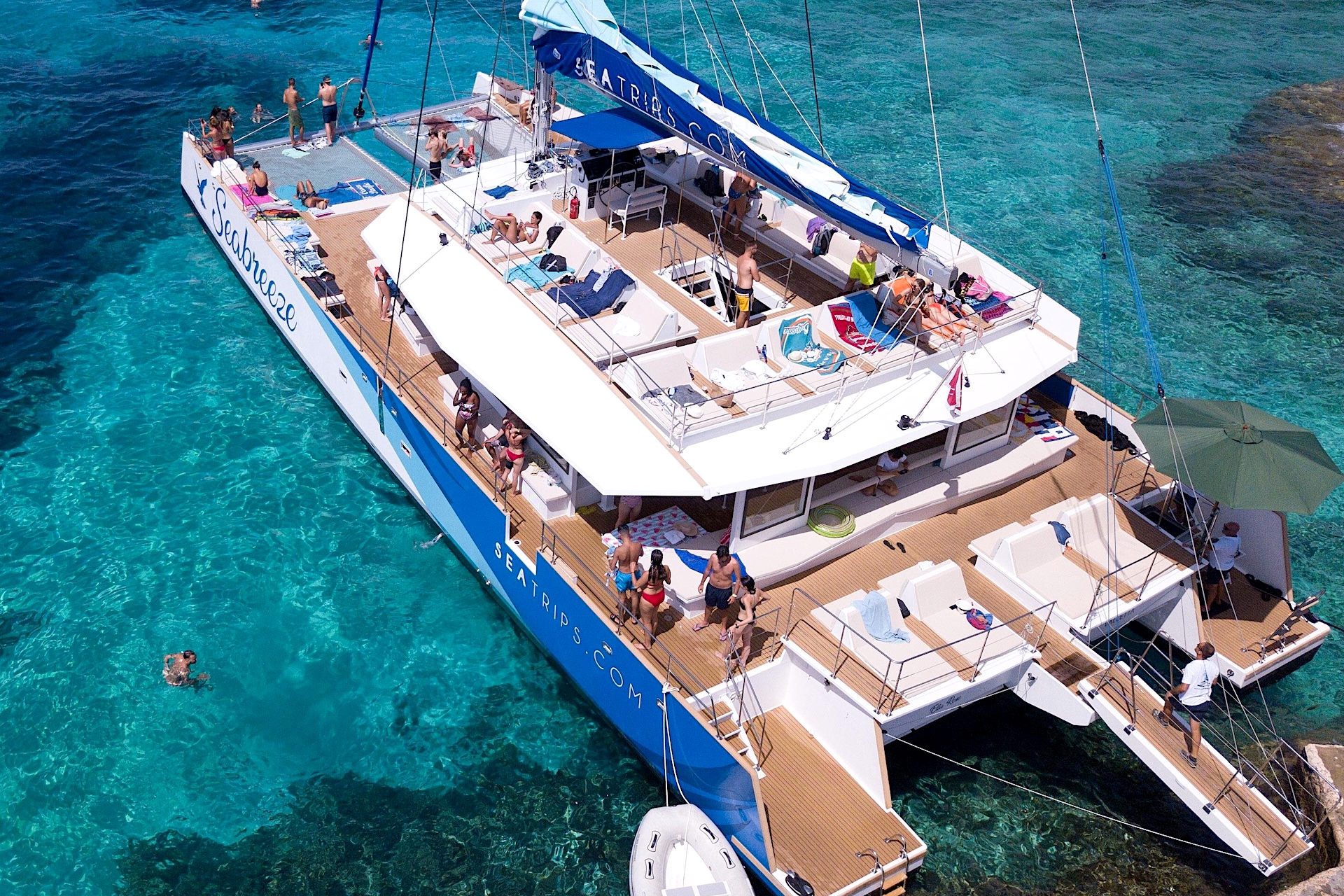
The islands welcomed a record 4,022,310 tourists in 2025. According to the NSO, their spending reached about €3.9 billion in 2025, up 18.6% year on year, for some 25.4 million nights. Tourism feeds hotels, restaurants, transport and retail: this broad group accounts for about 18% of value added in 2025 (Eurostat). For detailed trends, see our page on tourism in Malta.
English language teaching
Thanks to the official status of English, Malta has become one of Europe’s leading destinations for language stays: more than 76,000 students take English courses there every year (2025), at 31 licensed schools. This niche keeps schools, host families and residences busy all year round. See our pages on the languages spoken in Malta, English courses in Malta and the list of English schools.
iGaming and the Malta Gaming Authority
A pioneer of online gaming regulation in the EU from the early 2000s, Malta is home to a large share of Europe’s online sports betting, casino and poker operators, licensed by the Malta Gaming Authority (MGA). According to its 2025 annual report, the sector generated about €1.42 billion in value added, about 6.3% of the economy, and employed 15,039 people at licensed operators at the end of 2025. The number of licensed companies (302 at the end of 2025) is levelling off, with a shift towards B2B.
Financial services
Financial and insurance activities accounted for about 8.4% of value added in 2025 (Eurostat). The sector is supervised by the Malta Financial Services Authority (MFSA). It was weakened when Malta was placed on the FATF grey list between June 2021 and June 2022, which led to a marked tightening of anti-money laundering controls.
The shipping register and the Malta Freeport
The Maltese flag is the largest shipping register in Europe and the sixth largest in the world, with more than 10,000 registered vessels at the end of the first quarter of 2025 according to the Transport Ministry, and it dominates the global superyacht market. In the south of the island, the Malta Freeport at Birżebbuġa handled about 2.87 million TEU (twenty-foot equivalent units) in 2025 (Transport Malta), mainly transhipment between shipping lines.
Aviation: aircraft registration and maintenance
The Maltese aircraft register (prefix 9H) has grown strongly: 863 aircraft were registered on 1 January 2024, according to a reply by the Transport Minister in Parliament. European airlines register their fleets there (Malta Air, a Ryanair Group subsidiary, since 2019), and heavy aircraft maintenance facilities are based around Malta Airport.
Industry: electronics and pharmaceuticals
Manufacturing remains modest but specialised. STMicroelectronics, in Kirkop since 1981, runs one of its main semiconductor assembly and test sites there; a new production building worth about €250 million, intended in particular for components for satellites and aircraft, was handed over to it in May 2026. The island also has several plants making generic medicines and medical devices, geared towards export.
EU funds
Over the 2021-2027 period, Malta receives about €838 million under cohesion policy and about €316 million in grants from the Recovery and Resilience Facility (European Commission).
Foreign labour and population growth
The engine of growth is labour migration. According to Jobsplus, cited by the Central Bank of Malta, total employment rose by about 132,100 people between 2015 and 2025, to 340,463 people in work; over the same period, the number of foreign workers rose by about 106,000 to reach 135,417 in 2025, about 40% of total employment.
The direct consequence: the population has soared, from 438,805 inhabitants in 2014 to 574,250 in 2024, including 168,938 foreign residents in 2024. All the details are on our page on the population of Malta (and, for British readers, our page on the British in Malta).
Faced with pressure on infrastructure, the government has tightened its policy: a “Skills Pass” for certain tourism jobs since 2024, then a new labour migration policy since August 2025 (labour market test, higher fees for first permits).
The constraints on Malta’s economy
Insularity and energy
With no raw materials and little fresh water, Malta imports most of what it consumes, from fuel to much of its food; tap water comes largely from desalination (see our page on drinking water in Malta). For electricity, the island combines gas-fired power stations with a 200 MW cable linking it to Sicily since 2015. A second 225 MW interconnector, costing about €300 million, between Magħtab and Ragusa is under construction: in August 2026, the main electrical equipment was in place on both sides, with the subsea cable still to be laid. State-subsidised energy prices partly explain why inflation is lower than in the eurozone.
Housing and congestion
The influx of people has sent property prices soaring: Eurostat’s house price index rose by about 74% between 2015 and 2025, including +6.0% in 2025 alone. With one of the highest car ownership rates in the EU and a saturated road network, traffic jams have become an economic cost in their own right (our guide to getting around Malta covers the alternatives).
Dependence on foreign workers
Growth driven by the number of workers rather than by productivity raises questions about its sustainability; both the Commission and the Central Bank point to labour shortages.
Reputation and the end of “golden passports”
On 29 April 2025, the Court of Justice of the European Union ruled in Commission v Malta (C-181/23) that Malta’s citizenship-by-investment programme was contrary to EU law, as European citizenship cannot be the result of a “commercial transaction”. Malta amended its citizenship law in July 2025: naturalisation in return for a predetermined investment was abolished in favour of a procedure based on exceptional services to the country. Investor residence programmes, which do not confer citizenship, are not affected by the ruling.
Corporate tax: 35% on paper
The headline corporate tax rate is 35%, one of the highest in the EU. But Malta applies a full imputation system with refunds: when dividends are paid, the shareholder can recover part of the tax paid by the company (up to 6/7 for trading profits), bringing the effective rate down to between 0 and 10% depending on the case, often around 5%.
The 15% global minimum tax (OECD Pillar Two) changes the picture for large groups with turnover of at least €750 million. Malta has transposed the EU directive but has chosen, as its Article 50 allows, to defer the main rules (IIR and UTPR) until the end of 2029, with no domestic top-up tax (QDMTT) planned for 2026, according to Deloitte’s tax highlights of January 2026. Since 2 September 2025, companies can opt for a final 15% rate with no refund (the FITWI regime), and Pillar Two-compliant refundable tax credits are under discussion with the European Commission. These rules change with every budget: get advice from a qualified tax adviser.
What it means for visitors and expats
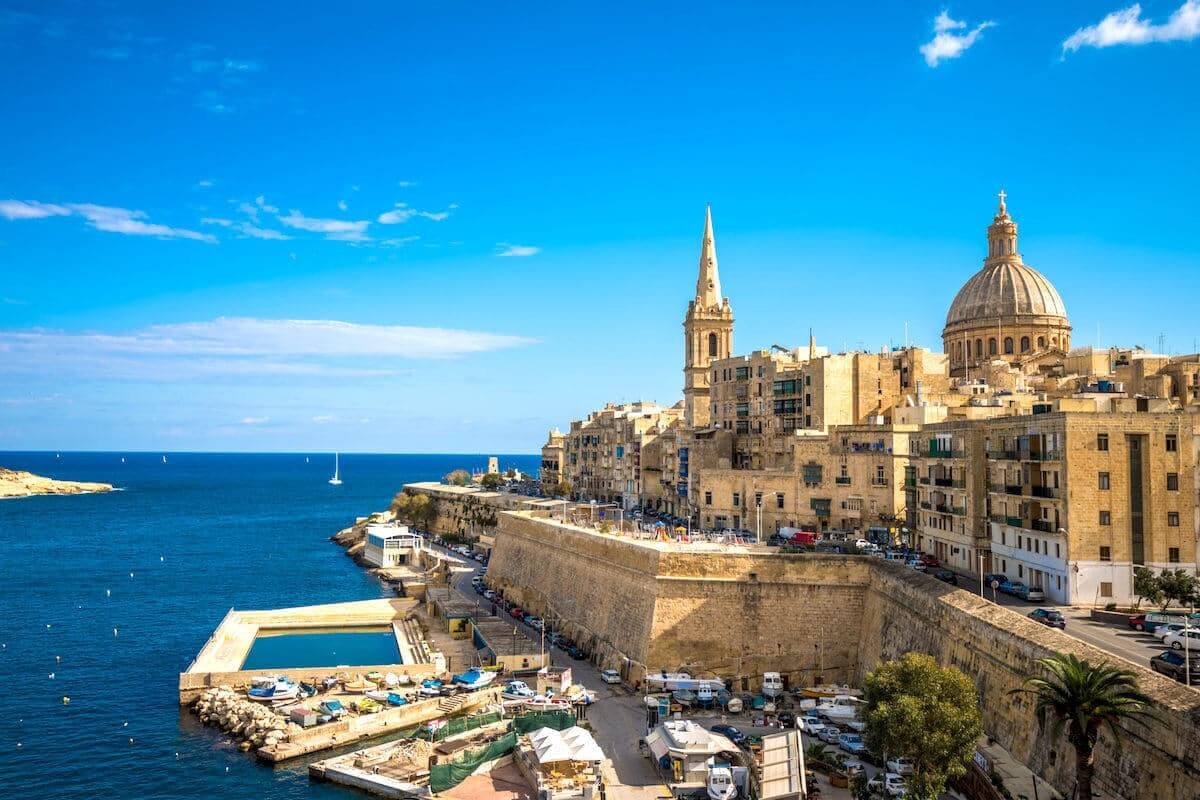
For visitors, an overheating economy shows in prices: accommodation and eating out have gone up noticeably in the tourist areas (Sliema, St Julian’s, Valletta), especially in summer. Inflation has nonetheless remained moderate in 2026, at around 2%.
For expats, the job market is very open, with unemployment around 3% and strong demand in iGaming, finance, IT, healthcare and hospitality, particularly for multilingual profiles. On the other hand, salaries are on average lower than in the UK or Ireland, while rents are high. Weigh the salary on offer against housing costs: our guides to living in Malta and working in Malta cover salaries, the cost of living and the formalities.
Frequently asked questions about Malta’s economy
Is Malta’s economy the most dynamic in the eurozone?
Yes, over the recent period: according to Eurostat, Malta’s cumulative growth between 2023 and 2025 (7.1%, 5.3% and then 4.7%) is the strongest in the eurozone, and the European Commission still forecasts +3.7% for 2026, the fastest pace in the EU. Per capita, it is more moderate.
What are the main sectors of Malta’s economy?
Nearly 90% of the economy is based on services: tourism, online gaming (iGaming), financial services, IT and business services, the shipping and aircraft registers, and English language teaching. Manufacturing, centred on electronics and pharmaceuticals, accounts for about 6% of value added and agriculture less than 1%.
Is Malta a tax haven?
Malta is not officially considered a tax haven: it applies EU tax rules and does not appear on any list of non-cooperative jurisdictions. Its headline corporate tax rate is 35%, but the shareholder refund system can bring effective taxation down to around 5%. For very large groups, the 15% global minimum tax has been transposed, but Malta has deferred most of it until the end of 2029.
What is the unemployment rate in Malta?
It was 3.4% in August 2026 according to Eurostat (seasonally adjusted), and 3.1% on average over 2025. It is one of the lowest in the EU.
Can you still get Maltese citizenship by investing?
No. Since the Court of Justice of the European Union’s ruling of 29 April 2025 and the amendment to Malta’s citizenship law in July 2025, naturalisation in exchange for a predetermined investment no longer exists. Only exceptional services to the country can still justify it.
What currency is used in Malta?
Malta has used the euro since 1 January 2008, replacing the Maltese lira. If you are coming from the UK or anywhere outside the eurozone, you will need euros.
Small but very open, Malta’s economy has gone from a naval base model to one of the most dynamic service economies in Europe. Its challenge now: to move from growth based on an influx of workers to growth based on productivity, without adding to the pressure on housing and roads.