The 11 iconic cities in Malta to visit
Malta, an archipelago in the heart of the Mediterranean, is a treasure trove of history, magnificent beaches and vibrant culture. Although it is a small country, there is plenty to see and do, from cities packed with historic monuments to peaceful fishing villages. Whether you are looking to explore ancient fortresses, soak up the sun on the beaches or immerse yourself in the lively nightlife, these Maltese towns have something for everyone. Here are the 11 iconic cities in Malta not to be missed.
Valletta
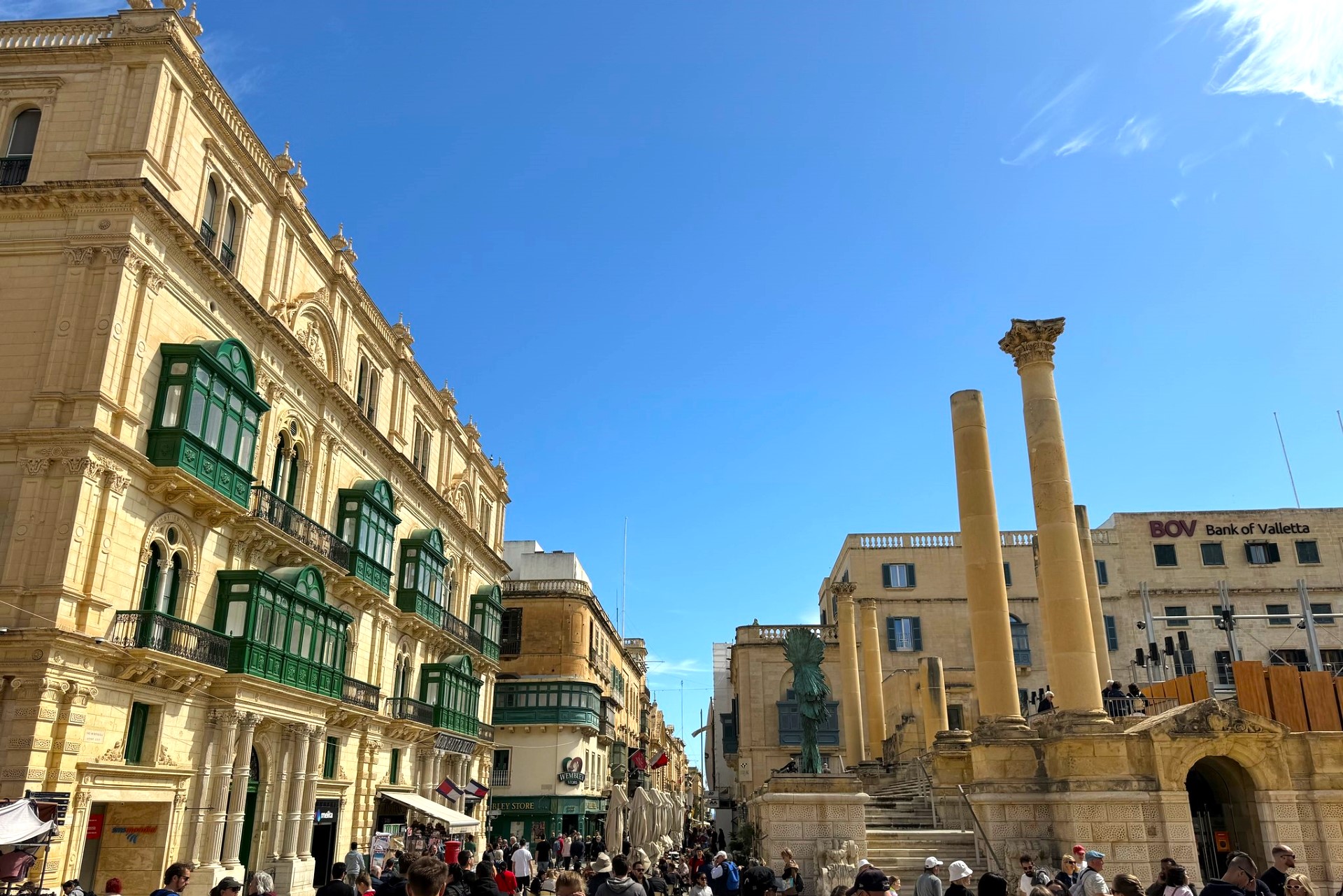
Valletta, the capital of Malta, is a historical and cultural gem founded by the Knights of St. John in the 16th century. With over 450 years of history, this city is an open-air museum. A UNESCO World Heritage Site, its narrow streets are filled with baroque palaces, churches and museums that tell the rich history of the island.
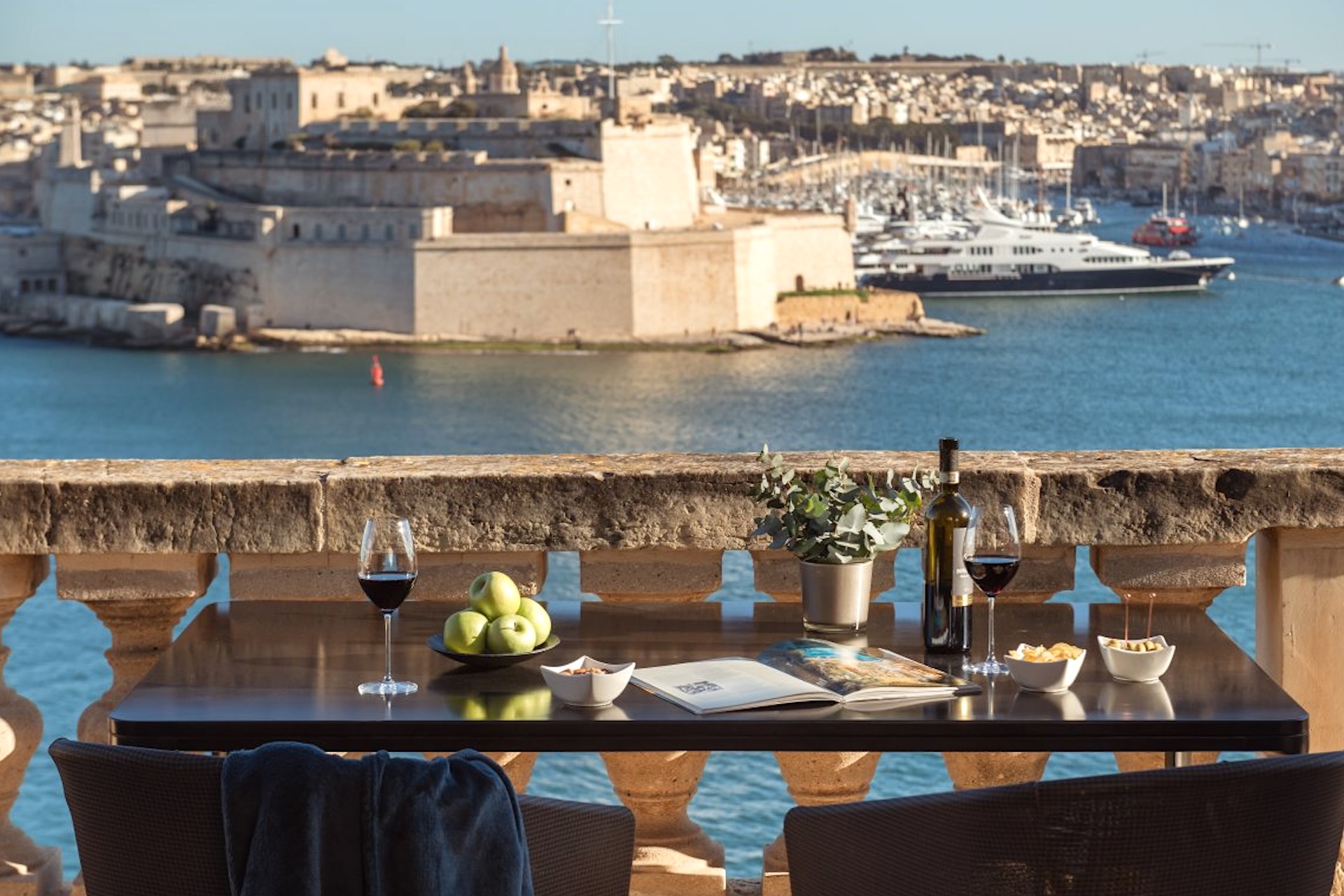
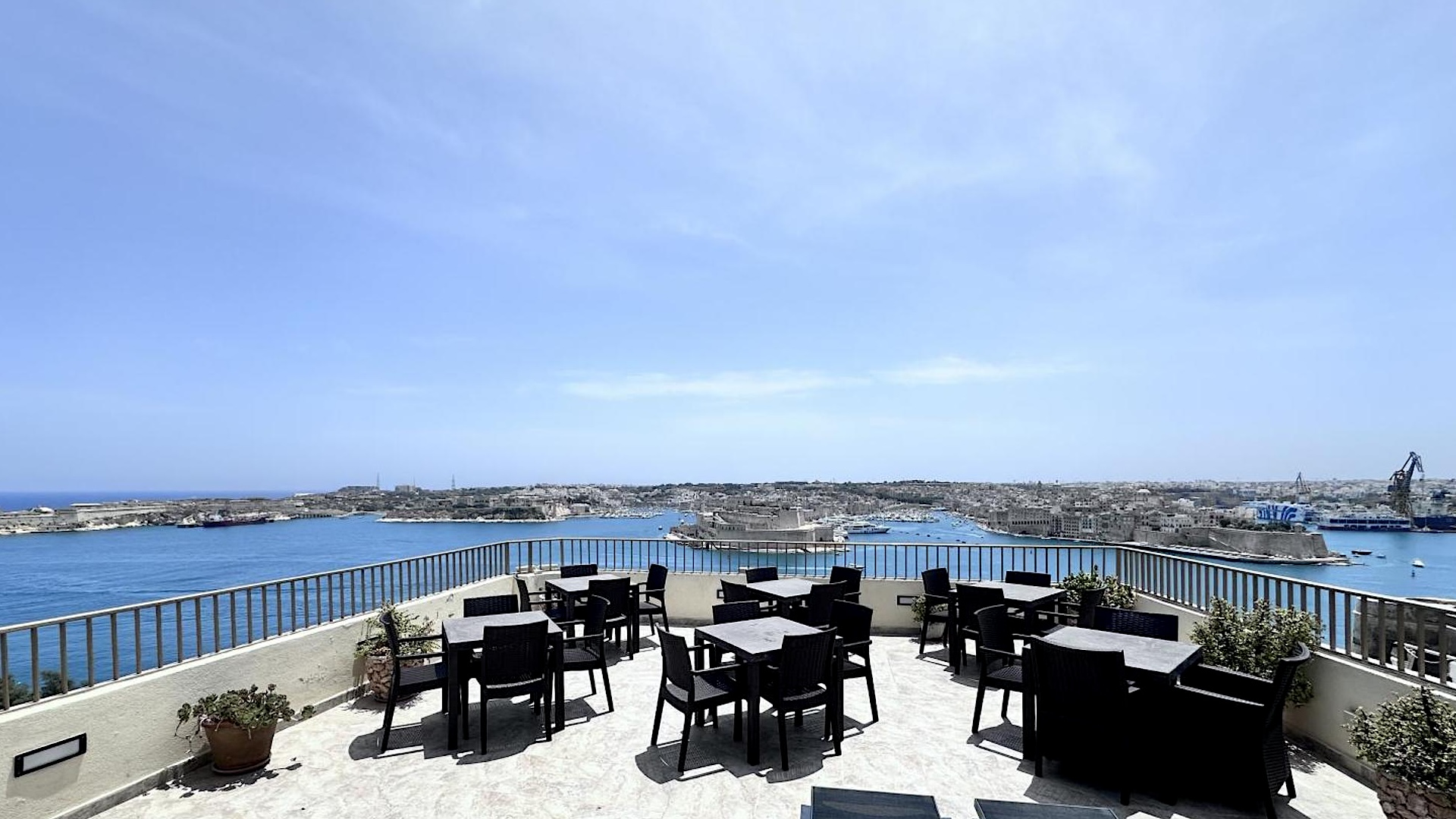
Among the main attractions of the capital are St. John's Co-Cathedral, famous for its stunning interior and Caravaggio's painting "The Beheading of Saint John the Baptist", and the Upper Barrakka Gardens, which offer spectacular views over the Grand Harbour. The Grandmaster's Palace, now the official residence of the President of Malta, reveals the opulence of its former rulers with its tapestries and weapon collections.
St. Julian's
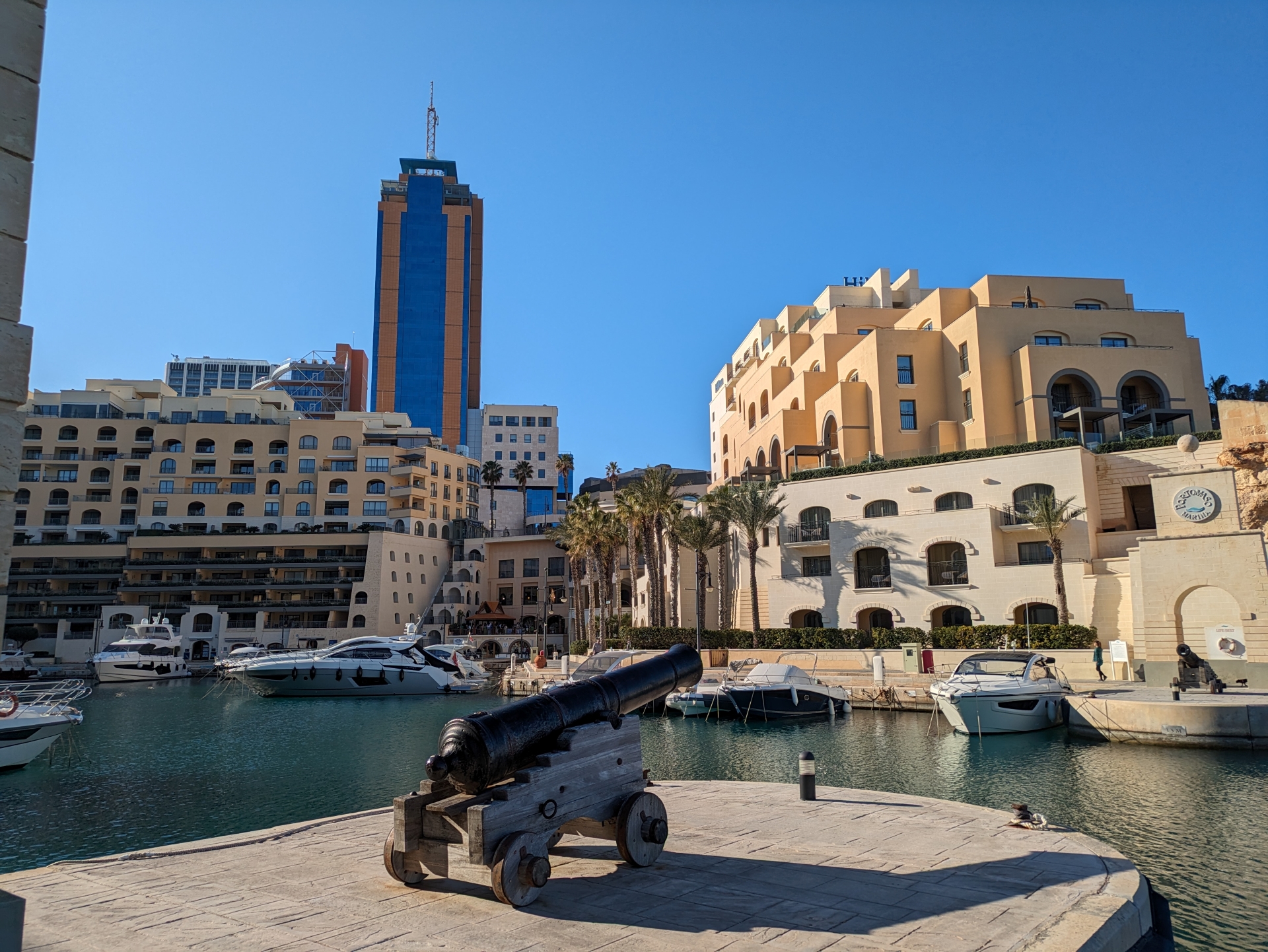
Without a doubt, St. Julian's, also known as San Ġiljan, is one of the most touristy towns in Malta. It is home to some of the leading English schools in Malta such as ESE, ACE and EF, attracting a young, multicultural population of students from all over the world. The town has a lively atmosphere and is ideal for those looking to study and work.
St. Julian's is particularly known for the Paceville district, the epicentre of Malta's nightlife. This area is packed with bars, nightclubs and casinos, drawing young people and adults seeking entertainment until dawn. Paceville is the perfect spot for anyone who loves live music, international DJs and a party atmosphere.
For those looking for daytime entertainment, St. Julian's offers shopping centres, bowling alleys, cinemas and casinos. What is more, at St. George's Bay you will find one of the few sandy beaches in Malta. This beach is always busy thanks to its proximity to the English schools and numerous hotels. In addition, a stroll along the seafront offers impressive views of the sea, and you cannot miss a visit to the famous "LOVE Monument", built so that the word "LOVE" is reflected in the waters of Spinola Bay. This spot is popular with couples, who attach love padlocks to the monument.
Mdina
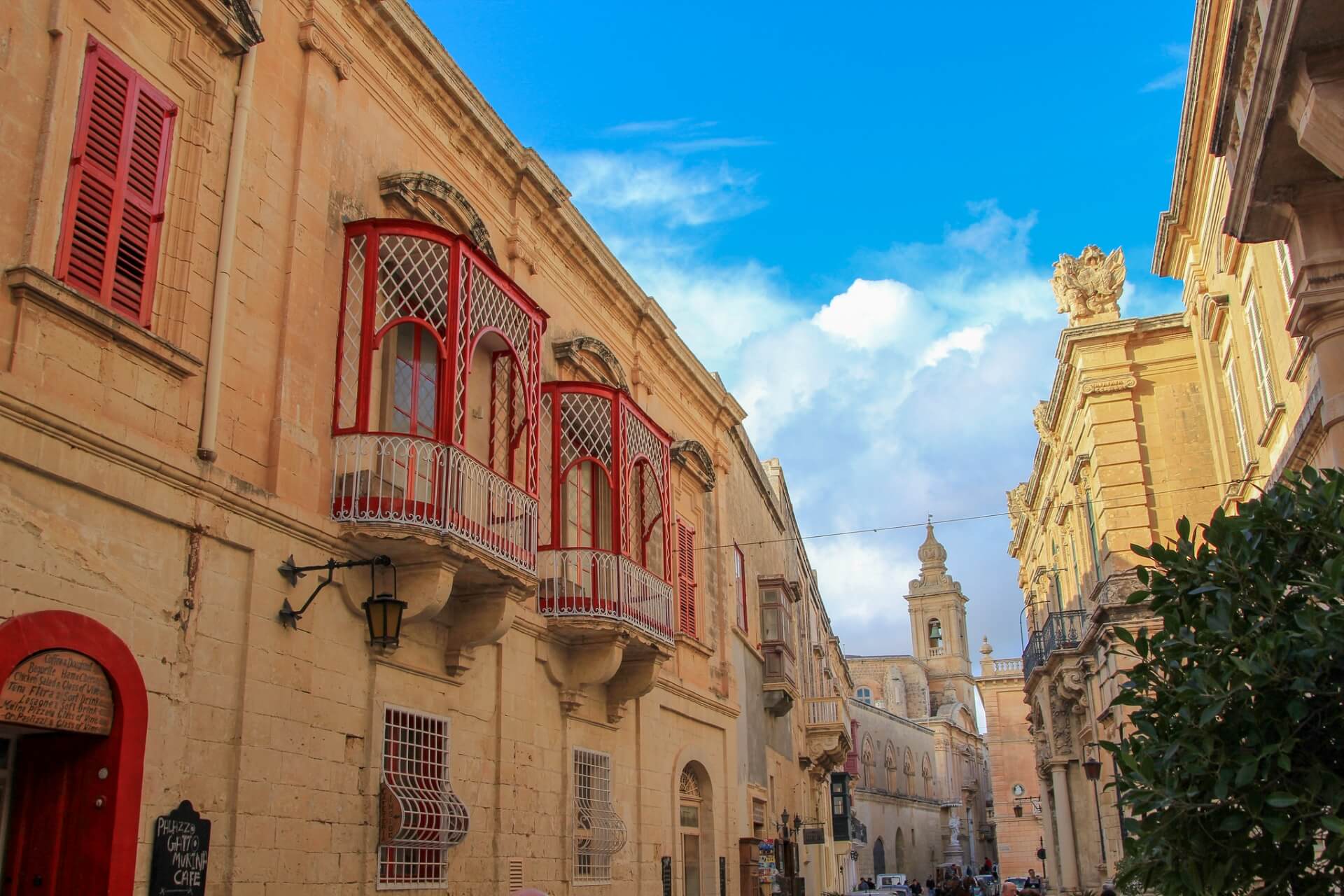
Mdina, known as the "Silent City", is the former capital of Malta and offers a journey back in time with its medieval streets and well-preserved architecture. Set atop a central hill, Mdina is one of the towns in Europe that best preserves its history. Its narrow cobbled streets recreate a fairy-tale setting. Although very touristy, Mdina is sparsely populated, with a population of around 306 inhabitants.
In Mdina, tranquillity prevails. Among its points of interest are St. Paul's Cathedral and the Vilhena Palace, as well as the Palazzo Falson (Norman House) and other medieval-style buildings. The town has also served as a backdrop for several film productions, including the famous series "Game of Thrones". A visit to Mdina would not be complete without tasting the famous Mdina cake at Fontanella Tea Garden, while enjoying the privileged views from the top of the bastions.
Rabat
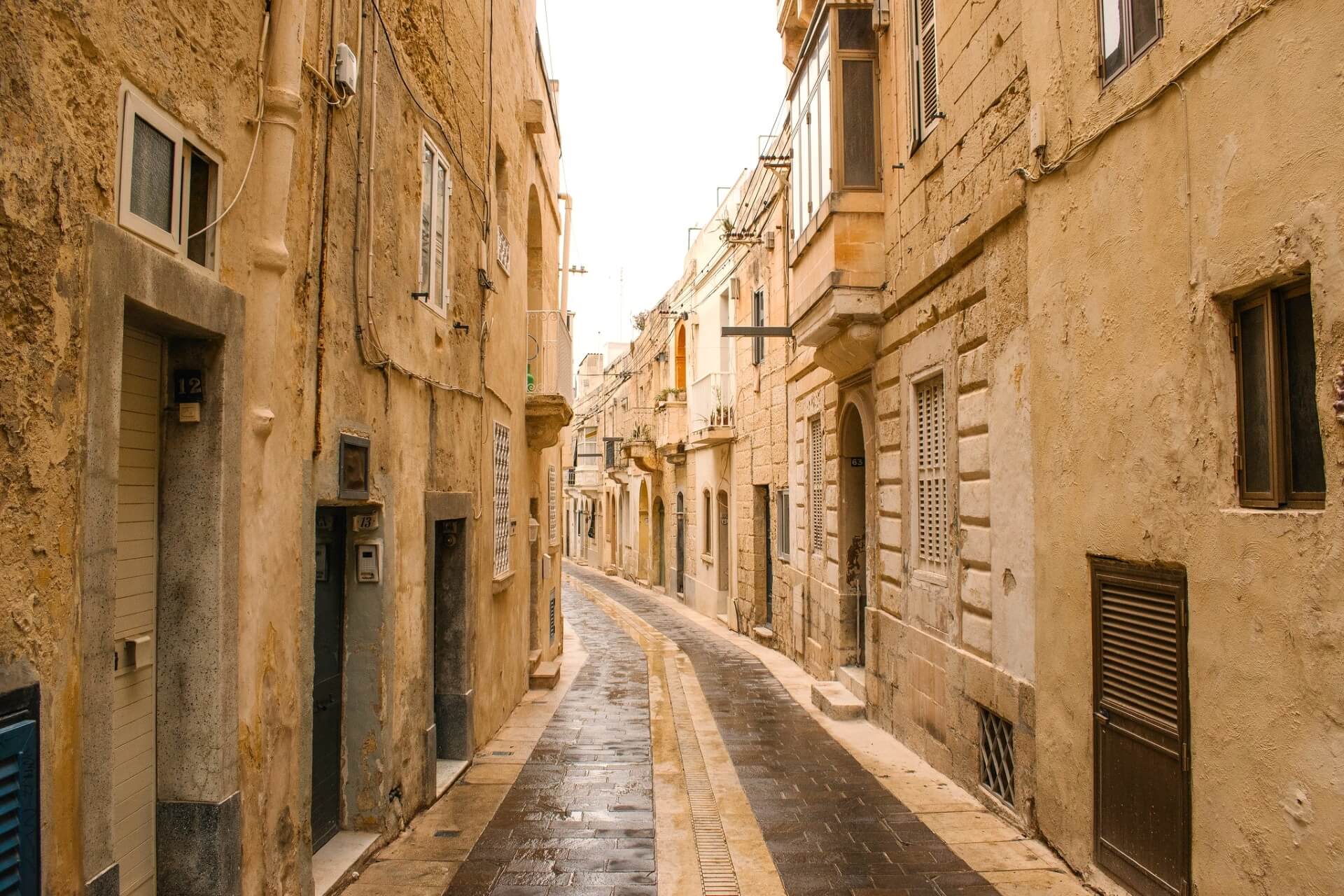
Rabat, adjacent to Mdina, is an archaeological treasure famous for the Catacombs of St. Paul and St. Agatha, built in the 3rd century AD. These catacombs were a refuge for the early Christians and offer a fascinating insight into ancient burial practices and Malta's religious history. Rabat is also home to the Domvs Romana (Museum of Roman Antiquities), where you can admire an almost perfectly preserved Roman mosaic.
Mdina and Rabat were built by the Arabs on an ancient Roman town. We recommend visiting both towns in a single day, as they are only ten minutes apart and relatively small.
Sliema
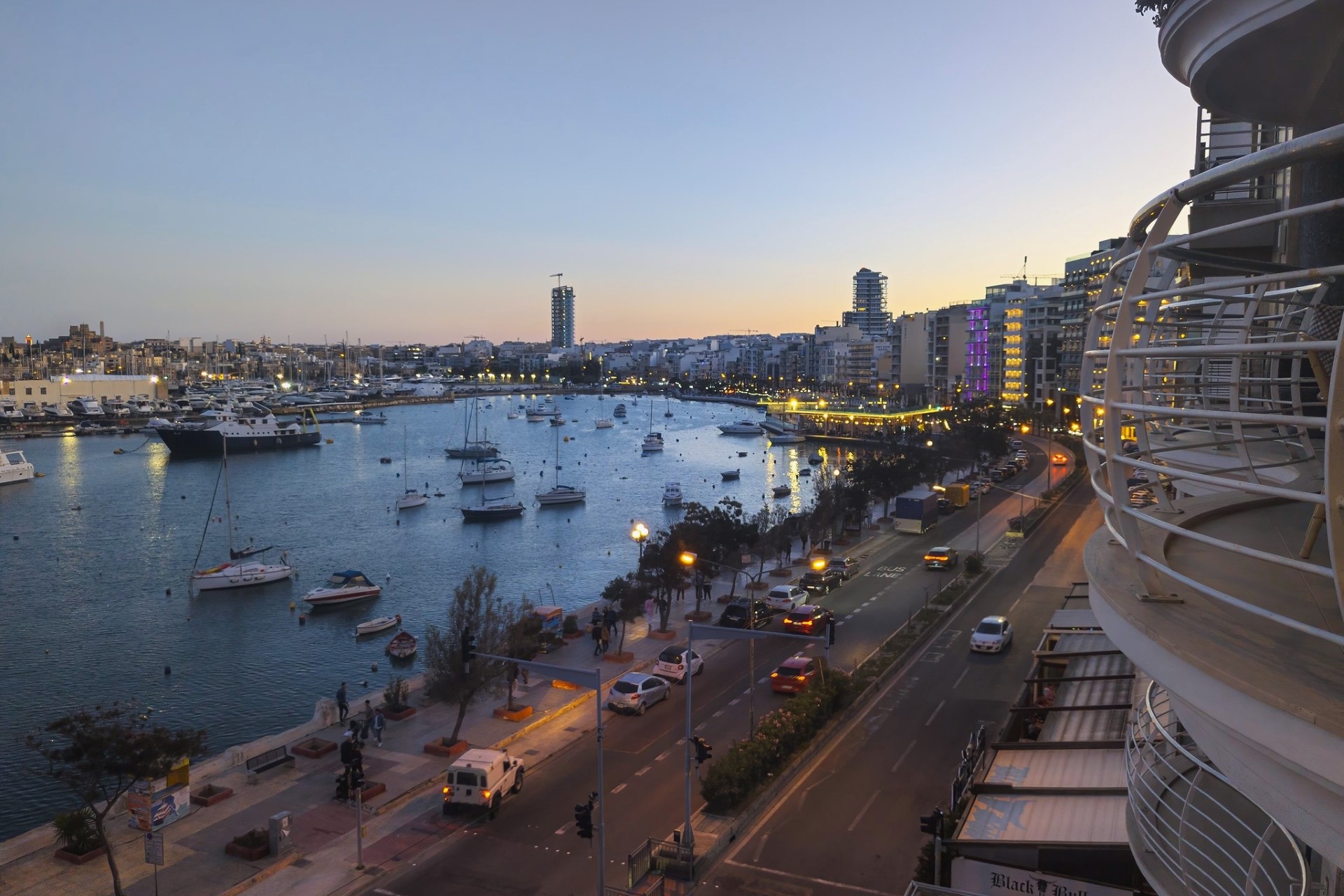
Sliema is the town most favoured by expats in Malta, known for its excellent English schools and its many activities and social gatherings. Here, rents are the highest on the island, reflecting the strong demand and the quality of life it offers. In Sliema, you will find a wide variety of restaurants and shops, making it one of Malta's main shopping areas. In addition, Sliema is also home to some of the most luxurious hotels in Malta, which makes it a popular destination for tourists and locals alike.
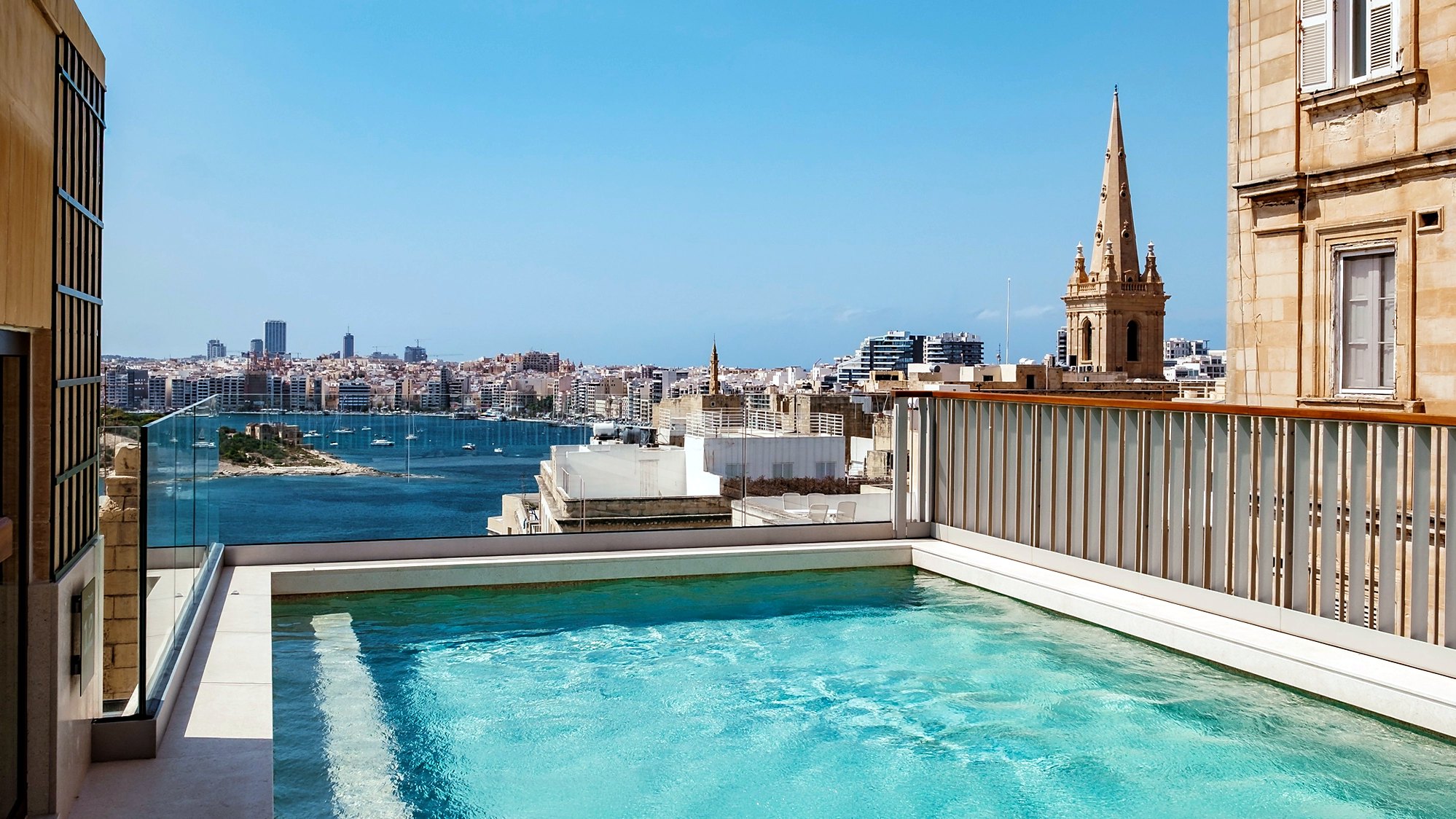
If you enjoy walking, we recommend strolling along the seafront from St. Julian's and taking in the views of the sea, the bays, the churches and the towers along the way, while Tigné Point offers unrivalled panoramas of Valletta. What is more, from Sliema's harbour you can catch a ferry that will take you directly to Valletta, providing a quick and scenic connection between these two towns.
The Three Cities (Vittoriosa, Senglea and Cospicua)
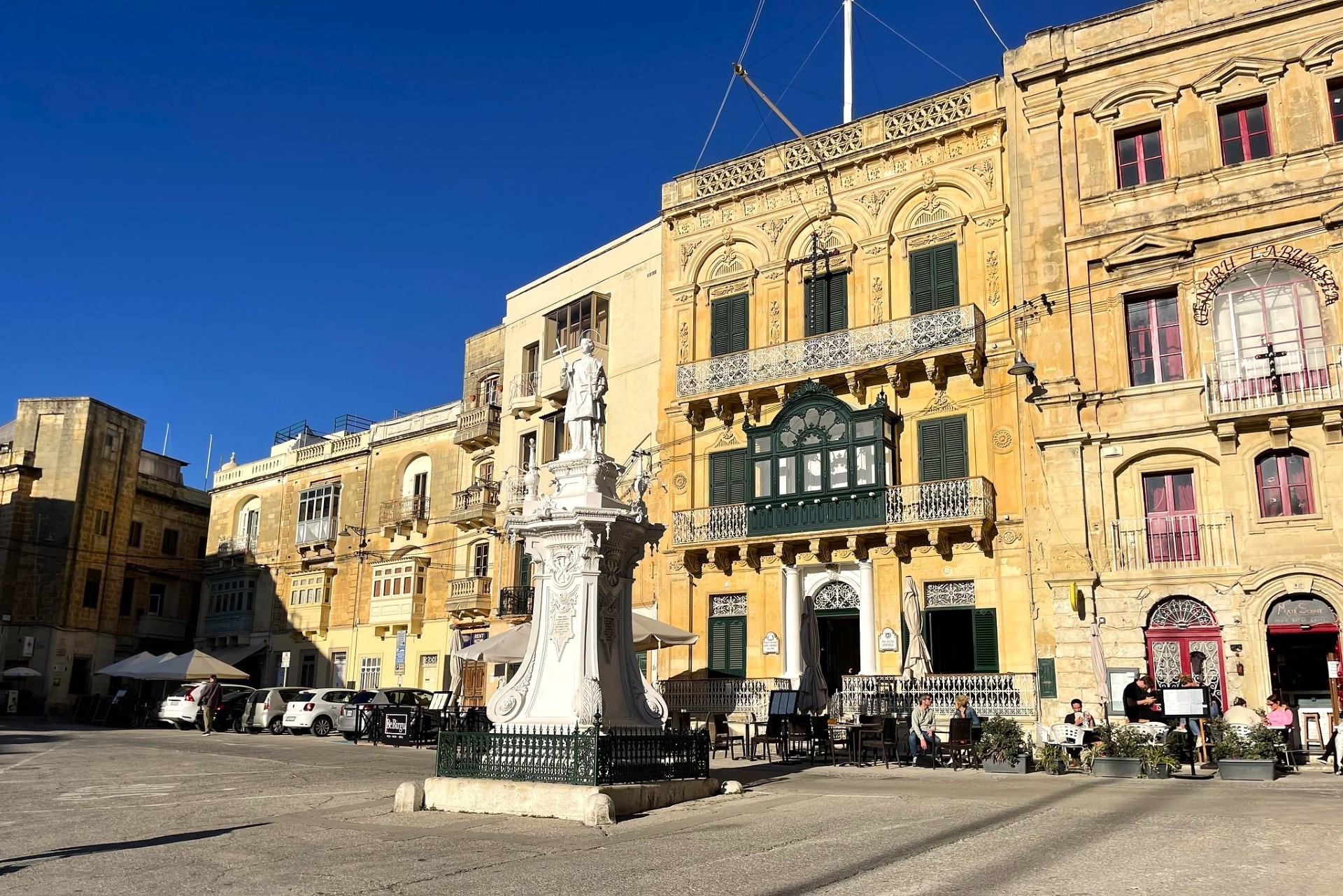
The Three Cities of Malta, made up of Vittoriosa (Birgu), Senglea (L-Isla) and Cospicua (Bormla), are a group of historic localities set within Malta's Grand Harbour. These towns, rich in heritage and tradition, offer a fascinating insight into the history of Malta, particularly during the period of the Knights of St. John. Vittoriosa, the oldest, was the first seat of the Knights of St. John in Malta and stands out for its narrow cobbled streets and medieval architecture. Here, Fort St. Angelo and the Inquisitor's Palace are must-see attractions, offering a rich military and religious history.
Senglea, also known as L-Isla, is a fortified city that offers some of the best views of the Grand Harbour. Its strategic position made it a crucial stronghold during the Great Siege of Malta. The Gardjola Gardens, located at the tip of Senglea, offer panoramic views over the Grand Harbour and Valletta. The Basilica of Our Lady of Victories is an important place of worship and pilgrimage in Senglea, highlighting its historical and religious significance.
Cospicua, known locally as Bormla, is the largest of the Three Cities and has played a significant role in Malta's naval history. Known for its docks and shipyards, Cospicua was a hub of maritime activity for centuries. The Church of the Immaculate Conception and the Sailors' Gate are examples of its rich architecture and military past. Exploring the Three Cities on foot allows visitors to discover hidden corners, historic streets and impressive buildings, making it a must-visit destination in Malta.
Marsaxlokk
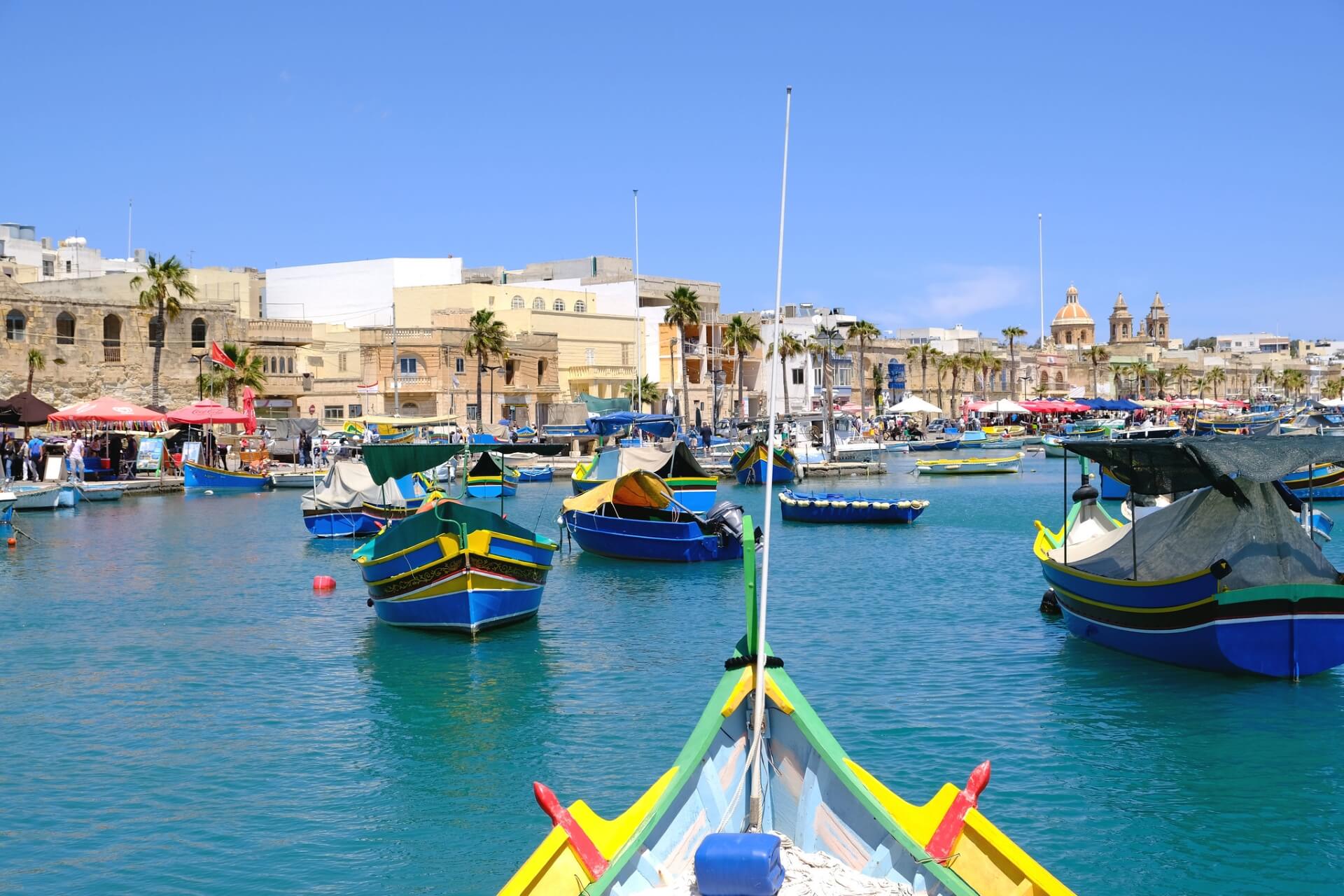
Marsaxlokk is a picturesque fishing village in the south-east of Malta, known for its Sunday market and its colourful "luzzus", traditional Maltese fishing boats decorated with the Eye of Osiris, a symbol of protection. The Marsaxlokk Sunday market is one of the most popular in Malta, where you can find a wide variety of fresh produce, particularly seafood, as well as handicrafts and local souvenirs.
In Marsaxlokk, you can enjoy fresh seafood at one of the many waterfront restaurants, which serve local dishes such as "lampuki pie" (dolphinfish pie) and grilled octopus.
A few minutes from Marsaxlokk, on the Delimara peninsula, a visit is often extended to St. Peter’s Pool, a natural pool carved into the rock, perfect for swimming and cliff jumping into turquoise water.
Mellieħa
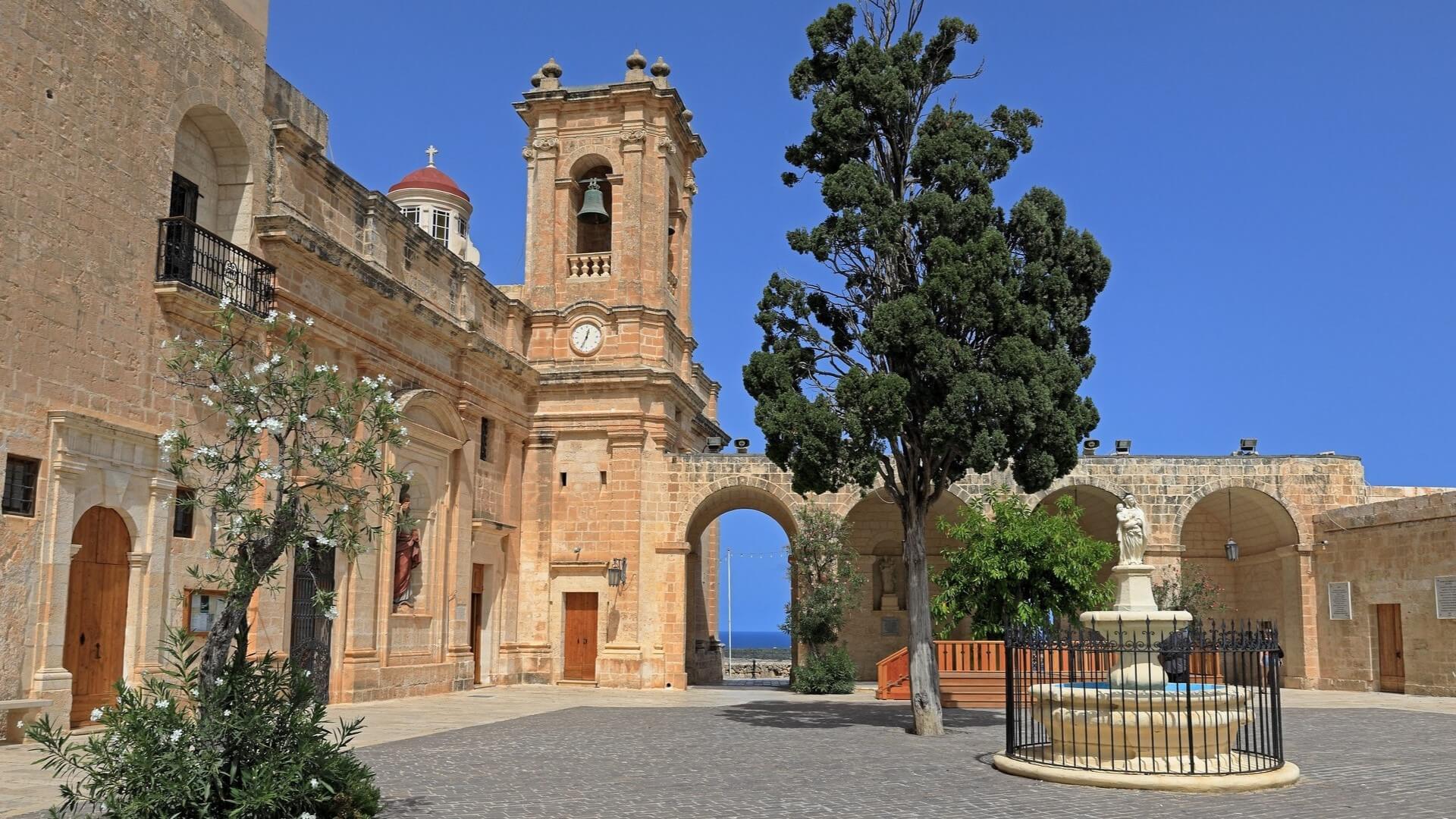
Mellieħa, in the north of Malta, is known for its stunning beaches, with Mellieħa Bay being the largest on the island. This beach is perfect for families and water-sports enthusiasts. The beach also has a range of facilities, such as umbrella and sun-lounger hire, as well as bars and restaurants where you can enjoy a meal with a sea view.
In addition, Mellieħa's parish church and the Sanctuary of Our Lady of Mellieħa are must-see sights for anyone interested in local history and culture. The combination of golden beaches and a rich cultural heritage makes Mellieħa an ideal destination for a relaxing getaway. For nature lovers, Mellieħa offers plenty of hiking opportunities. The trails cross natural landscapes and historic sites, offering routes that reveal the rural beauty of the area.
St. Paul's Bay
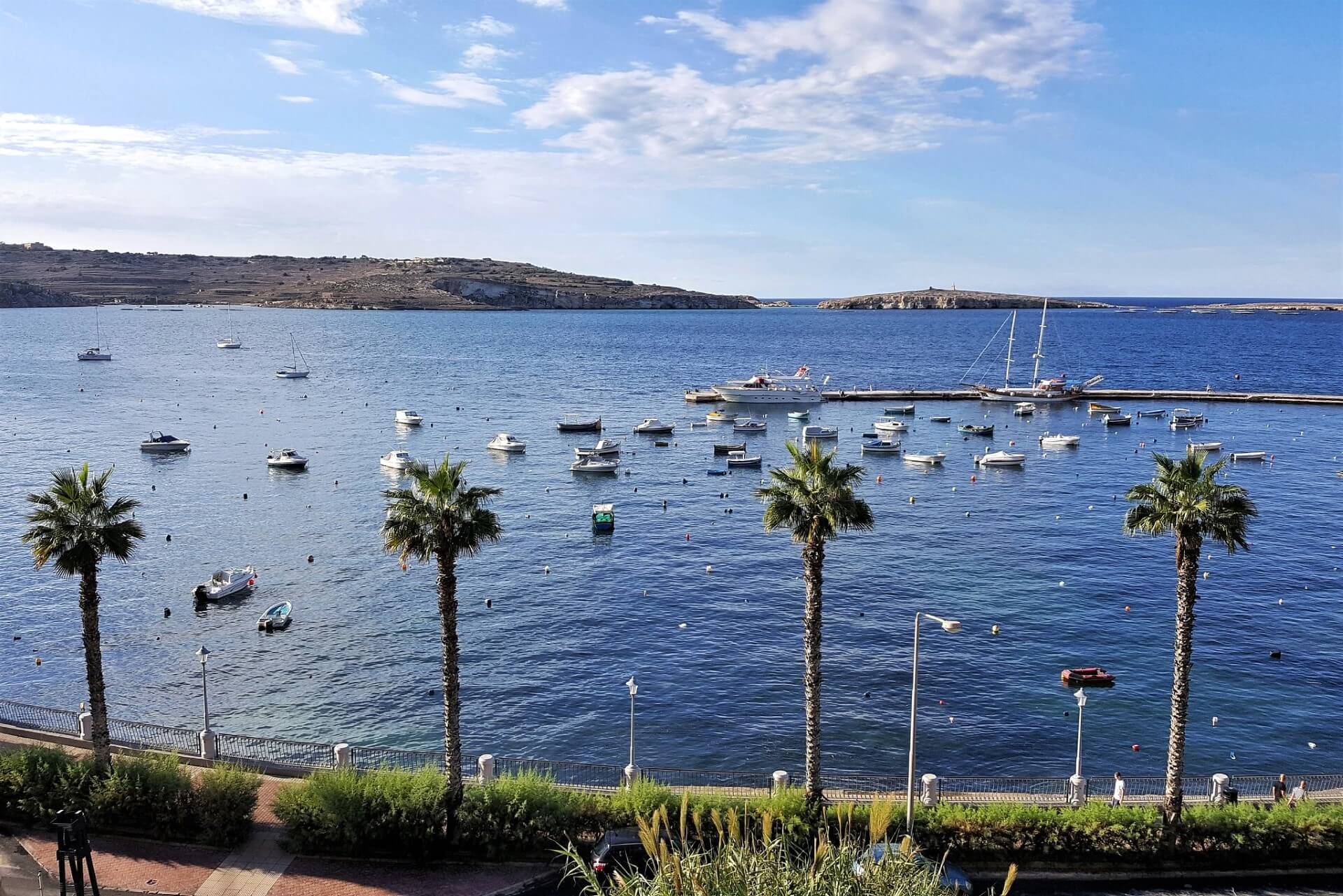
St. Paul's Bay, known locally as San Pawl il-Baħar, is one of the largest and most diverse tourist areas in Malta, located on the north-eastern coast of the island. It is the most populous town in Malta, which reflects its popularity with both locals and visitors.
Buġibba and Qawra, two important areas of St. Paul's Bay, have well-developed rocky beaches and a variety of water-sports centres. The Buġibba seafront promenade is lined with restaurants, cafés and shops, and is a perfect place for a stroll at sunset. The nightlife in Buġibba is vibrant, with a wide choice of bars, nightclubs and casinos attracting tourists and locals alike. In addition, for nature lovers, the town offers several hiking trails that let you explore the area's coastal and rural landscapes, providing a complete experience for those looking to have fun as well as those who prefer peace and quiet.
The Malta National Aquarium, located in Qawra, is one of the main family attractions. This aquarium is home to an impressive variety of local and exotic marine life, and offers educational and recreational activities for children and adults, making it an ideal place to visit with the family.
Mosta
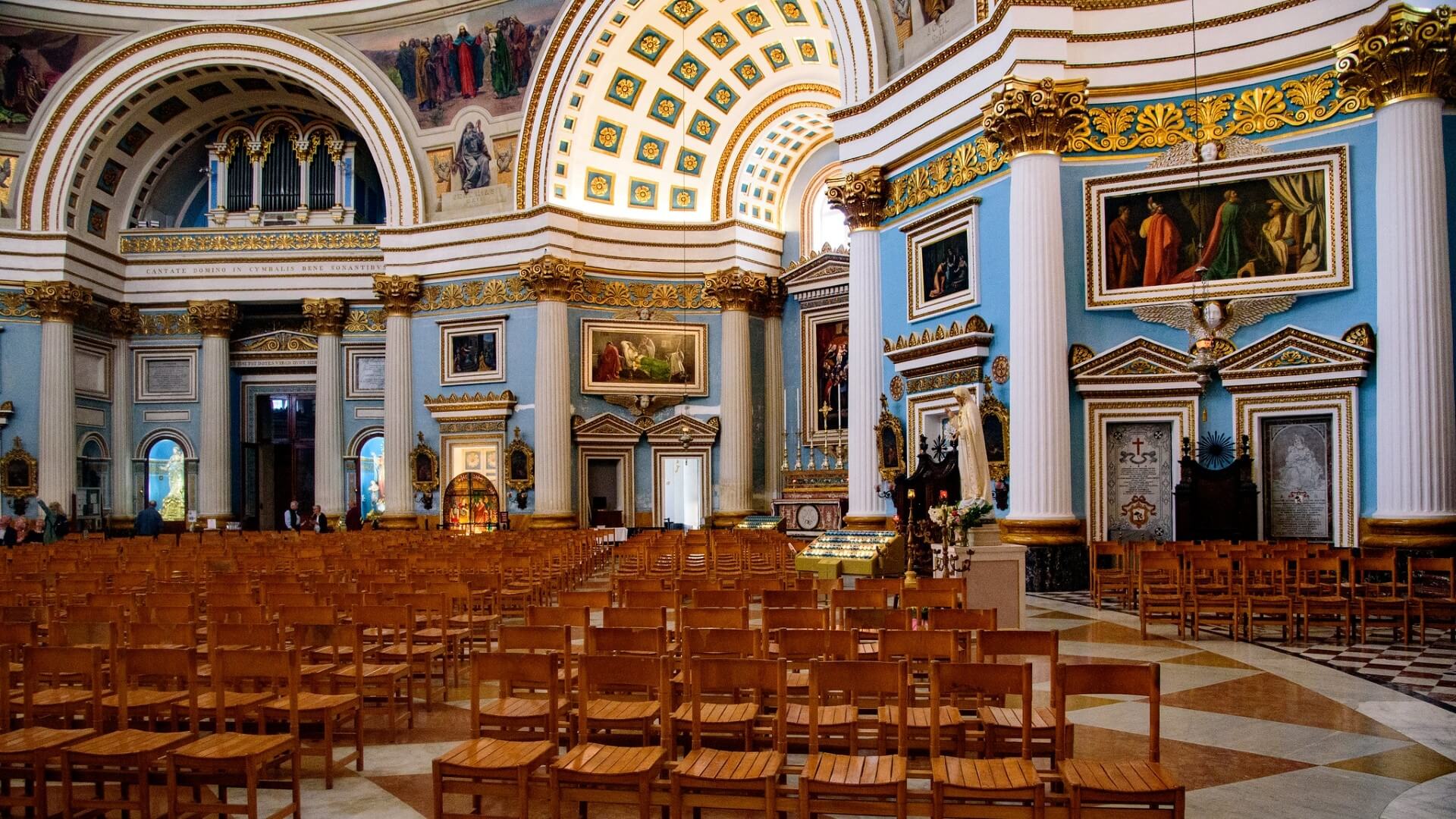
Mosta is famous for its impressive church, the Mosta Rotunda, which has one of the largest domes in Europe. The Mosta Rotunda, officially known as the Church of the Assumption of Our Lady, is one of Malta's most iconic landmarks. The church's dome, 37 metres in diameter, is one of the largest in Europe and the third-largest unsupported dome in the world.
During the Second World War, on 9 April 1942, a 500 kg bomb pierced the dome during a Mass attended by more than 300 people but, miraculously, it did not explode. This event is regarded as a miracle by the locals and is commemorated with a replica of the bomb in the church sacristy.
Another important attraction in Mosta is the Ta' Bistra Catacombs, a complex of prehistoric caves offering a fascinating insight into life in Malta during the Bronze Age. Excavations at this site have uncovered a large number of ancient artefacts and structures, providing a valuable understanding of the island's ancient history.
Victoria (Island of Gozo)
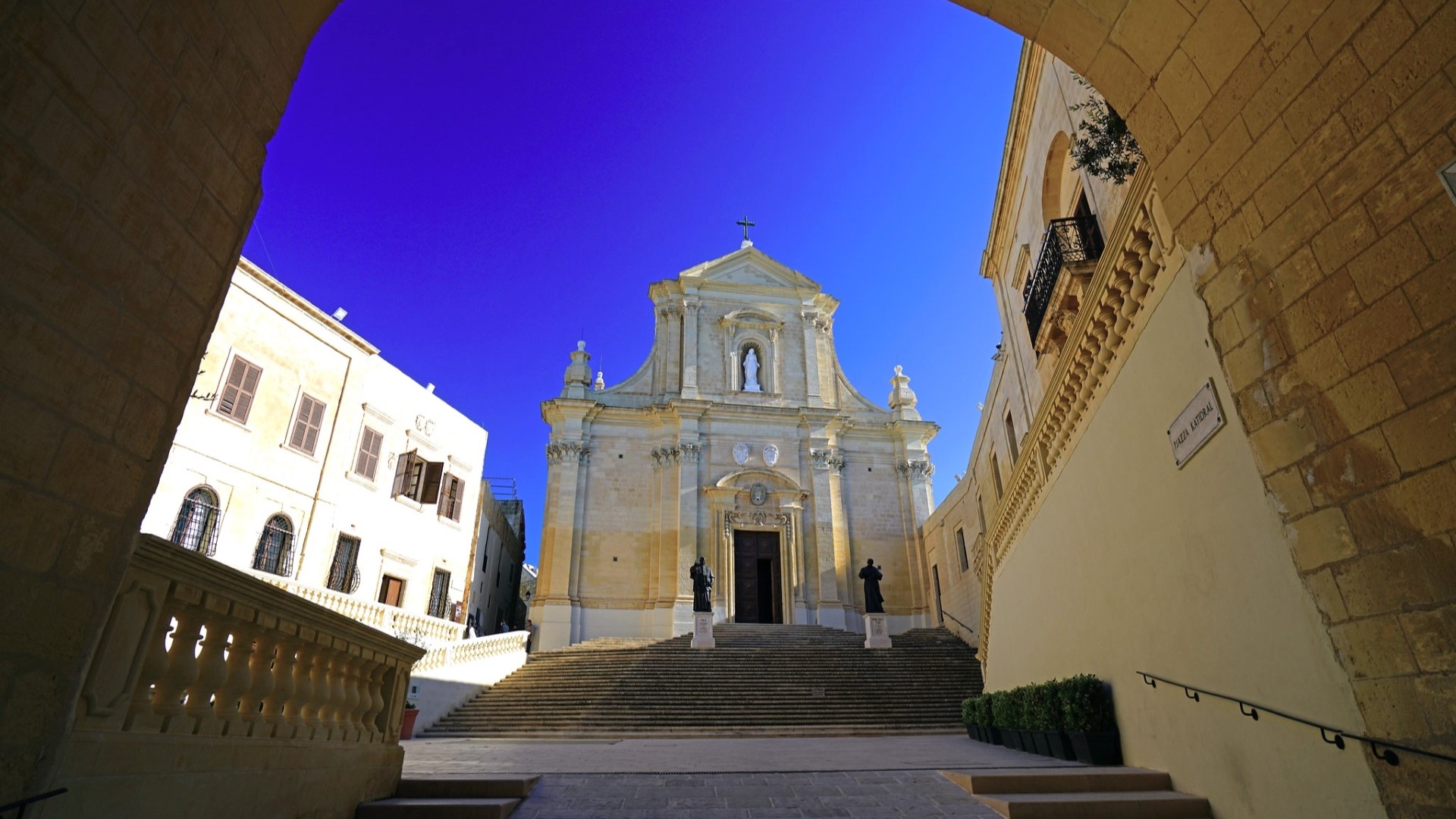
Victoria, also known as Rabat, is the capital of the island of Gozo and a vibrant centre of cultural, historical and commercial activity. With a population of around 7,000 inhabitants, Victoria is the beating heart of Gozo and offers visitors a unique blend of traditional charm and modern amenities.
One of the must-see sights to visit in Gozo, in Victoria, is the Citadel, an impressive fortification set in the centre of the town. The Citadel has been inhabited since prehistoric times and has played a crucial role in the defence of Gozo over the centuries. As they walk along its ancient walls, visitors can enjoy panoramic views over the entire island, including its lush green fields, rolling hills and the deep blue of the Mediterranean Sea.
Inside the Citadel stands the Cathedral of the Assumption, a 17th-century baroque church that bears witness to Gozo's rich religious heritage. The Cathedral Museum and other museums within the Citadel, such as the Folklore Museum and the Archaeology Museum, offer a profound insight into the island's history and culture.