What to do in Valletta? The 13 must-see sights in Malta’s capital
Valletta, Malta’s capital, is a remarkable fortified city. Listed as a UNESCO World Heritage site, it embodies an exceptional historical and cultural legacy. Strolling through its cobbled lanes is like walking through centuries of history. Here are the thirteen unmissable places to visit in Valletta.
St John’s Co-Cathedral
Malta is famous for the churches and chapels scattered across the archipelago. A popular saying goes that in Malta you can pray in a different church for every day of the year. Among all the island’s religious buildings, St John’s Co-Cathedral is the most iconic and an essential visit for anyone in Valletta.
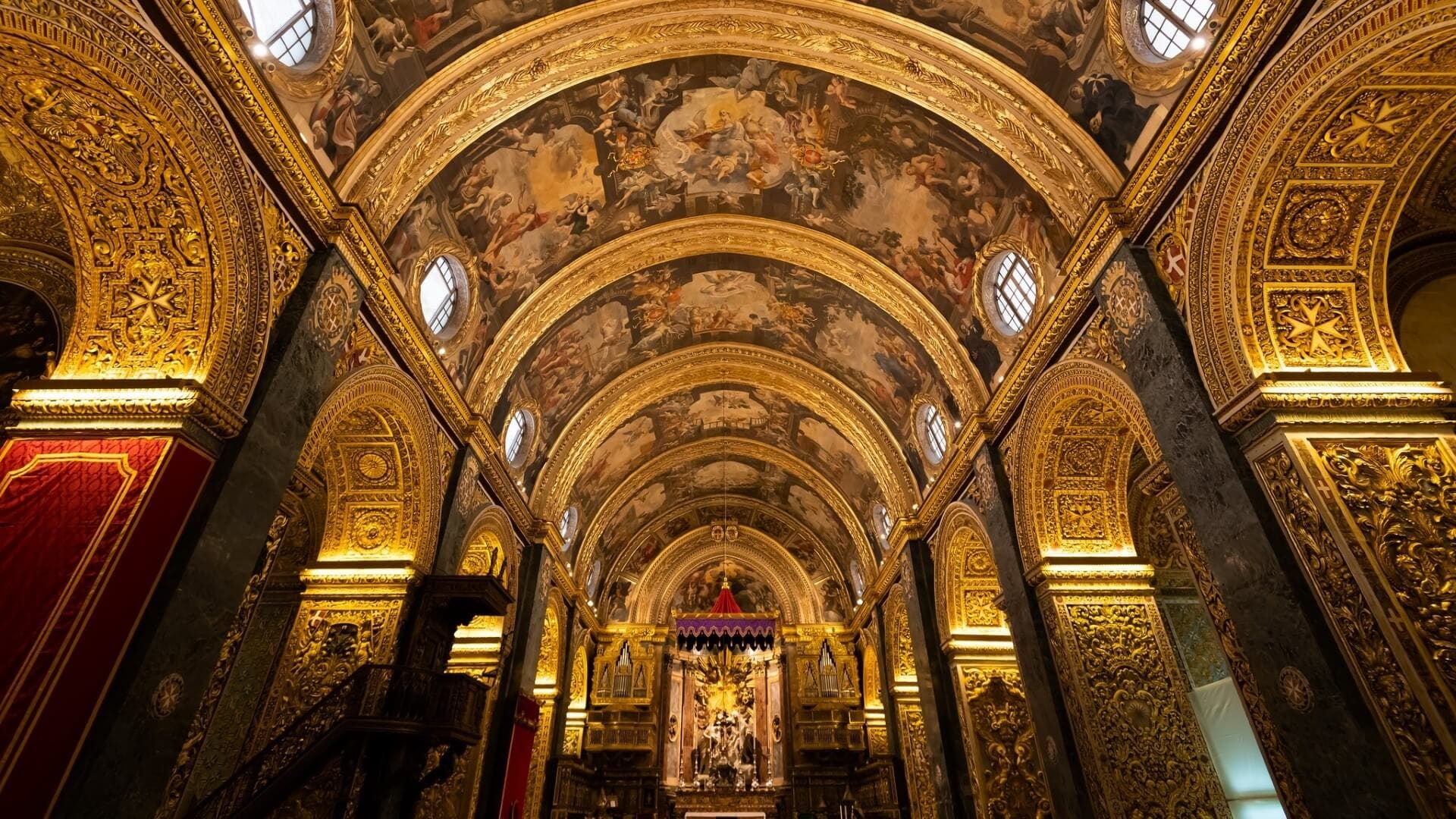
St John’s Co-Cathedral is part of the national heritage of the small island state. It was built between 1573 and 1577 under the grand mastership of Jean L’Evesque de La Cassière. Don’t be put off by the cathedral’s austere façade; to experience the site’s magic you need to step through the door and discover an exceptional monument.
The marble floor is made up of commemorative slabs (cenotaphs) honouring 405 Knights of the Order of Malta. The cathedral and its magnificent Baroque décor also contain a crypt with the tombs of grand masters who shaped the Order. The tombs of Philippe de Villiers de L’Isle-Adam and Jean de Valette are here. An oratory inside the Co-Cathedral also preserves Caravaggio’s masterpiece, The Beheading of Saint John the Baptist.
Opening hours are Monday to Saturday, 09:00–16:45; closed on Sundays and public holidays. Admission to St John’s Co-Cathedral costs €15 for adults and is free for children under 12. It’s best to visit at opening time in the morning or mid-afternoon to avoid the many guided tours.
Worth knowing: some guided walking tours of Valletta include entry to the Co-Cathedral — a good way to combine the city and its star monument in one go.
- 🕒 Mon–Sat: 9am – 4.45pm (last entry 4pm), closed Sundays and public holidays
- 💶 €15 adults, audio guide included (free under 12)
- ⏱ Allow 1 to 1.5 hours
- 🎟 Book online in high season
The Grand Master’s Palace
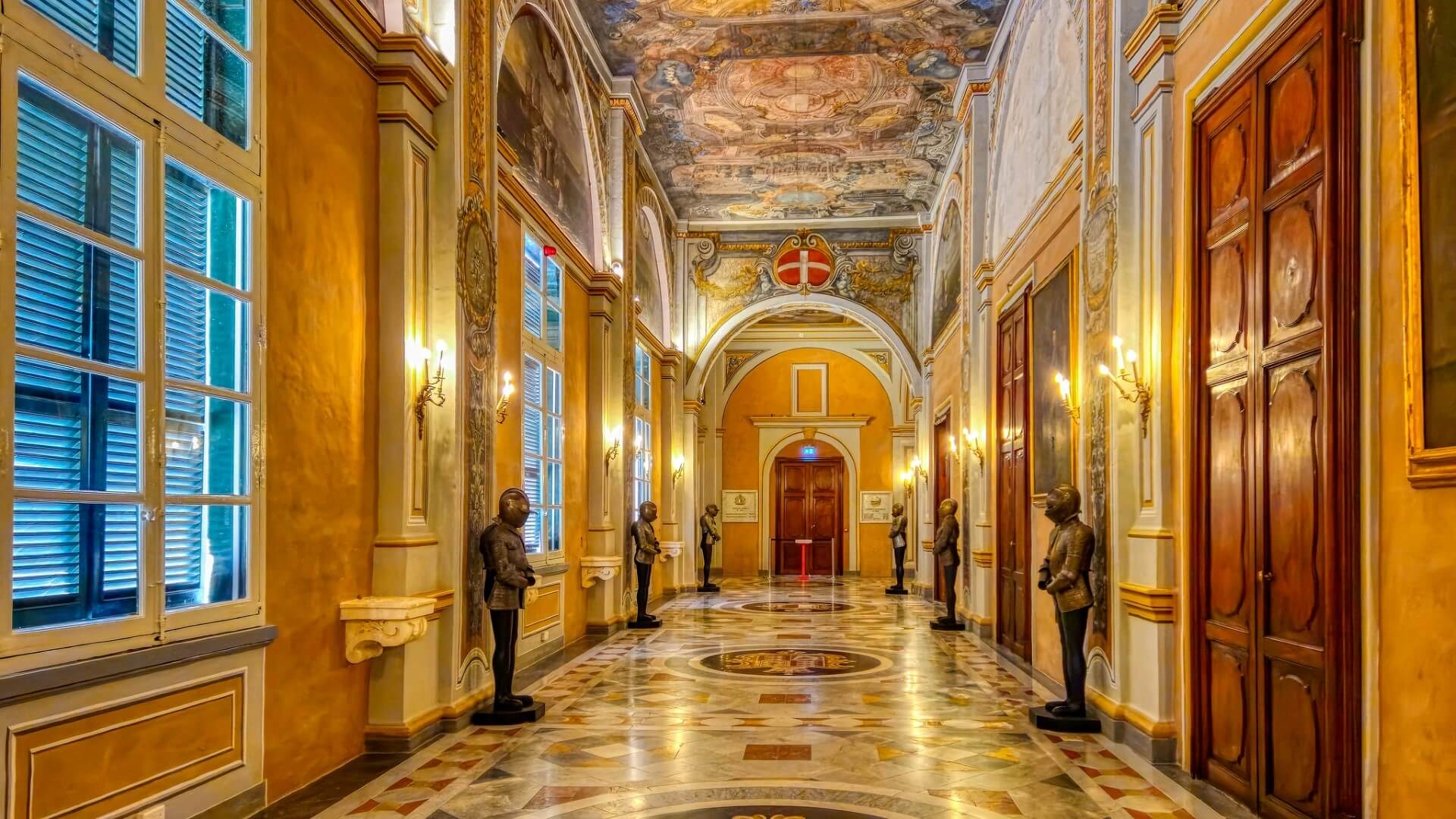
The Grand Master’s Palace, which served as the official residence of 21 Grand Masters during the era of the Order of Malta, is remarkable not only for its history but also for its size. With a rectangular layout, the palace measures 97 metres long by 83 metres wide, making it the largest building in Valletta by surface area.
Today, the Grand Master’s Palace houses the Office of the President of Malta and was home to the Maltese Parliament until 2015. Parts of the palace are open to the public, including several rooms that hold important collections of armour, tapestries and artworks from the Knights of St John period.
The Palace Armoury stands out as one of the most impressive in the world, set in what were once the palace stables. This unique collection contains about 7,000 items, including armour worn by high-ranking knights and armour specially made for their horses. Visitors can also admire parade armour, war trophies, ceremonial swords, cannons and other artefacts.
The centrepiece of the collection is the gold-inlaid parade armour of Grand Master Alof de Wignacourt—a must-see for anyone fascinated by the chivalric era.
The Grand Master’s Palace is open daily from 09:00 to 17:00. Admission is €12 for adults (18+), €10 for youths (12–17) and seniors (60+), €8 for children (6–11), and free for toddlers (1–5).
- 🕒 Open daily, seasonal hours (Heritage Malta)
- 🎟 Combined ticket for the State Rooms and the Palace Armoury (on site or online)
- ⏱ 1.5 to 2 hours
Barrakka Gardens
Valletta is home to the Barrakka Gardens, divided into two levels: the Upper Barrakka Gardens and the Lower Barrakka Gardens. The Upper Barrakka Gardens were laid out in the 17th century by the Knights of St John as a place of relaxation for the knights, and were opened to the public in the 19th century.
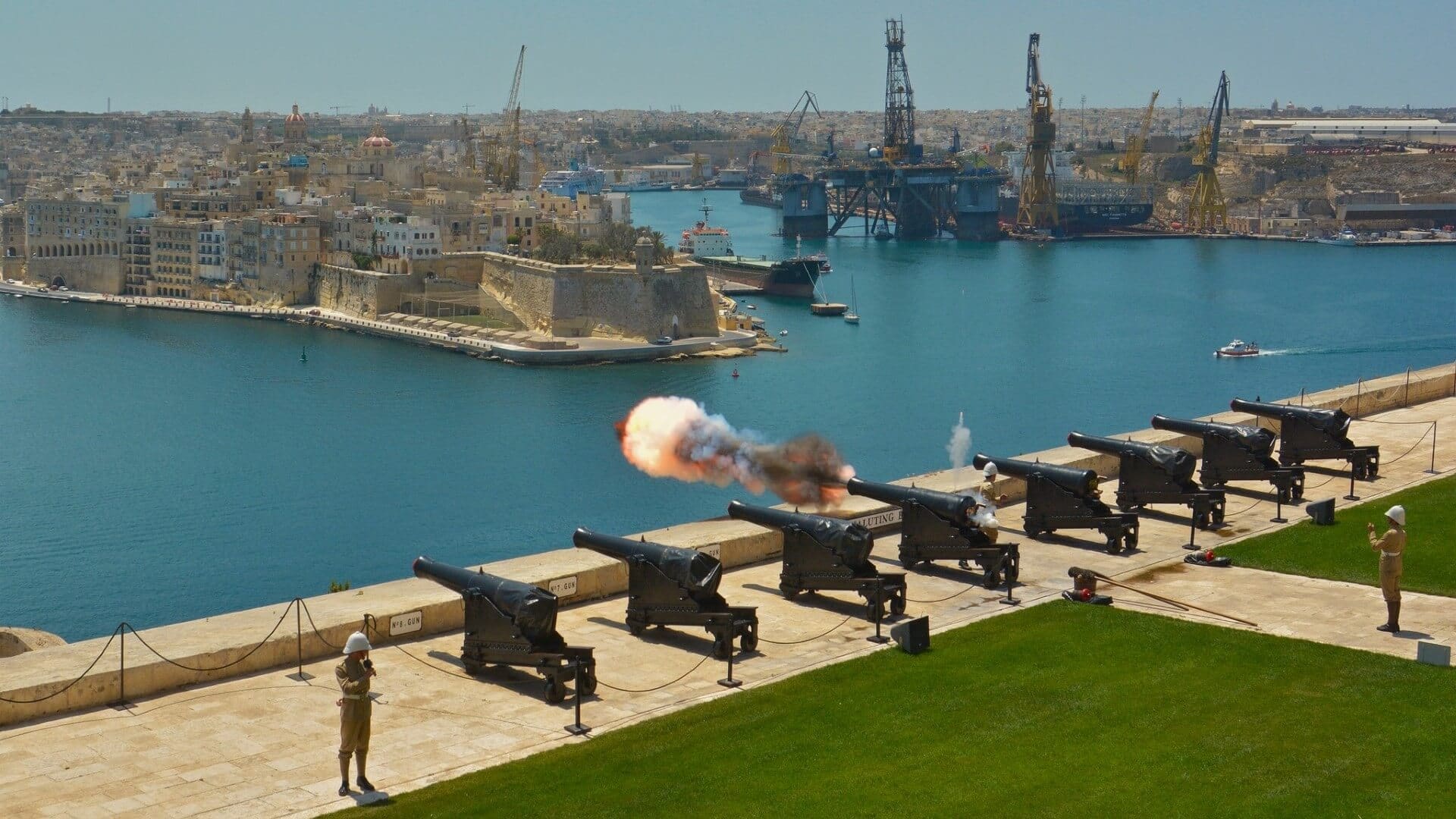
The gardens offer visitors a stunning panoramic view over the Grand Harbour and the Three Cities — Vittoriosa (Birgu), Senglea (L-Isla) and Cospicua (Bormla) — making them a must-see in Valletta.
One of the most interesting features of the Barrakka Gardens is the Saluting Battery, an old artillery platform dating from the 16th century. In the past, this historic site was used to defend the city against possible enemy attacks and to fire ceremonial salutes in honour of visiting dignitaries.
The gardens are open to the public daily and entry is free. Visitors can also watch the traditional cannon-firing ceremony that takes place every day at noon and at 16:00.
🚶♀️ From the viewpoints you can take the Barrakka Lift for €1 to reach the waterfront and the ferry shuttles to the Three Cities.
- 🕒 Gardens free and open all year round
- 💣 Gun salute daily at noon and 4pm (Saluting Battery)
- 🚠 Barrakka Lift down to the Grand Harbour and the Three Cities ferry
National Museum of Archaeology
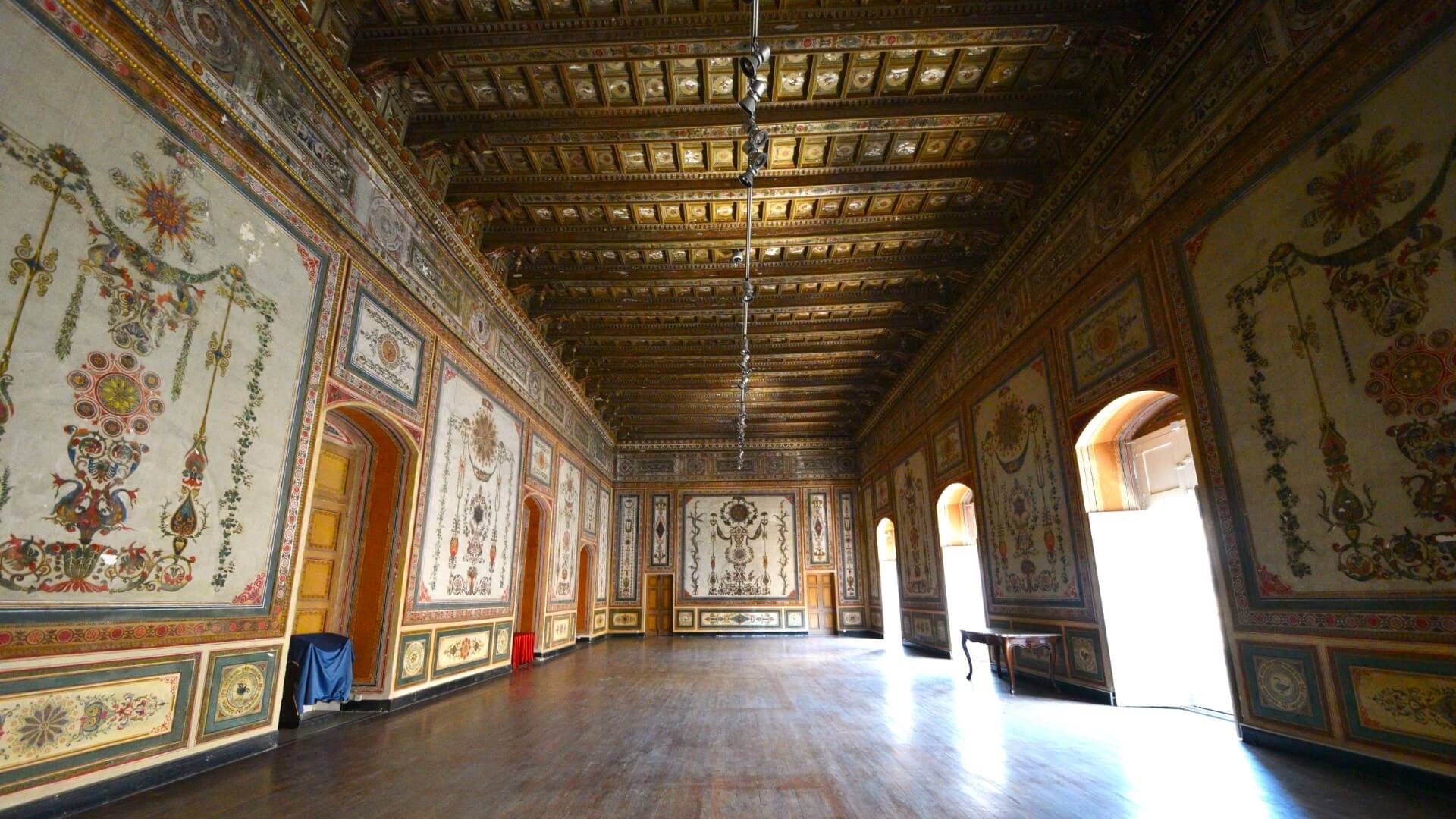
The National Museum of Archaeology is housed in the Auberge de Provence, a magnificent example of the Baroque style that flourished in Malta during the era of the Knights of St John. The museum holds artefacts ranging from prehistory to the Phoenician period, along with an important numismatic collection.
One of the museum’s most remarkable pieces is the “Sleeping Lady”, a prehistoric statue of a female figure thought to represent a fertility goddess. This sculpture bears witness to the artistic skill and creativity of Malta’s ancient civilisations.
Admission fees are as follows: adults (18+): €5.00; youths (12–17), students and seniors (60+): €3.50; children (6–11): €2.50; toddlers (1–5): free. Open daily, 9:00–18:00 (17:00 in January and February).
⛪ For archaeology enthusiasts, it’s essential to combine the museum with the temples of Ħaġar Qim and Mnajdra and the Ħal Saflieni Hypogeum — three outstanding Neolithic sites that rank among Malta’s must-see attractions.
- 🕒 Daily: 9am – 6pm (5pm in January–February)
- 💶 €5 adults
- ⏱ About 1 hour
Casa Rocca Piccola
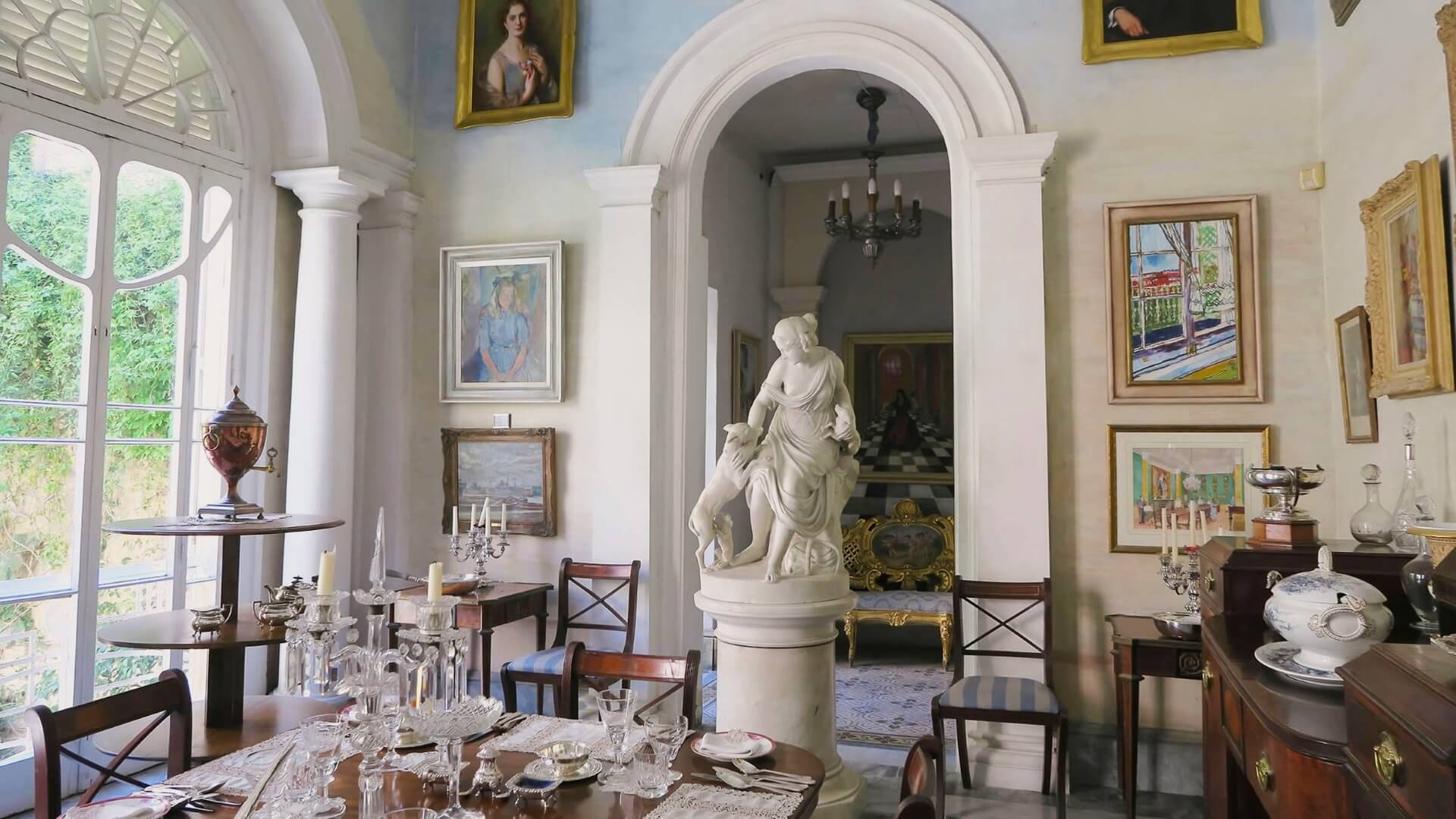
Casa Rocca Piccola was built in 1580 by the Maltese nobleman Don Pietro La Rocca. Since then it has been home to several generations of the La Rocca family and, more recently, to descendants of Maltese nobility, the Marquises de Piro.
Inside Casa Rocca Piccola you’ll find an impressive collection of art, antique furniture, textiles and period objects that tell the story and way of life of its illustrious residents over the centuries. Casa Rocca Piccola also features an intriguing network of underground tunnels dating from the Second World War, used by the family as air-raid shelters during the bombings.
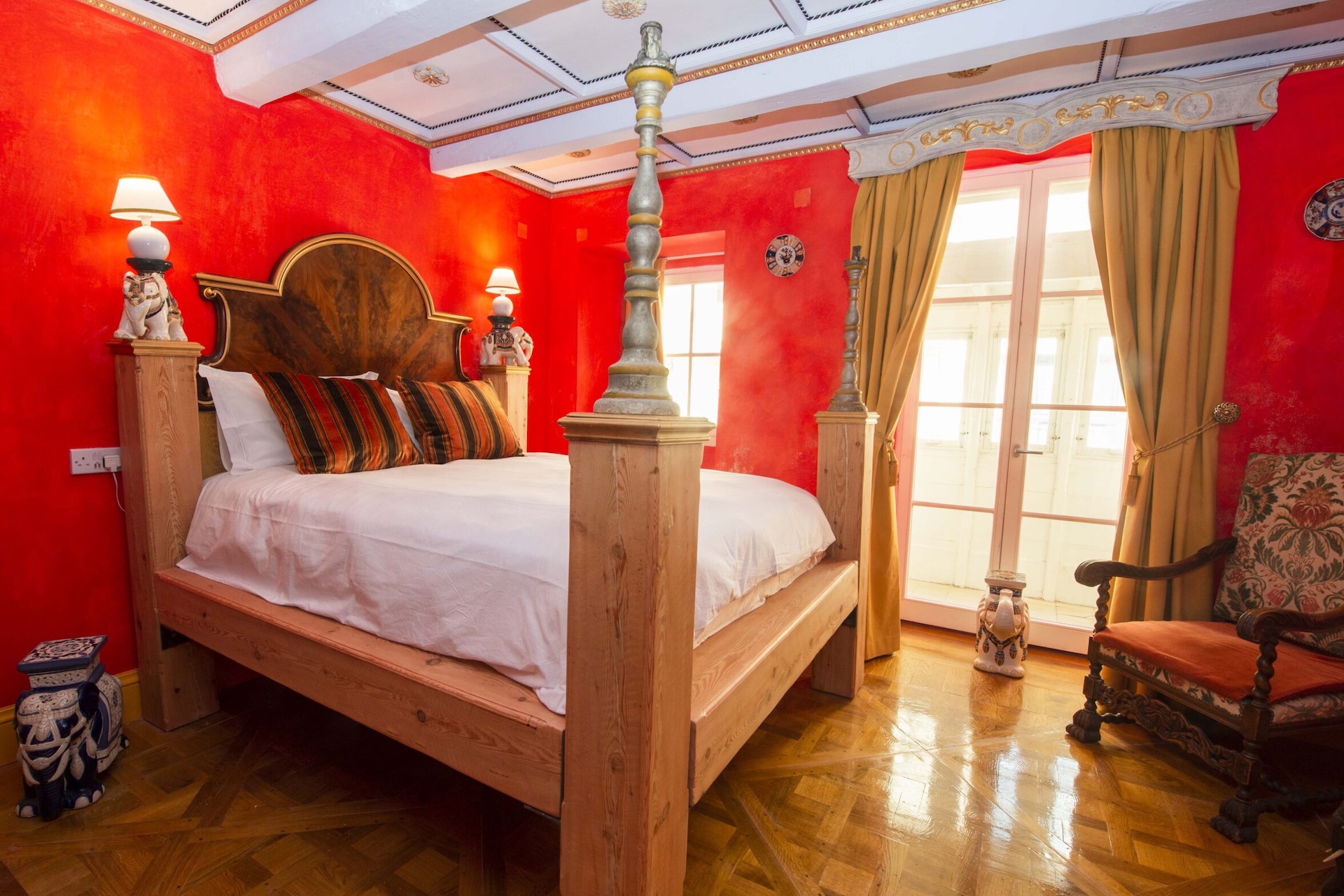
Most of the palace serves as a private museum and is a popular tourist attraction in Valletta, but some rooms have been restored to offer accommodation for discerning travellers visiting the city.
Casa Rocca Piccola is open Monday to Saturday, 10:00–17:00. Admission is €9 for adults, €5 for students (including university students) and free for children under 14.
🏡 Looking for an extraordinary experience? We suggest you spend the night at Casa Rocca Piccola, a unique Bed & Breakfast stay in one of the most iconic palaces in Valletta.
- 🕒 Mon–Sat: 10am – 5pm, guided tours in English on the hour
- 💶 €9 adults, free under 14
- 🎟 Book tickets online (palace + museum)
- ⏱ 45 minutes to 1 hour
Teatru Manoel
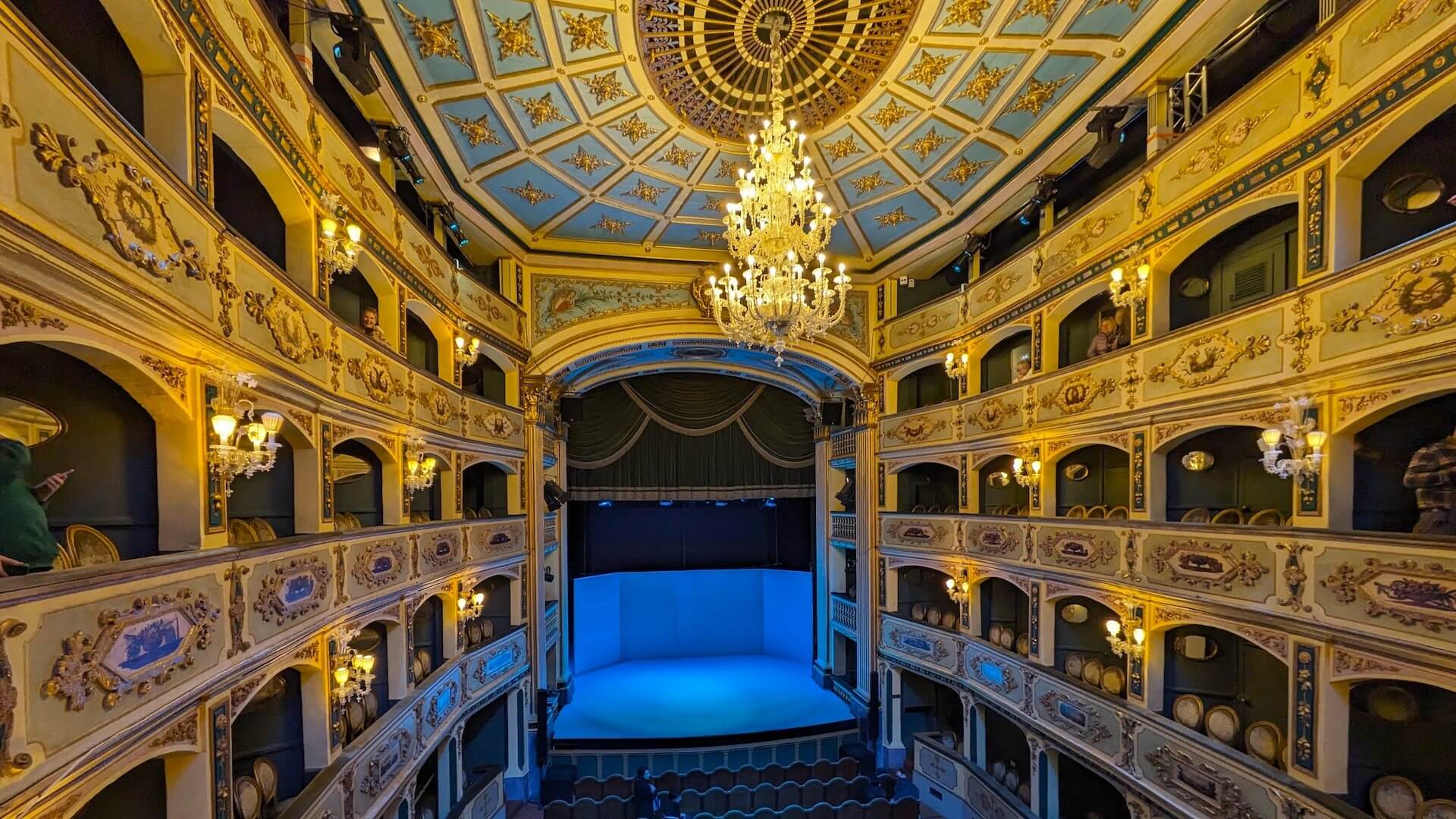
The Teatru Manoel is Malta’s national theatre and home to the Malta Philharmonic Orchestra — a must-see venue. Built in 1731, it is the third-oldest theatre in Europe. Despite its discreet façade, it hides a fascinating history linked to the Order of Malta. Once the Ottoman threat had receded, Valletta transformed into a lively, festive city; Teatru Manoel was among the first buildings erected to meet this new demand for entertainment.
Today, Teatru Manoel remains a vibrant venue. You can visit the wooden boxes decorated with gold leaf and soak up the venue’s magic, but the ideal experience is to attend a live performance and feel all the emotion this historic theatre has to offer.
Guided tours of the national theatre are available Monday to Friday at 11:00 and 15:00, and Saturday at 10:30, 11:30 and 12:30. The tour costs just €5 and lasts 30–40 minutes.
- 🕒 Daytime visits Monday to Saturday (outside rehearsals and shows)
- 🎟 Tickets and programme on teatrumanoel.mt
- ⏱ 30–40 minutes
Fort Saint Elmo
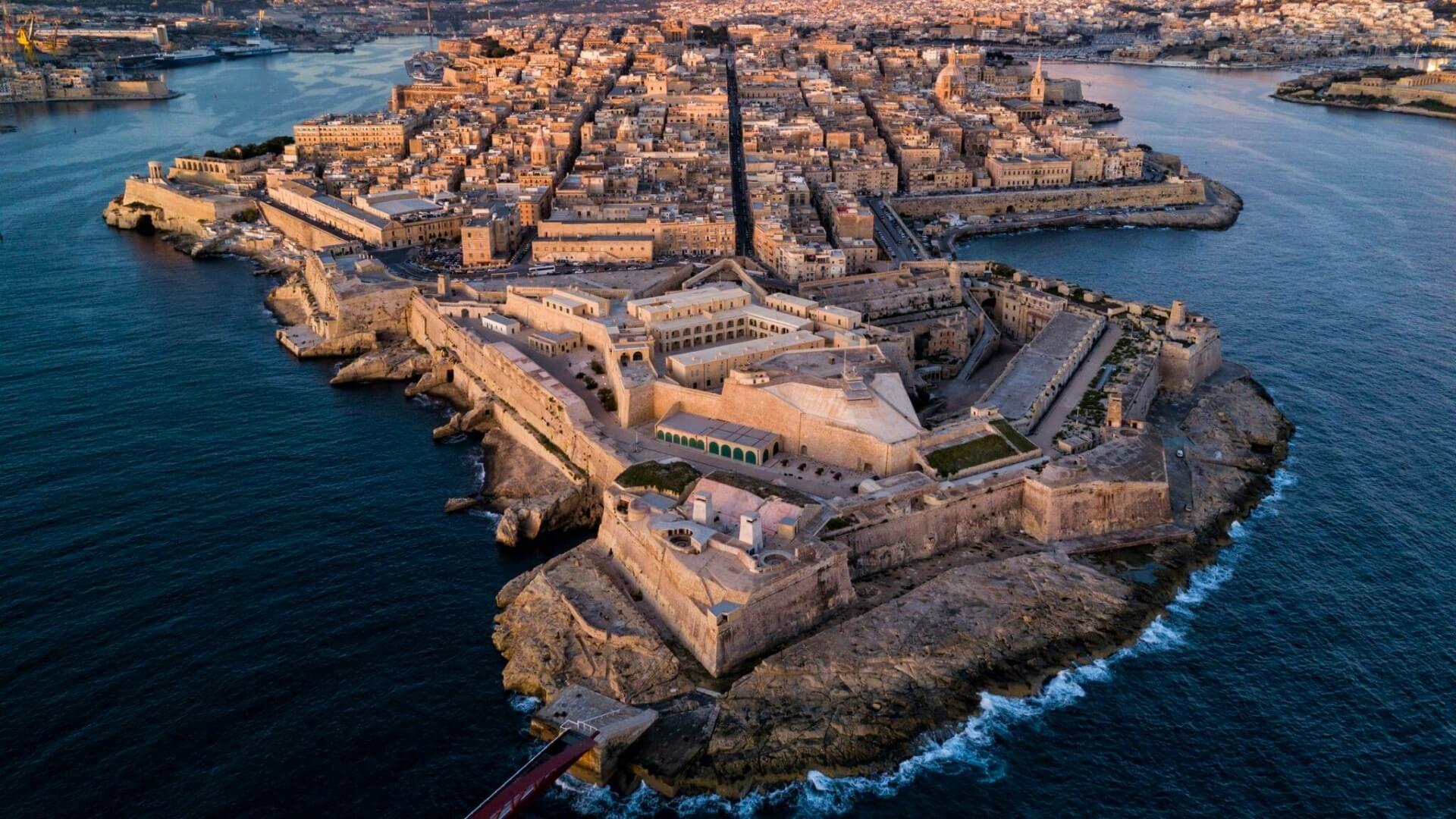
Fort Saint Elmo has witnessed many conflicts throughout its history. One of the most significant events was during the Great Siege of Malta in 1565, when it bravely withstood Ottoman attacks for nearly a month before falling. This battle is considered a crucial moment in Malta’s history and in the struggle against Ottoman expansion in the Mediterranean.
Construction of Fort Saint Elmo began in 1552 under Grand Master Juan de Homedes, and was completed in just a few months in the face of the Ottoman threat.
Valletta’s fortifications were built after the Great Siege, which makes Fort Saint Elmo one of the oldest buildings in the fortified city.
Entry fees are €10.00 for adults, €7.50 for youths and seniors (60+), and €5.50 for children (6–11); toddlers (1–5) enter free. The fort is open daily from 10:00 to 18:00.
📸 From Fort Saint Elmo’s eastern platform you can see Comino’s coast and its famous Blue Lagoon on a clear day.
- 🕒 Open daily, seasonal hours
- 💶 €10 adults
- ⏱ 1.5 hours (including the National War Museum)
MUŻA – National Museum of Fine Arts – Auberge d’Italie
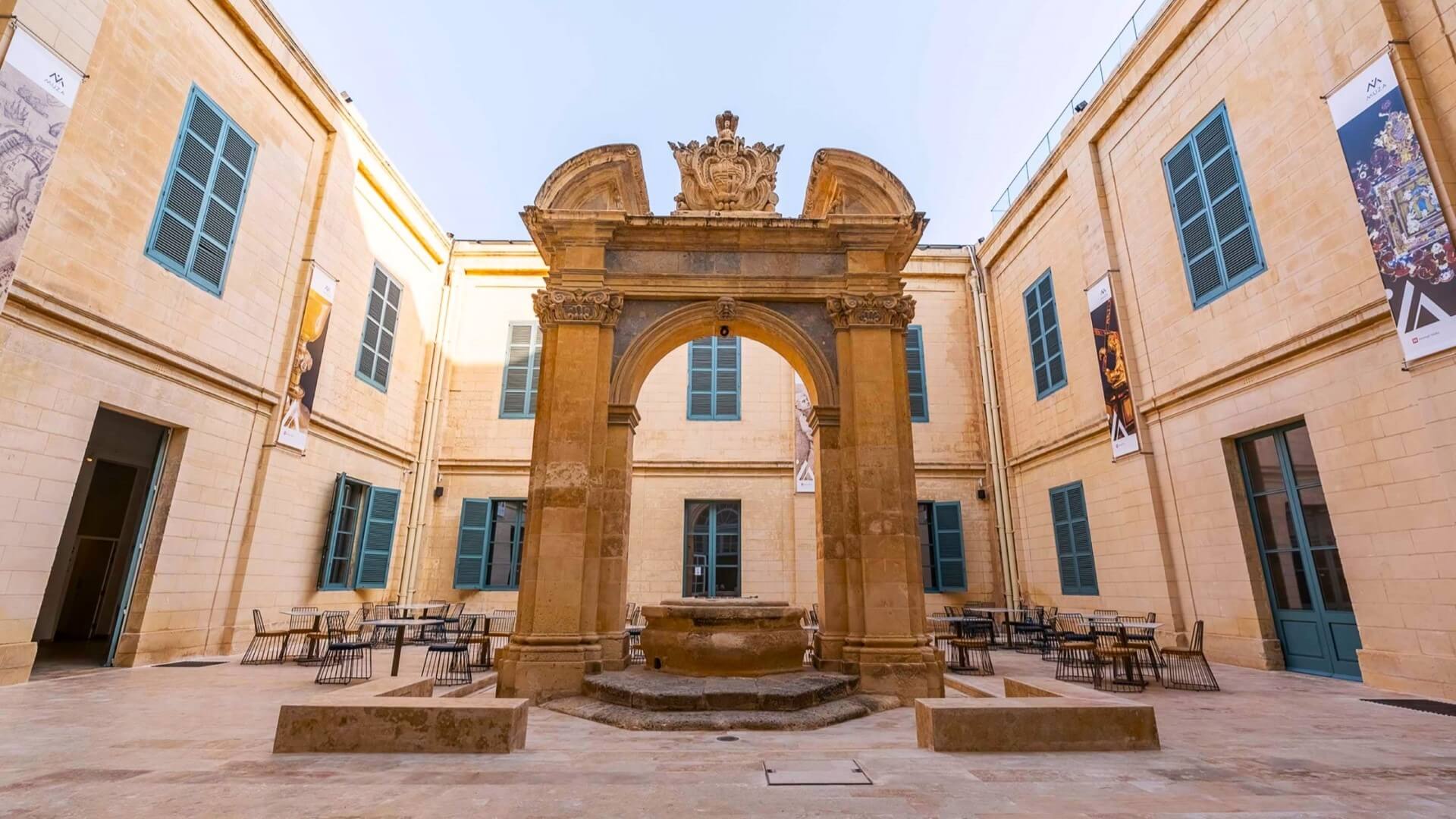
The Auberge d’Italie, originally built as a residence for the Italian knights of the Order of St John, has been transformed into a space housing an impressive collection of Maltese and international art. The museum presents a wide variety of works ranging from antiquity to contemporary times, including paintings, sculptures, decorative arts and much more.
The National Museum of Fine Arts has seasonal opening hours: in January and February it is open from 9:00 to 17:00, except on Tuesdays; from March to December it is open daily. Admission prices are €10.00 for adults (18–59), €7.50 for youths (12–17), seniors (60+), concessions and students, €5.50 for children (6–11), and free for toddlers (1–5).
- 🕒 Open daily (except Tuesdays in January–February), in the Auberge d’Italie (Merchants Street)
- ⏱ About 1 hour
Republic Street
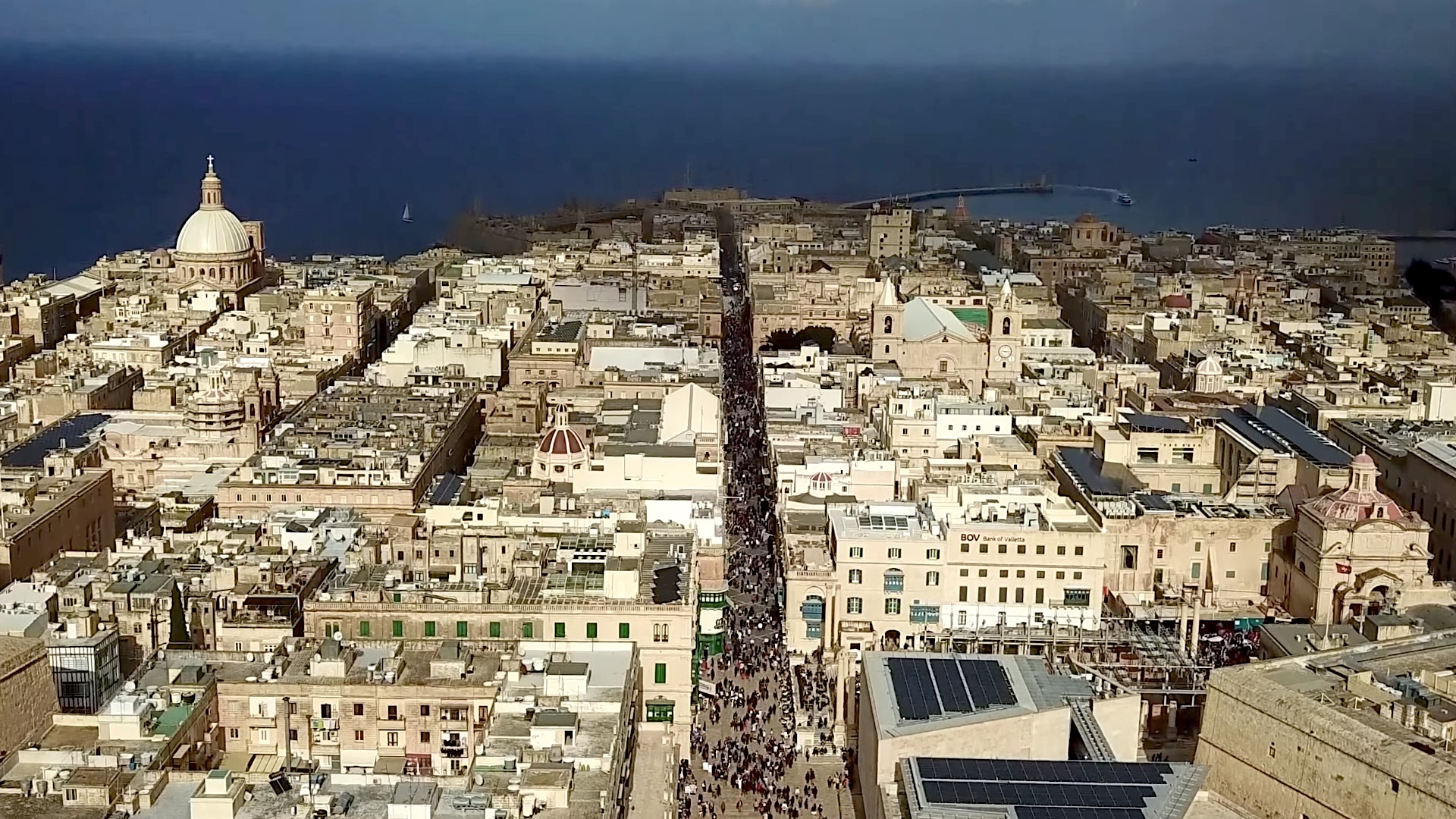
Republic Street, also known as "Triq ir-Repubblika", is the main artery running through the heart of Valletta, Malta’s capital. This iconic street is not only the nerve centre of activity in Valletta but also a vibrant symbol of Malta’s rich history and cultural heritage.
Walking along Republic Street is like taking a journey back in time. There are numerous shops, cafés and interesting places along the way. You can see historic buildings such as the Grand Master’s Palace and St John’s Co-Cathedral, which tell stories about Malta and its people. It’s like an open-air museum where you can learn a great deal about the island’s history and culture as you stroll.
Republic Street is Valletta’s main avenue, but many other picturesque streets and alleys are full of fascinating stories and treasures. To unlock the secrets of the Maltese capital and travel through the centuries, we highly recommend joining a guided tour with a local guide. It’s an unmissable experience for fully grasping the soul of Valletta!
- 🚶 Free to wander — 1km on foot from City Gate to Fort St Elmo
- 💡 Liveliest on Saturday mornings; come early for photos
Valletta’s colourful balconies and side streets
You cannot leave Valletta without photographing its famous painted timber balconies, the gallariji. Red, green, blue or yellow, they dress the limestone façades and give the capital its unmistakable face. Their origin is still debated — a legacy of the Arab muxrabija for some, an evolution of the open Mediterranean balcony for others. The great closed balcony of the Grand Master’s Palace is said to have set the fashion for the whole city in the 18th century.
To admire them, step off Republic Street and lose yourself in the parallel lanes: Old Mint Street with its stepped façades, St Lucia Street plunging towards the sea, or Strait Street, the sailors’ former entertainment strip reborn as a row of cocktail bars. Late afternoon, when the golden light hits the stone, is the best time for photos.
The maze also hides a few secret addresses, like the Mysterium Fidei monastery and its secret garden, open to visitors in the very heart of the city.
- 📷 Best spots: Old Mint Street, St Lucia Street, Strait Street
- 💶 Free — the whole city is a backdrop
The Valletta Waterfront
At the foot of the bastions, on the Grand Harbour side, the Valletta Waterfront lines up a row of colourful baroque façades: the old stores built in the 18th century under Grand Master Pinto for maritime trade. Beautifully restored, they now house restaurants, cafés and terraces facing the cruise liners.
It is a lovely spot for lunch by the water or a long evening as the illuminated ships leave port. You can get down from the Upper Barrakka Gardens in a few minutes with the panoramic lift, or walk through Victoria Gate.
- 🚶 Access: Barrakka Lift from Upper Barrakka, or a 10-minute walk via Victoria Gate
- 🕒 Restaurants open for lunch and dinner
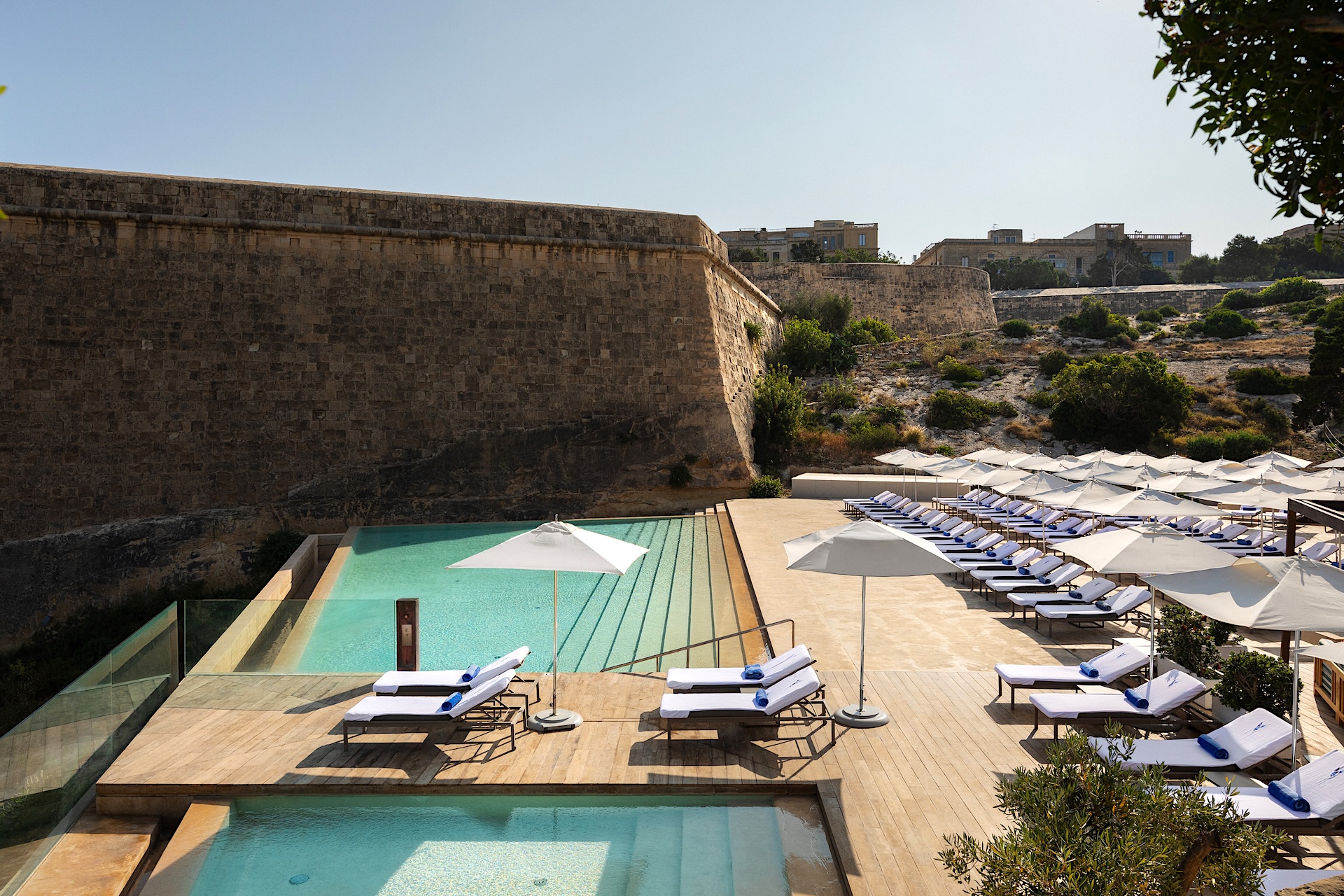
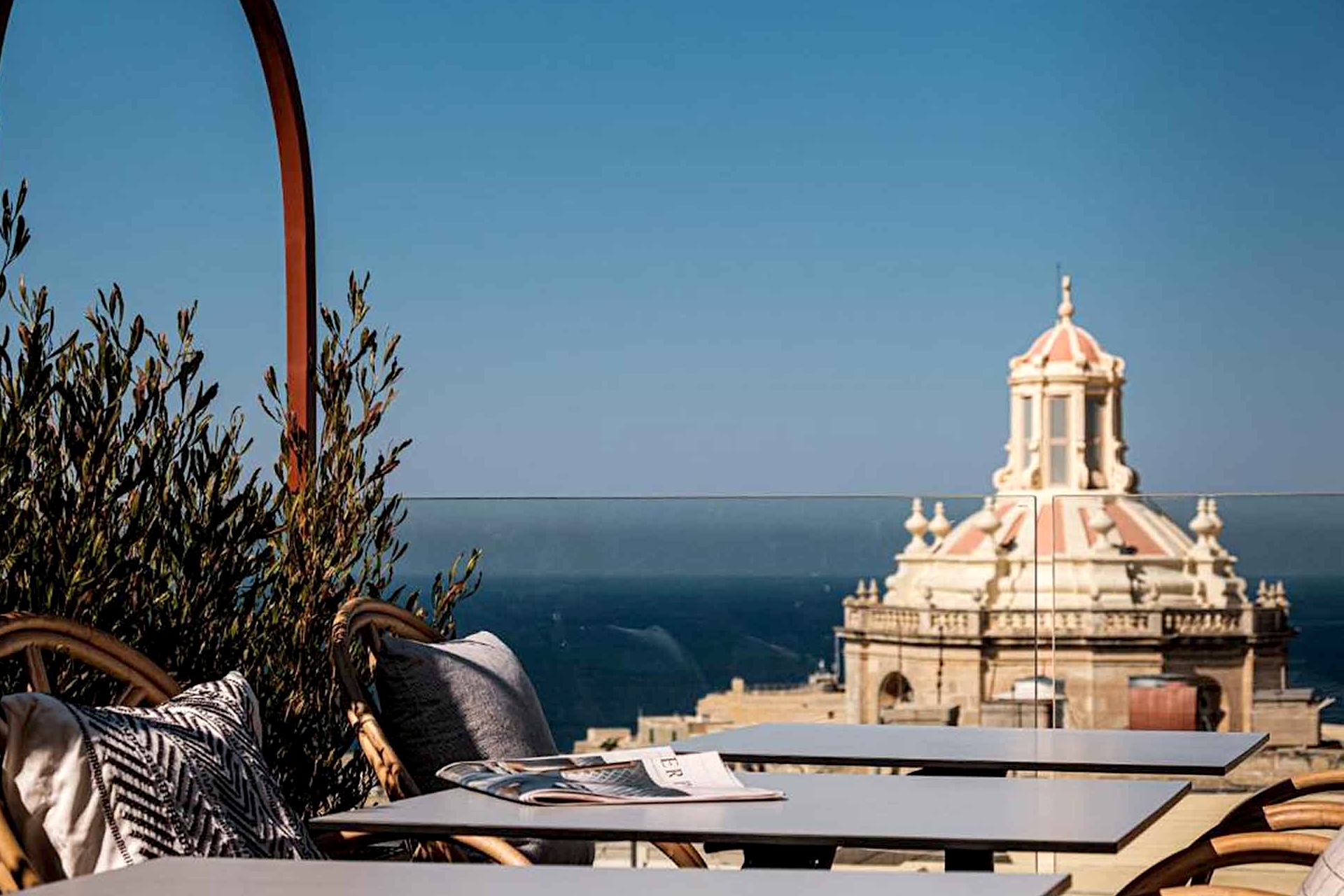
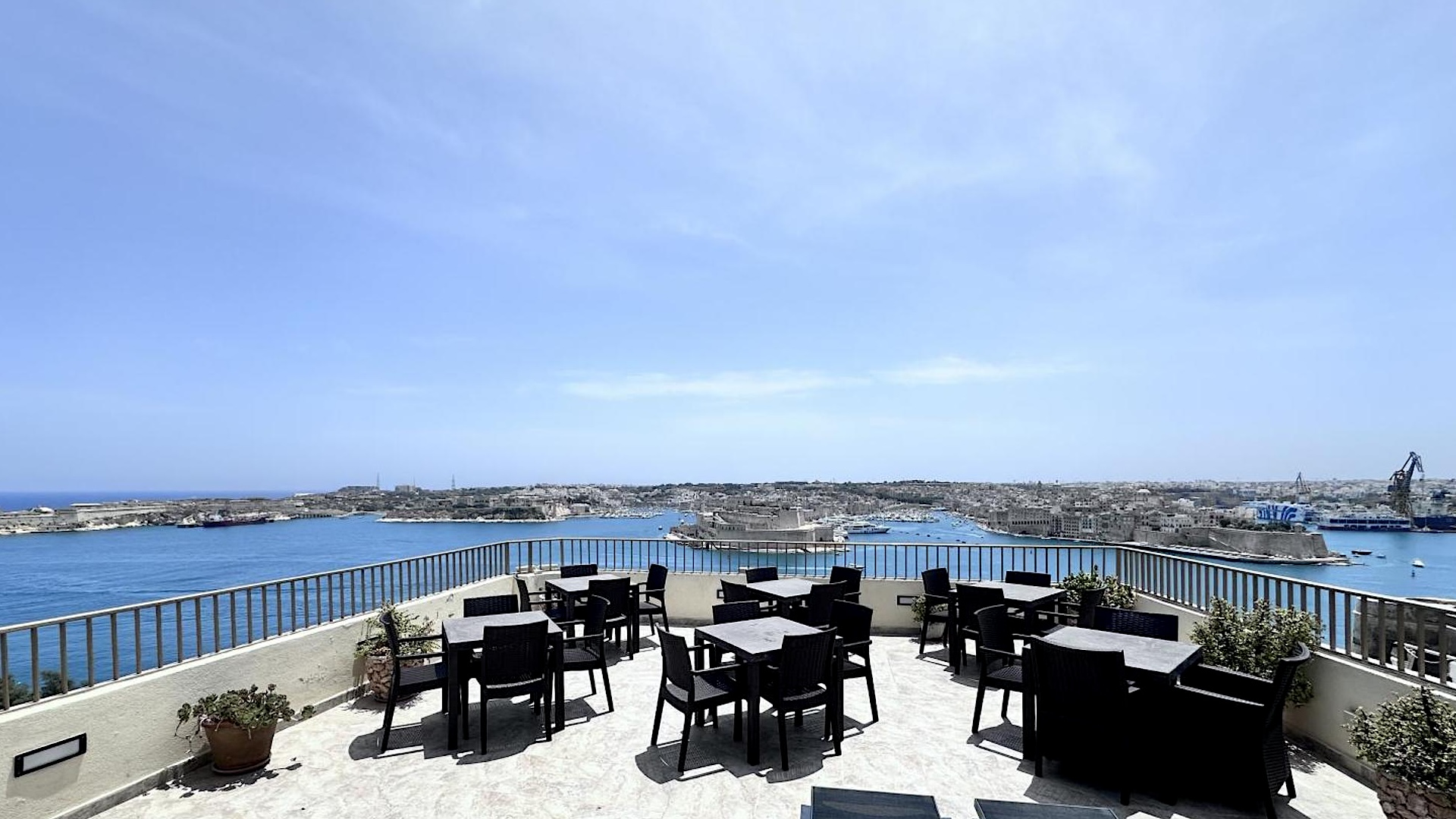
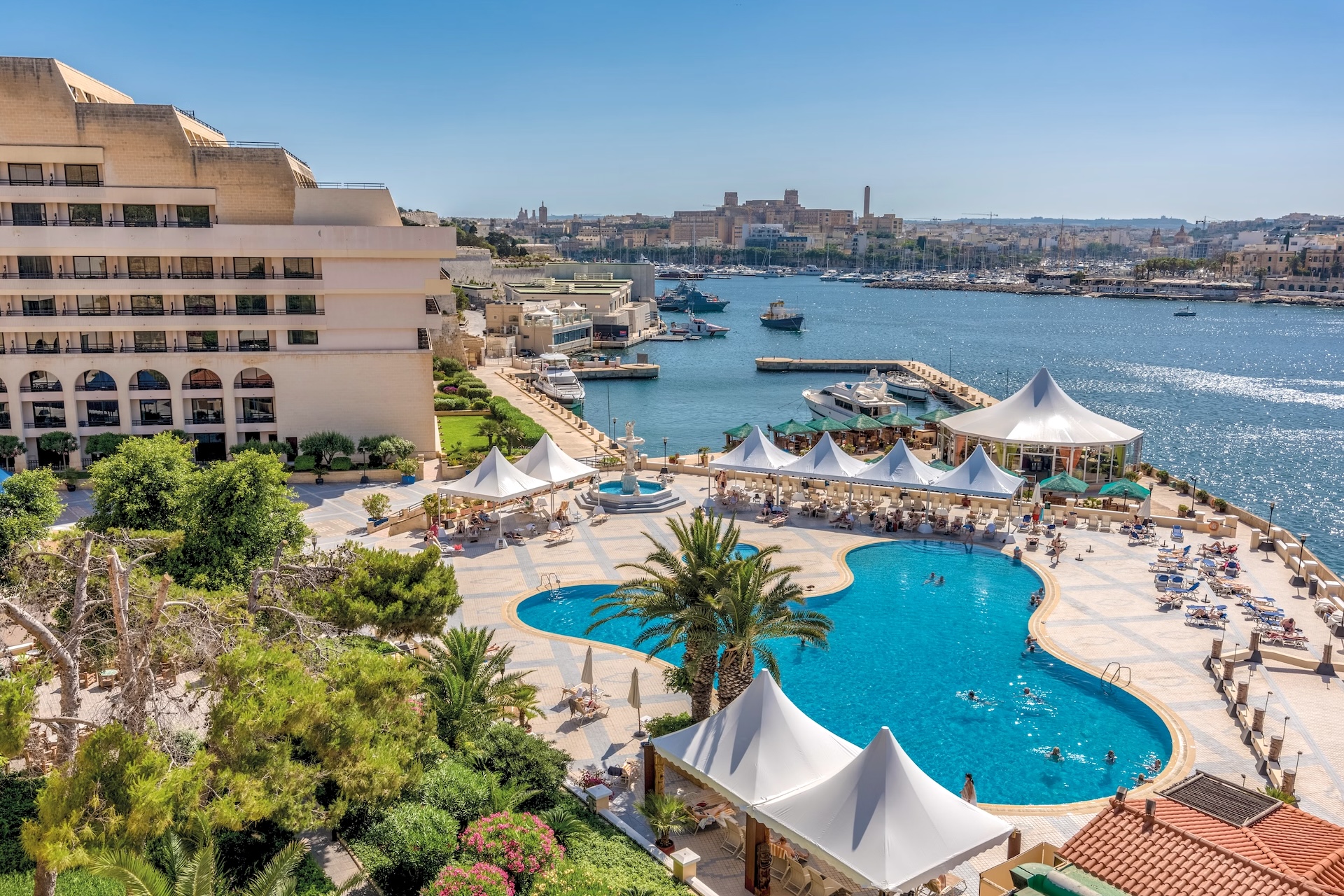
A cruise around the Grand Harbour
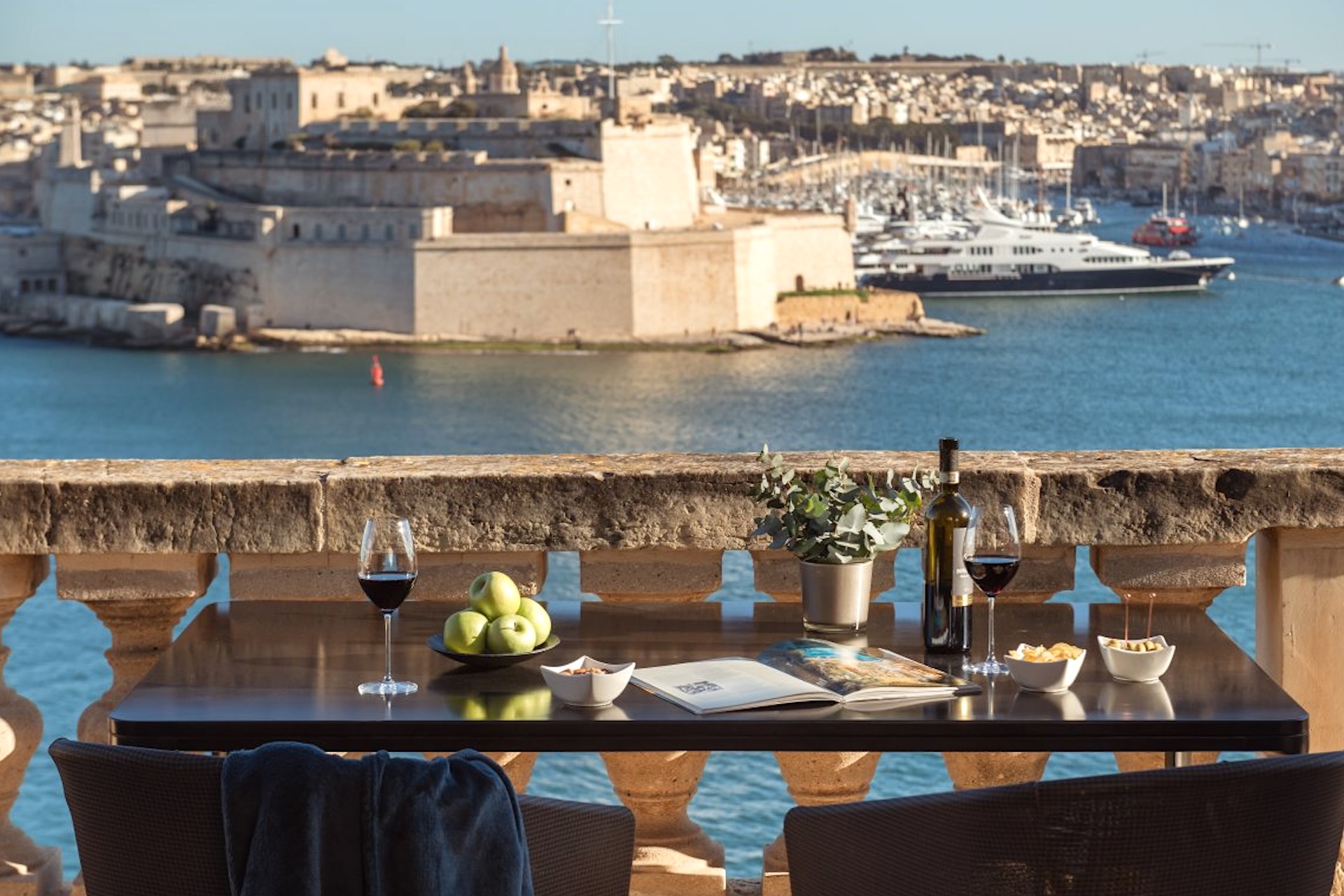
The Grand Harbour is one of the finest natural harbours in the Mediterranean — the very reason Malta matters in history. To grasp the sheer scale of the fortifications of Valletta and the Three Cities, nothing beats seeing them from the water.
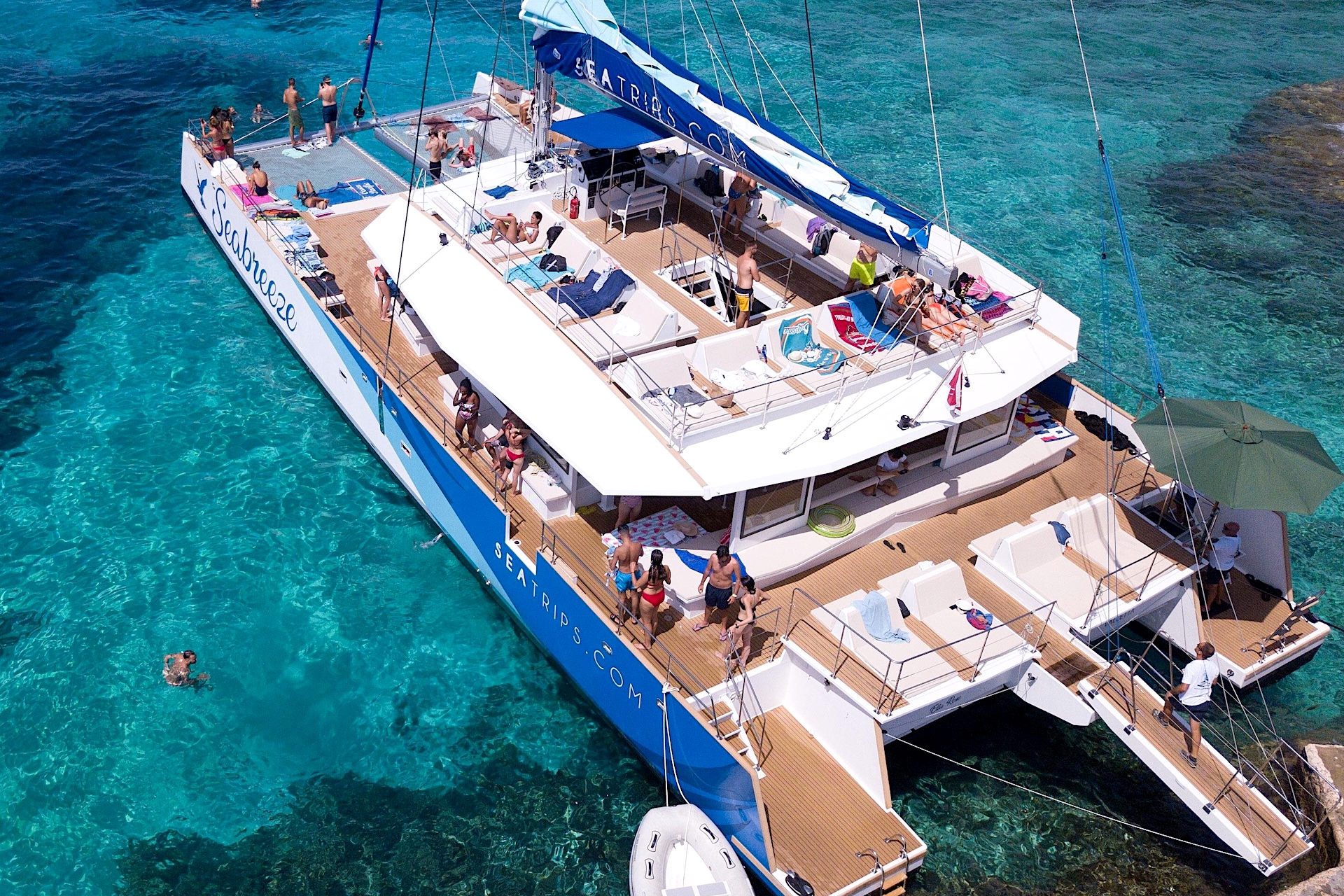
Two-harbour cruises (Grand Harbour and Marsamxett) last about an hour and a half and reveal creeks, shipyards and bastions from an angle you will never get on land. More traditional still: crossing by dgħajsa, the traditional Maltese water taxi, between the Waterfront and the Three Cities. At sunset, the golden ramparts are unforgettable.
Cruises, sunset trips and combos with Comino can be booked online — see our picks in the activities box above or our guide to things to do in Malta.
- ⏱ About 1.5 hours for the two-harbour tour
- 🚤 Departures from Sliema, the Waterfront or the Three Cities
The Three Cities
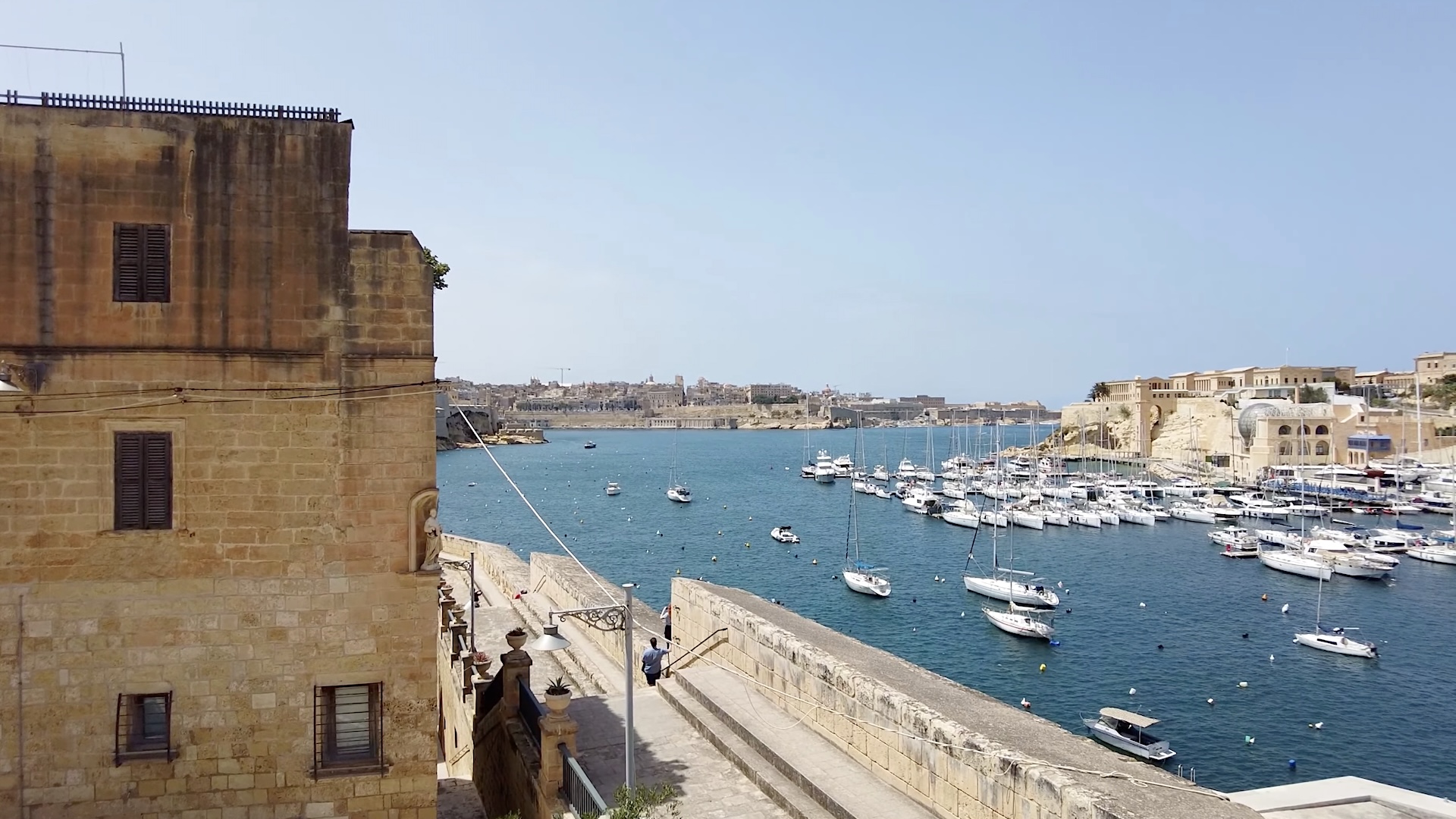
Although not strictly part of Valletta, a visit to the Three Cities is a must and is often conveniently combined with a day in the capital. Malta’s three cities are Cospicua (Bormla), Senglea (L-Isla) and Vittoriosa (Il-Birgu) — fortified towns located on the eastern side of the Grand Harbour and considered a historical treasure worth exploring.
Vittoriosa, also known as Birgu, is the oldest and offers iconic sites such as Fort St Angelo and the Maritime Museum. Senglea, also called Isla, is distinguished by its majestic church, its picturesque promenade and the charming Gardjola Gardens. Finally, Cospicua, known as Bormla, is the largest and boasts a rich naval history, with attractions such as the Second World War Museum and its photogenic gardens.
You can easily reach the Three Cities from Valletta by ferry, departing from the Barrakka Gardens area. The journey takes about 15 minutes, giving you the chance to enjoy unique panoramic views of the coastline and Valletta from the sea. Valletta Ferries fares are €2.00 for adults for a one-way daytime trip and €3.80 for a return; children’s fares are €1.00 and €1.50 respectively.
- ⛴ Ferry in 15 minutes from the landing below the Barrakka Gardens
- ⏱ Half a day to wander Birgu, Senglea and Cospicua
Valletta is best savoured on foot, eyes up: one well-planned day covers the essentials, two let you add the museums, a harbour cruise and the Three Cities without rushing. To plan the rest of your stay, continue with our complete Valletta guide and our pick of things to do in Malta.