What to Do in Malta: The 10 Must-See Attractions
Malta is brimming with things to do and sights to discover. Whether you're planning a short break of a few days, a full week or longer, the archipelago is sure to win you over. History buff, seeker of a change of scenery or simply a fan of doing nothing at all, everyone will find something to fill their days. Here are the essential sights and experiences to pencil into your travel notebook for an unforgettable trip.
Valletta, the Capital of Malta
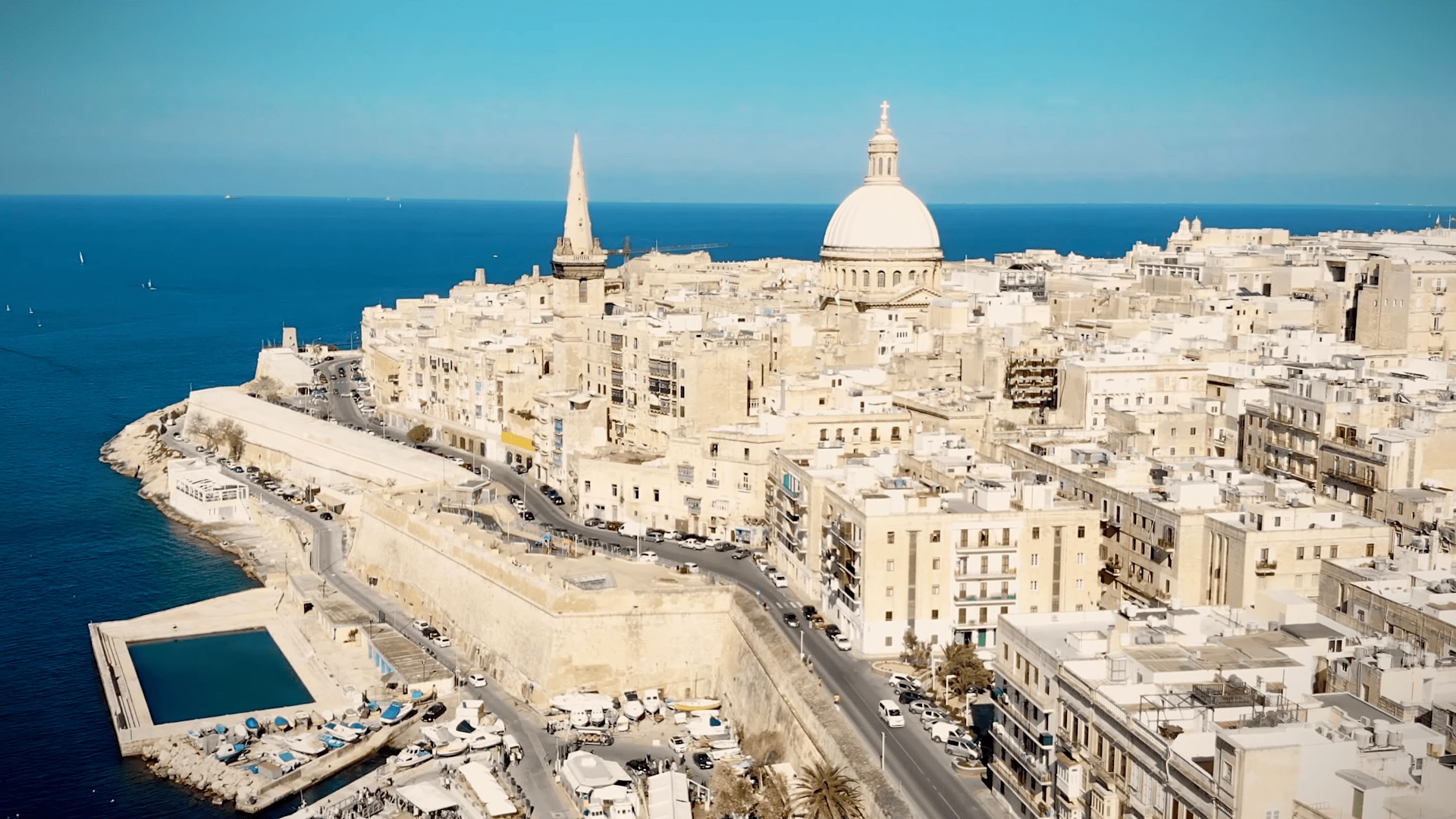
Valletta, Malta's capital, is a genuine open-air museum. The fortified city, ringed by imposing bastions, has been a UNESCO World Heritage Site since 1980. Every narrow street is steeped in history and packed with treasures to uncover. Among the highlights: St John's Co-Cathedral, the Grandmaster's Palace and its armoury, and the Upper Barrakka Gardens, famous for their Saluting Battery and its daily cannon fire.
A visit to St John's Co-Cathedral alone justifies a detour to Valletta. Behind an austere facade lies an interior that is quite simply breathtaking, unquestionably the one sight not to miss on a trip to Malta. It houses Caravaggio's masterpiece “The Beheading of St. John the Baptist,” overlooking the oratory, along with 407 works of marble funerary art dedicated to the knights of the Order of Malta: 21 sepulchral monuments and 384 richly decorated tombstones.
Deeply shaped by the legacy of the knights, the capital lends itself perfectly to a guided discovery. To grasp its full historical depth, a guided tour of Valletta remains the easiest and most vivid way to unlock the stories hidden behind each building. Food lovers, meanwhile, will relish a culinary tour of the capital, seeking out the flavours of Malta.
The Blue Lagoon (Comino)
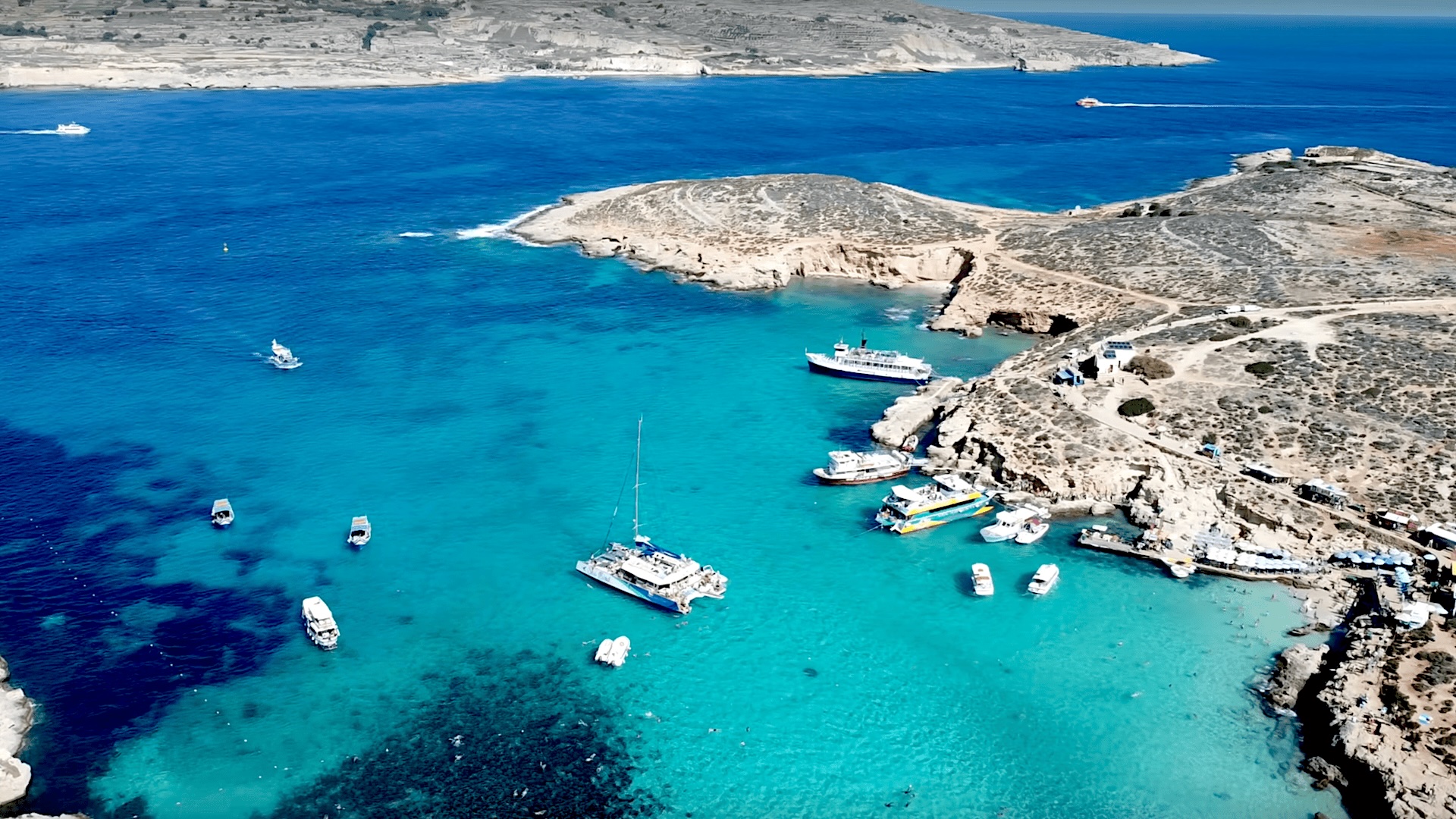
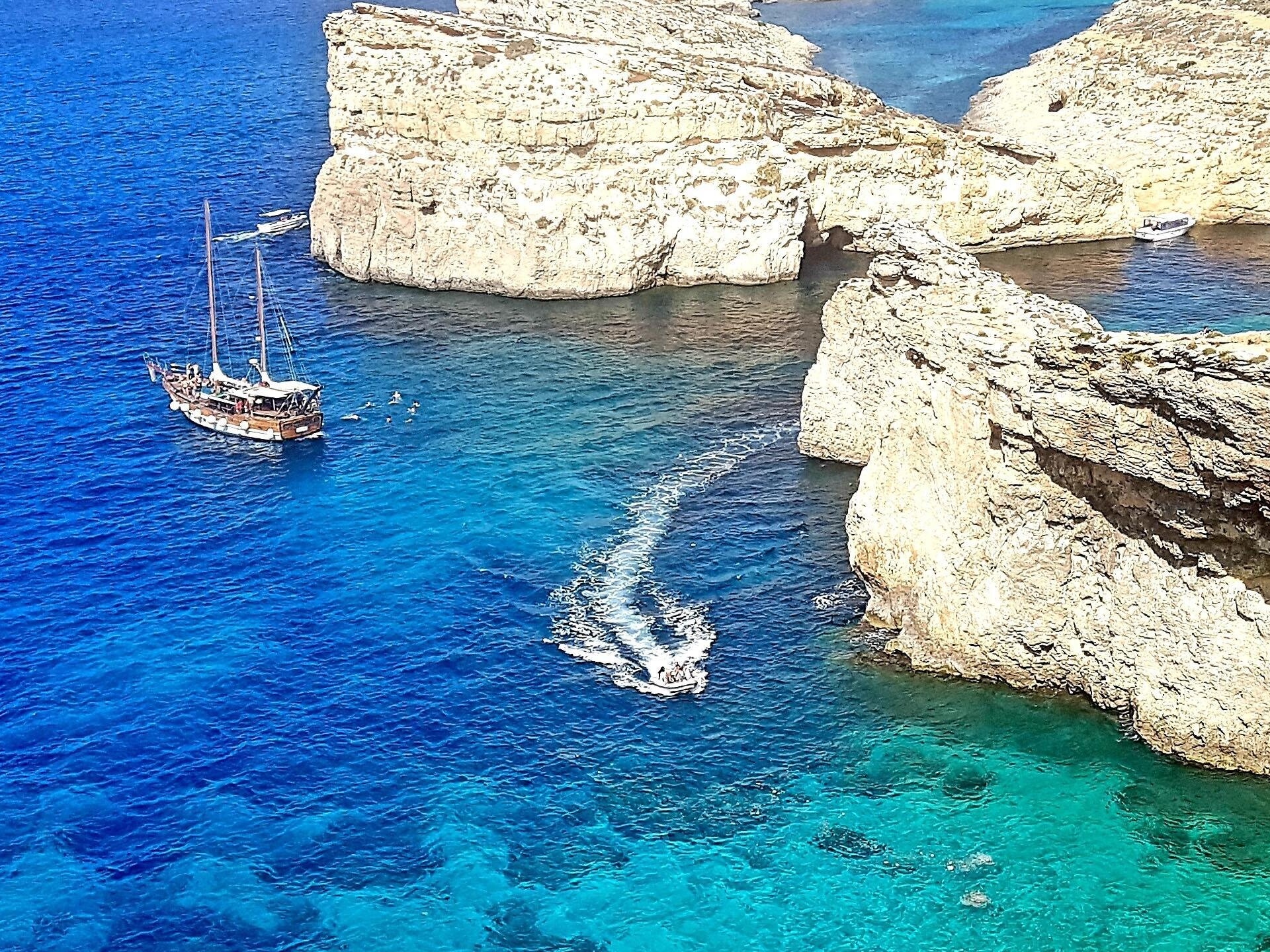
Malta's blue lagoon, better known as the Blue Lagoon, is one of the essential stops on any trip to the archipelago. This stretch of sea, tucked between the islands of Comino and Cominotto, reveals translucent waters over a sandy bed that give it a Caribbean feel in the heart of the Mediterranean. Two small white-sand beaches line its shores, among the finest in Malta. A word of caution, though: they are tiny, and spots to lay down a towel are scarce.
The Blue Lagoon and its coves rank among Malta's most sought-after spots, hugely popular with snorkelling enthusiasts. For the more adventurous, the roughly two-hour walk around Comino leads to the Crystal Lagoon, far less crowded, as well as St Mary's Tower, the Santa Marija Battery and an abandoned hospital from the Napoleonic era.
Departures leave from the small harbour of Ċirkewwa, where sea shuttles run across to Comino. Many cruises setting off from Sliema, Buġibba or St Paul's Bay also reach the lagoon.
| Option | Departure point | Price |
|---|---|---|
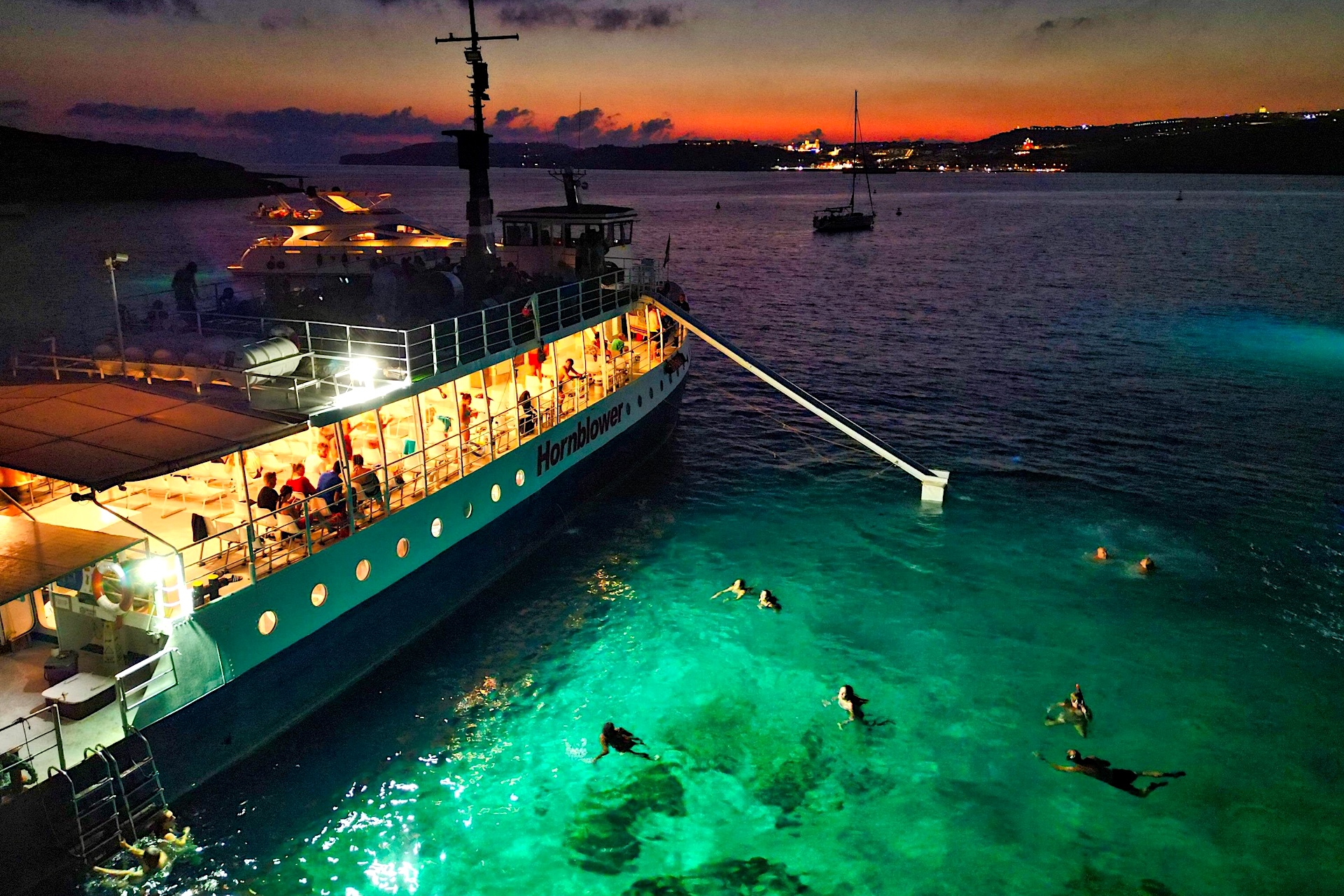 | St Paul's Bay | 30 € |
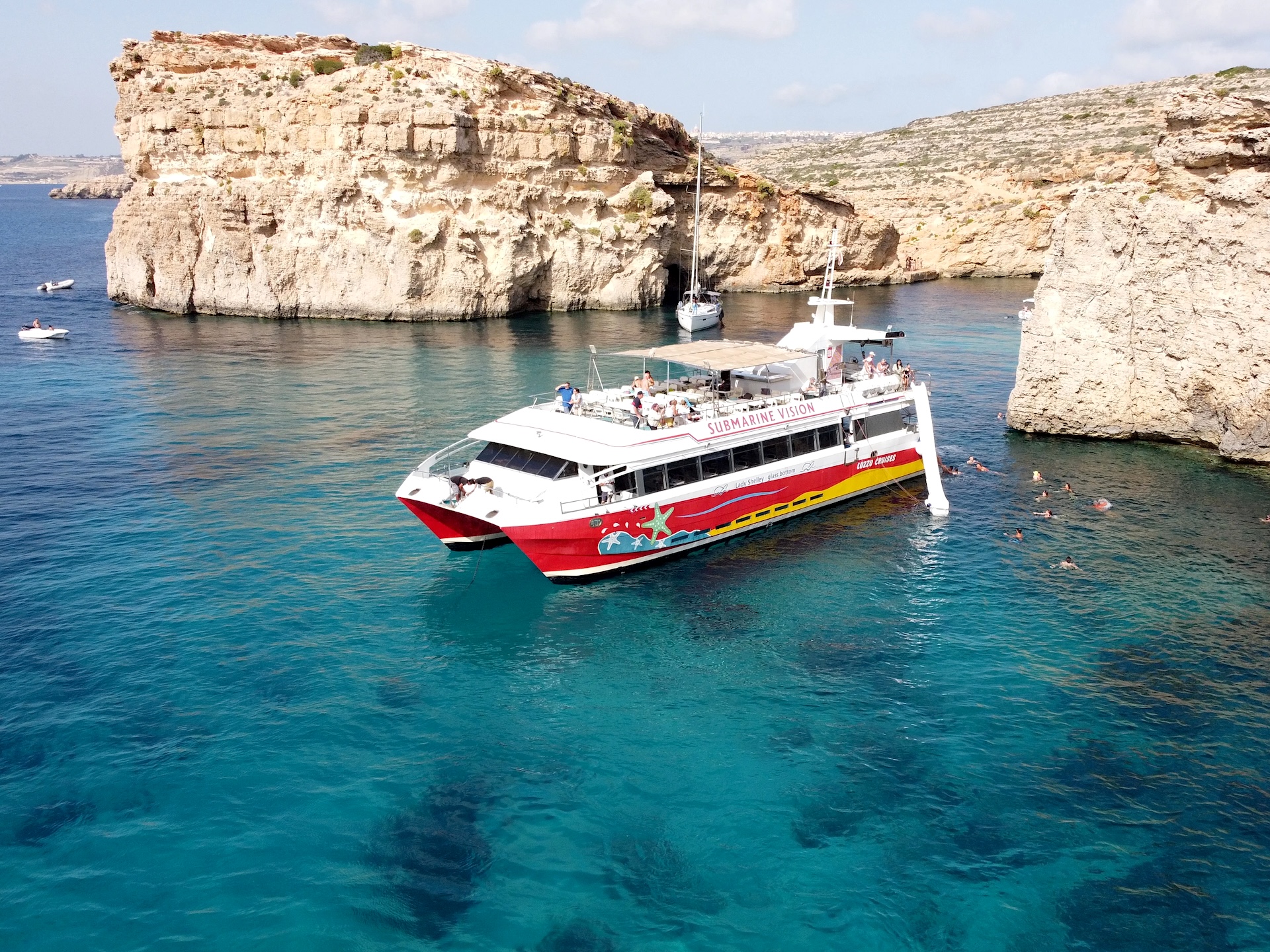 | Sliema | 35 € |
 | Mellieħa (Ċirkewwa) | 169 € |
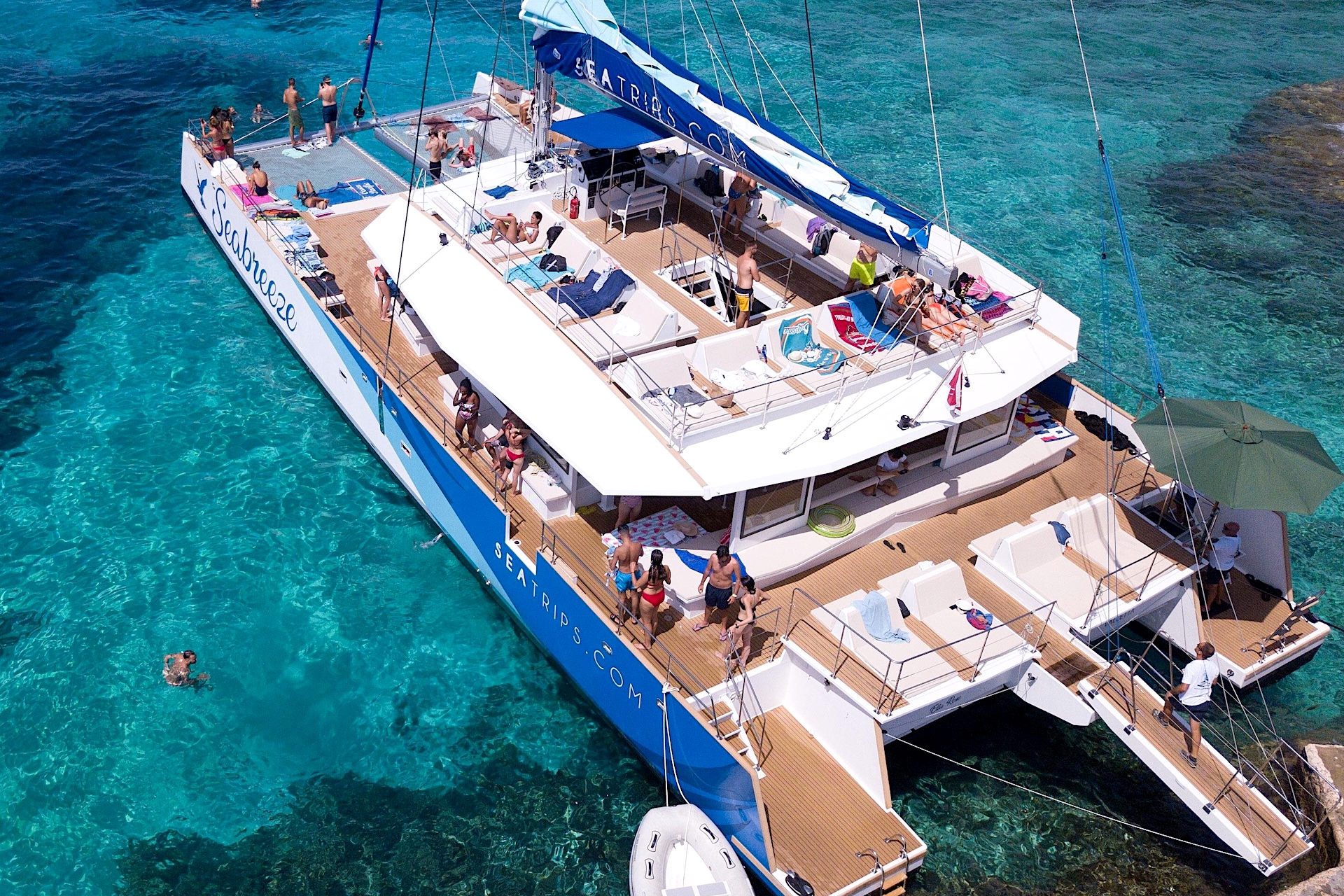 | St Paul's Bay (Buġibba) | 55 € |
Mdina, the Silent City
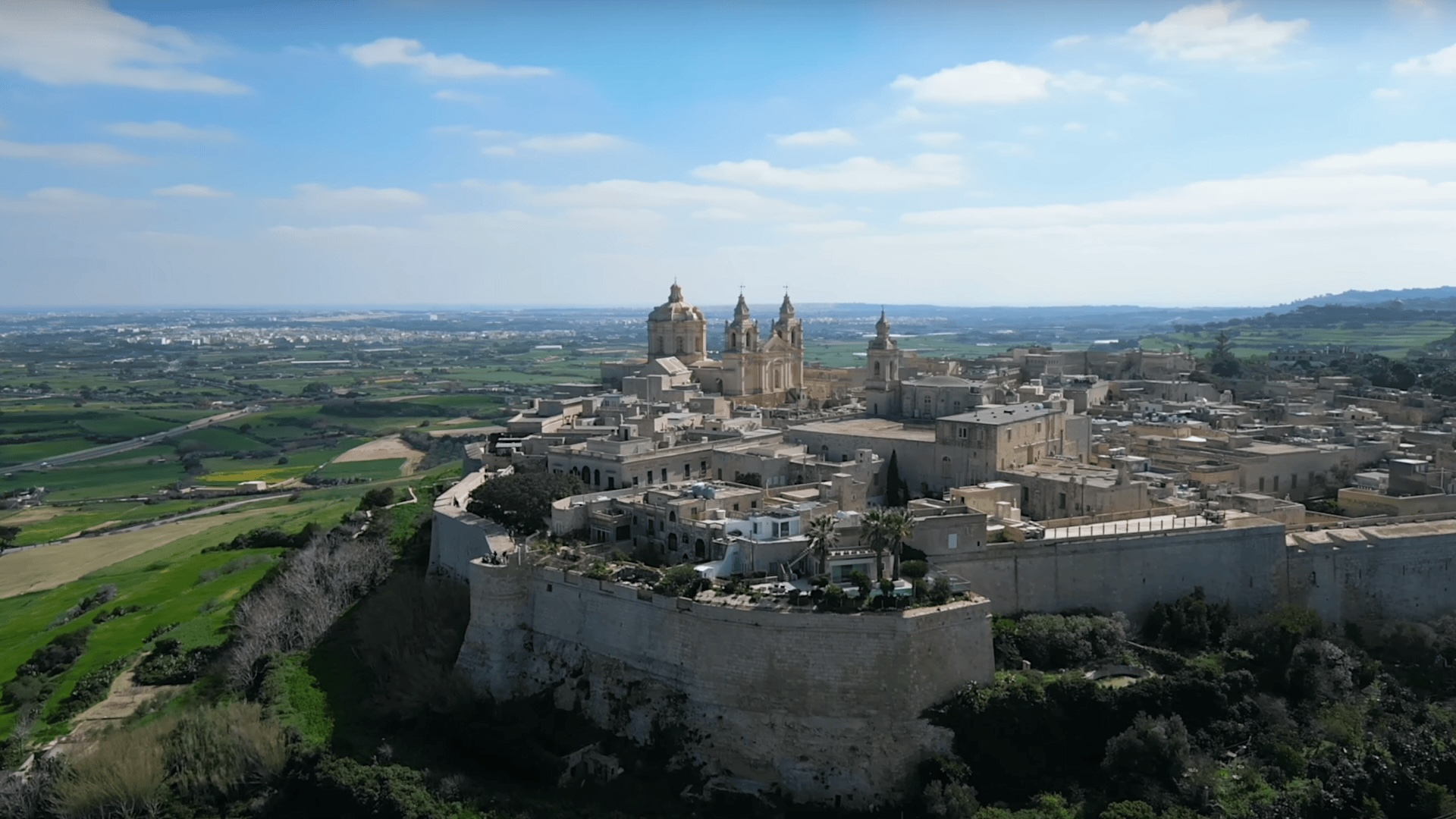
Malta's former capital, Mdina (L-Imdina) is a magnificent fortified city set in the heart of the island. With just 250 inhabitants, it is the country's smallest municipality. The town seems frozen in time since the Renaissance, which has earned it the nickname “The Silent City.”
Visiting Mdina means, above all, wandering through its narrow lanes, culminating in St Paul's Cathedral, a 17th-century architectural gem adorned with precious marble, frescoes and an impressive painted dome.
The visit is almost always paired with a stop at the Fontanella Tea Garden, a café-brasserie built against the ramparts that offers sweeping views over the Maltese countryside. Renowned for its cakes, it's the perfect place for a sweet break.
The Blue Grotto

The Blue Grotto is an iconic geological site in southern Malta, within the town of Żurrieq. The site actually comprises seven sea caves, the most impressive of which stretches 43 metres long and plunges to 40 metres deep. The crystal-clear waters, shifting between deep blue and turquoise green, put on a striking show: in places, you can make out the seabed, the water is so limpid.
It is usually explored aboard a luzzu, the traditional Maltese boat, for an authentic and immersive experience lasting around twenty minutes. Tickets are sold on site, but you can also combine the trip with a guided excursion between Marsaxlokk and the Blue Grotto. To make the most of the play of light on the rock, it's best to go in the morning.
A viewpoint reached from the road leading to Żurrieq lets you admire the vast limestone arch from another angle and capture the perfect shot. A true natural jewel, the Blue Grotto ranks among the island's most remarkable sites.
Popeye Village
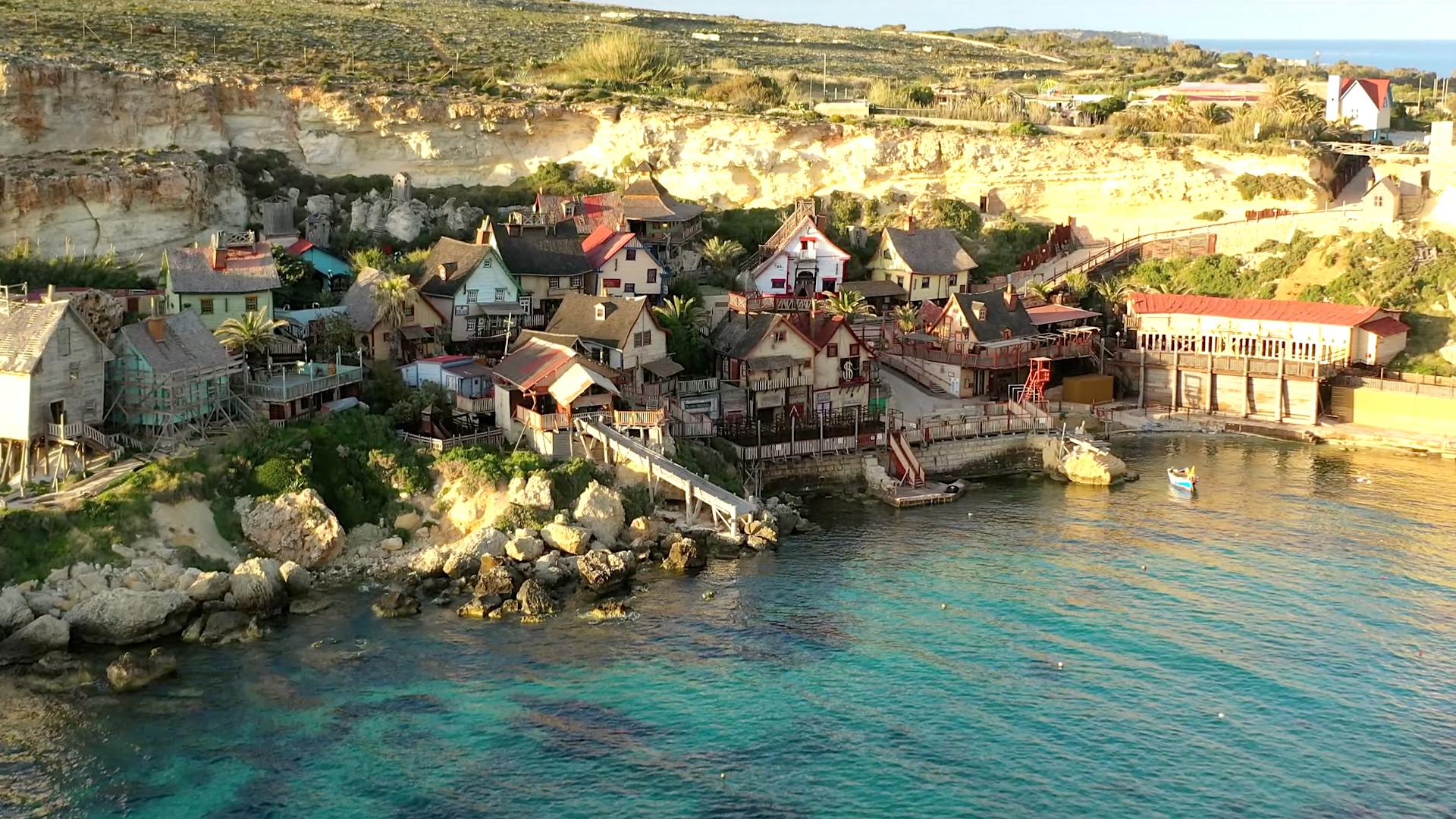
Popeye Village (or Sweethaven Village) is a theme park on the outskirts of Mellieħa. It was originally built as the set for the musical “Popeye” in 1980. Since then, the original sets of colourful wooden cabins have been preserved and turned into a tourist attraction.
Beyond the immersive experience, the park offers a wealth of activities for the whole family: inflatable water structures, a cinema, a comic-strip museum, mini-golf, live shows and more. An essential outing for families travelling to Malta with children.
Tickets for Popeye Village can be bought online or on site; booking ahead is recommended in high season and during events, as spaces can be limited. Fun and immersive, the visit will delight the youngest visitors as much as adults who've kept their inner child.
Mellieħa and Its Beaches
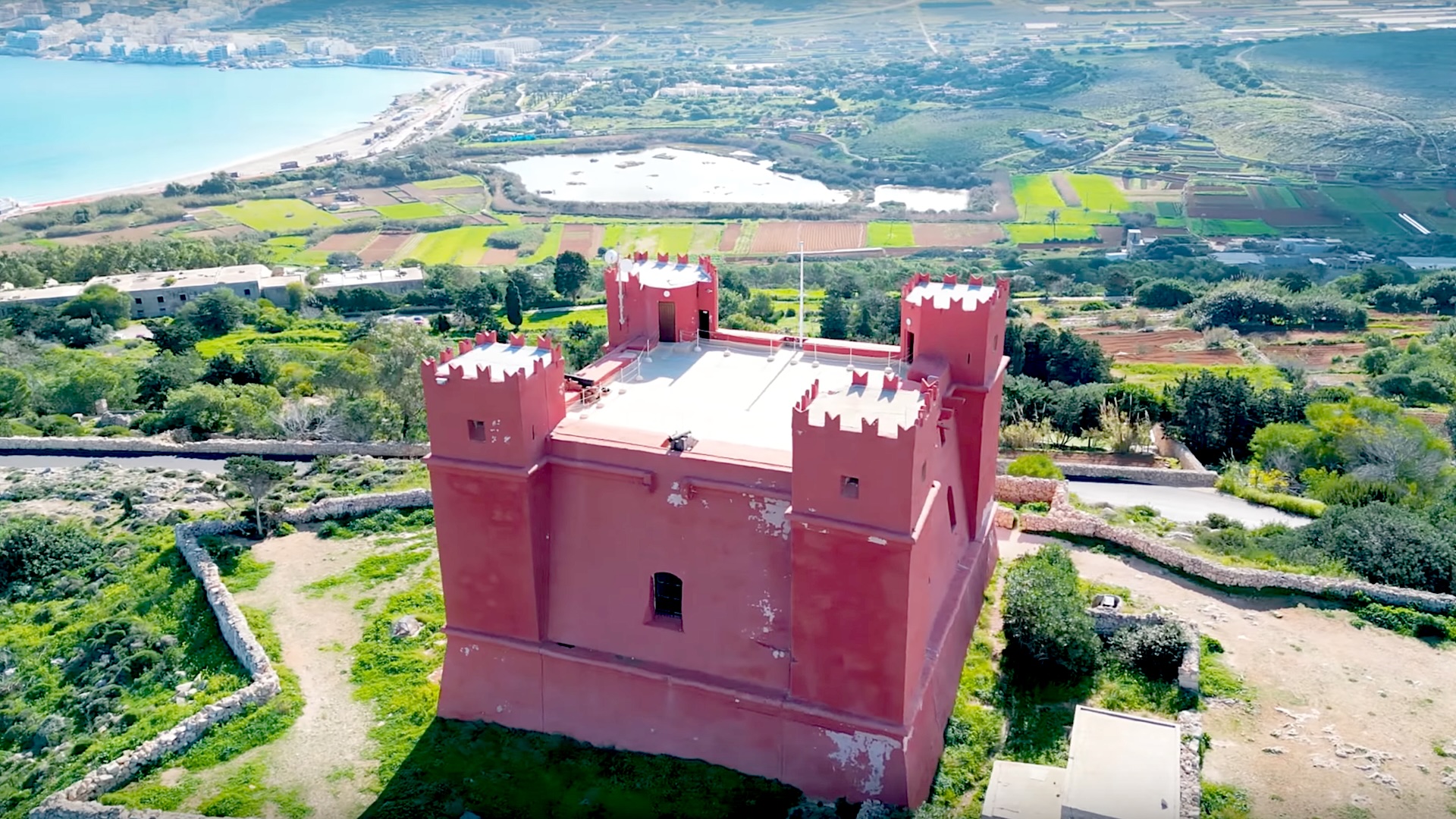
Often overlooked in guidebooks, Mellieħa nonetheless richly deserves a visit, starting with its greatest asset: its coastline.
This is where you'll find Malta's leading beaches, including the emblematic Golden Bay to the west and Għadira Bay to the east, the largest and best-equipped. Other coves, such as Little Armier or Paradise Bay, dot the north. So for sun-seekers and families after a day at the beach, Mellieħa is the place to head.
The area is also a paradise for hikers. The coastal trail linking Mistra Bay to the Coral Lagoon, some 12 km long, crosses unspoilt and at times lunar coastal landscapes. Along the way you'll come across St. Paul's Island, the secluded Imġiebah beach, Saint Agatha's Tower (the famous “Red Tower”) and the celebrated Coral Lagoon, an impressive cavity carved into the rock.
Mellieħa is, finally, a charming town centre perched above the sea. Up on the heights, the Sea View Café offers one of the finest views on the island.
The Temples of Ħaġar Qim and Mnajdra and the Ħal Saflieni Hypogeum
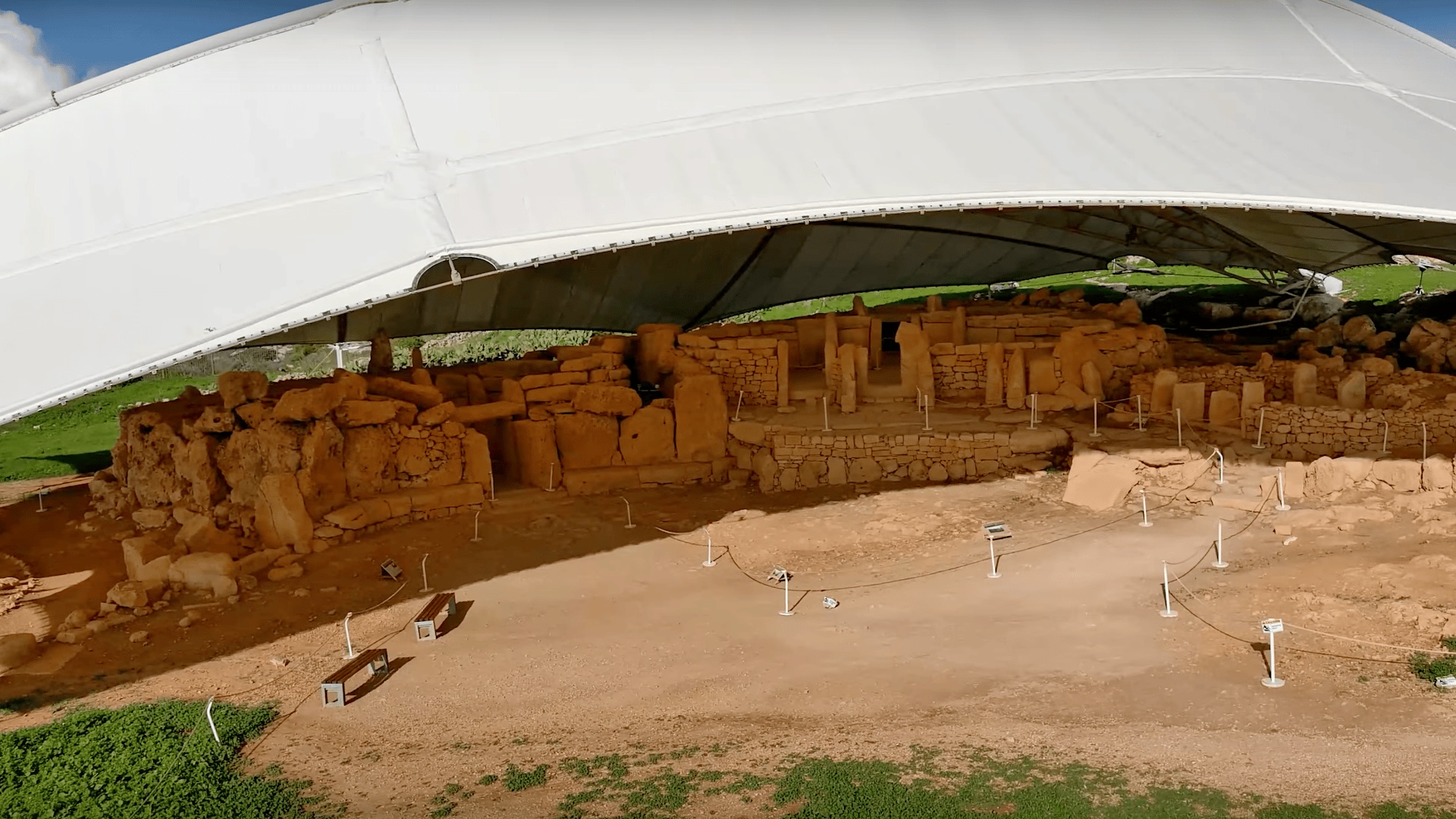
Malta is famous for its knightly past, but also for its first-rate archaeological sites. Several of them are recognised by UNESCO as being of outstanding universal value, including the megalithic temples and the Ħal Saflieni Hypogeum. These Neolithic sites are scattered across the four corners of the archipelago.
The Ħal Saflieni Hypogeum
Located in Paola, the Ħal Saflieni Hypogeum is an impressive prehistoric underground complex dating from around 4000 to 2500 BC. First a sanctuary, it later became a necropolis holding the remains of nearly 7,000 individuals. Cut into the limestone, it comprises three levels of burial chambers decorated with red-ochre paintings, making it a site unique in Europe. It was here that one of Malta's most iconic works was discovered: the “Sleeping Lady.” As access is strictly limited, booking is done well in advance.
The Megalithic Temples of Ħaġar Qim and Mnajdra
Malta's megalithic temples are among the oldest free-standing stone structures in the world. Built from enormous limestone blocks, they bear witness to advanced engineering and a unique prehistoric ritual culture. Set against the cliffside, Ħaġar Qim and Mnajdra are the most spectacular to visit: the former astounds with its carved altars and statues, the latter intrigues with its astronomical alignment. A stone's throw from the Blue Grotto, the two can easily be explored in a single half-day.
St Peter's Pool
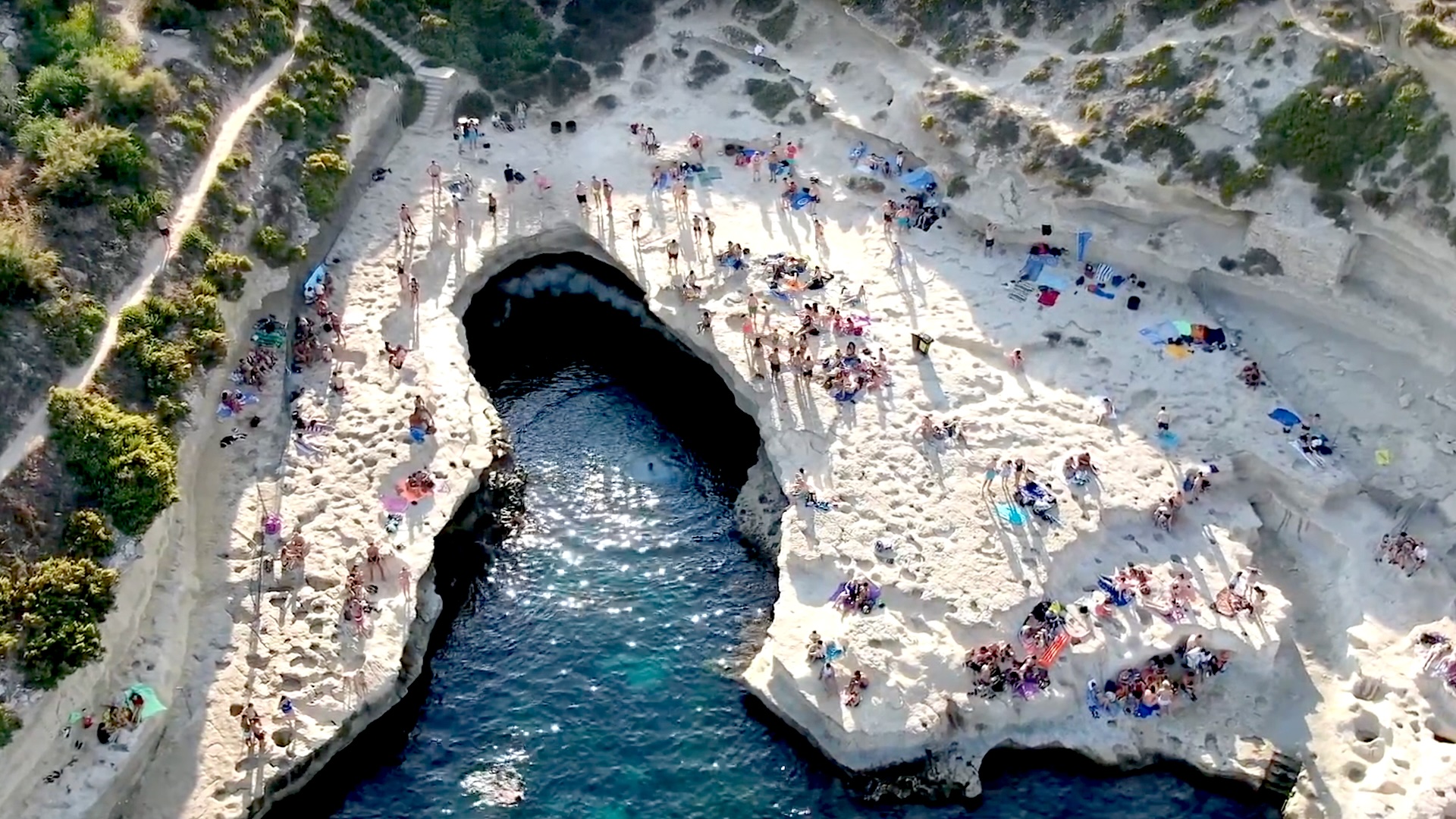
St Peter's Pool is a cove unlike any other in Malta, a rocky basin overlooked by a natural ledge two to three metres high. An ideal spot for cliff-jumping and thrill-seekers, or simply for anyone after an unusual place to swim.
The site sits in Delimara (Marsaxlokk), not far from the famous fishing village. Getting there by car is tricky, parking is very limited, and you then have to walk around 500 metres along a steep road. It's well worth the effort, all the same.
Very popular, especially with young people, the spot gets busy in high season. About a hundred metres away, towards the “Remarkable Stones,” a small cove offers a quieter swim, away from the crowds.
Unfortunately, the site is not suited to people with reduced mobility. It's advisable to bring water shoes and to go only in calm weather: exposed to the waves, the cove can become dangerous in heavy swell.
The Three Cities
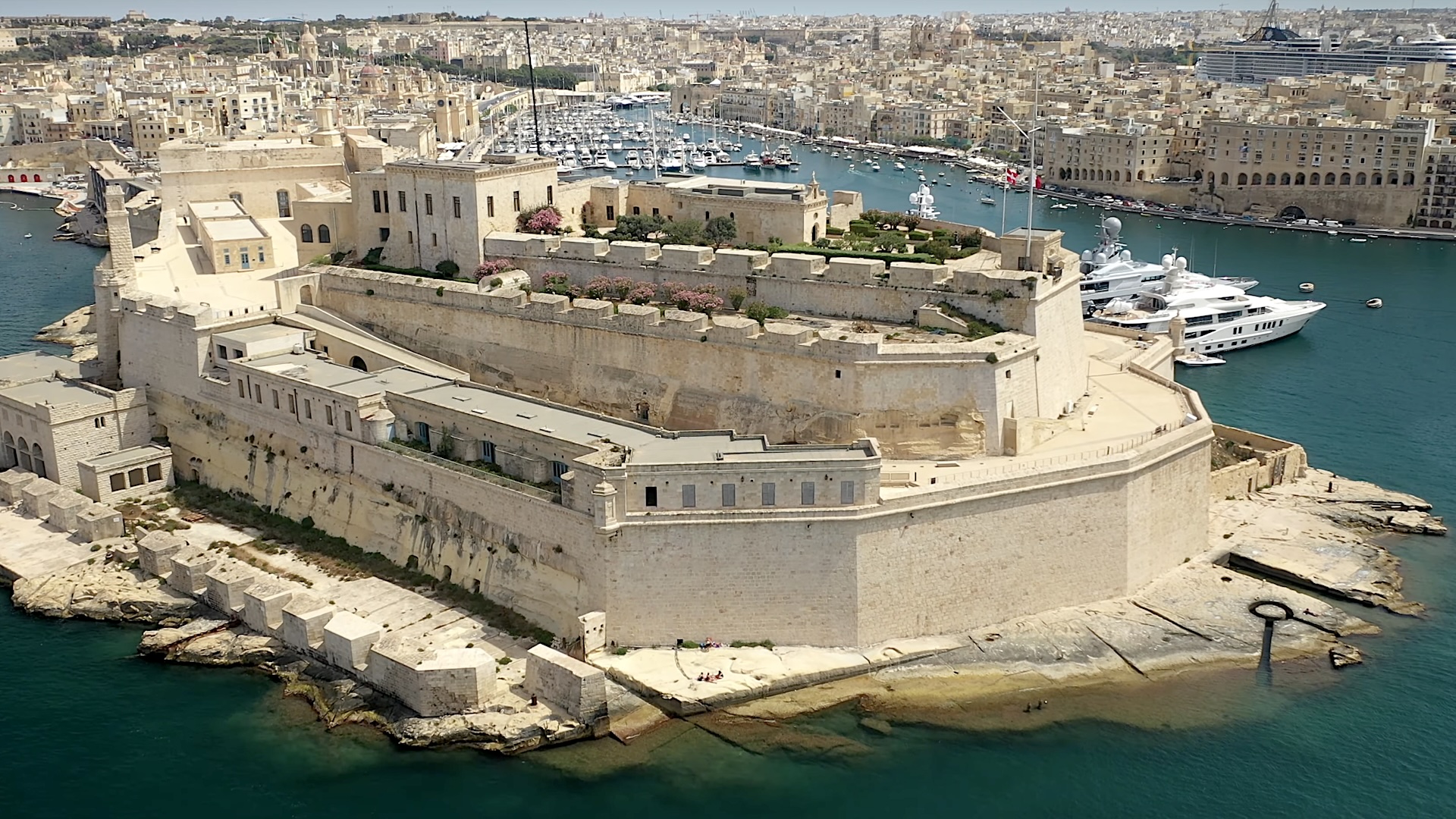
The Three Cities are the three towns facing Valletta: Cospicua (Bormla), Senglea (L-Isla) and Vittoriosa (Il-Birgu). They are famous for having been the stage of the Great Siege of 1565, which gives them great symbolic significance.
Built in the age of the Order of Malta and the great naval battles, these small fortresses still carry, within their walls, the memory of the siege that played out across the Grand Harbour. The Three Cities offer a fascinating glimpse into Malta's history, along with fine viewpoints from the fortifications.
The ideal approach is to cross the Grand Harbour by boat from Valletta, then explore the lanes of the three towns. Vittoriosa is arguably the most interesting: it's home to many buildings marked by the legacy of the Knights of St John, such as Fort St Angelo and the Inquisitor's Palace. A guided tour helps you grasp the importance of each monument and relive the story of the Great Siege.
Marsaxlokk
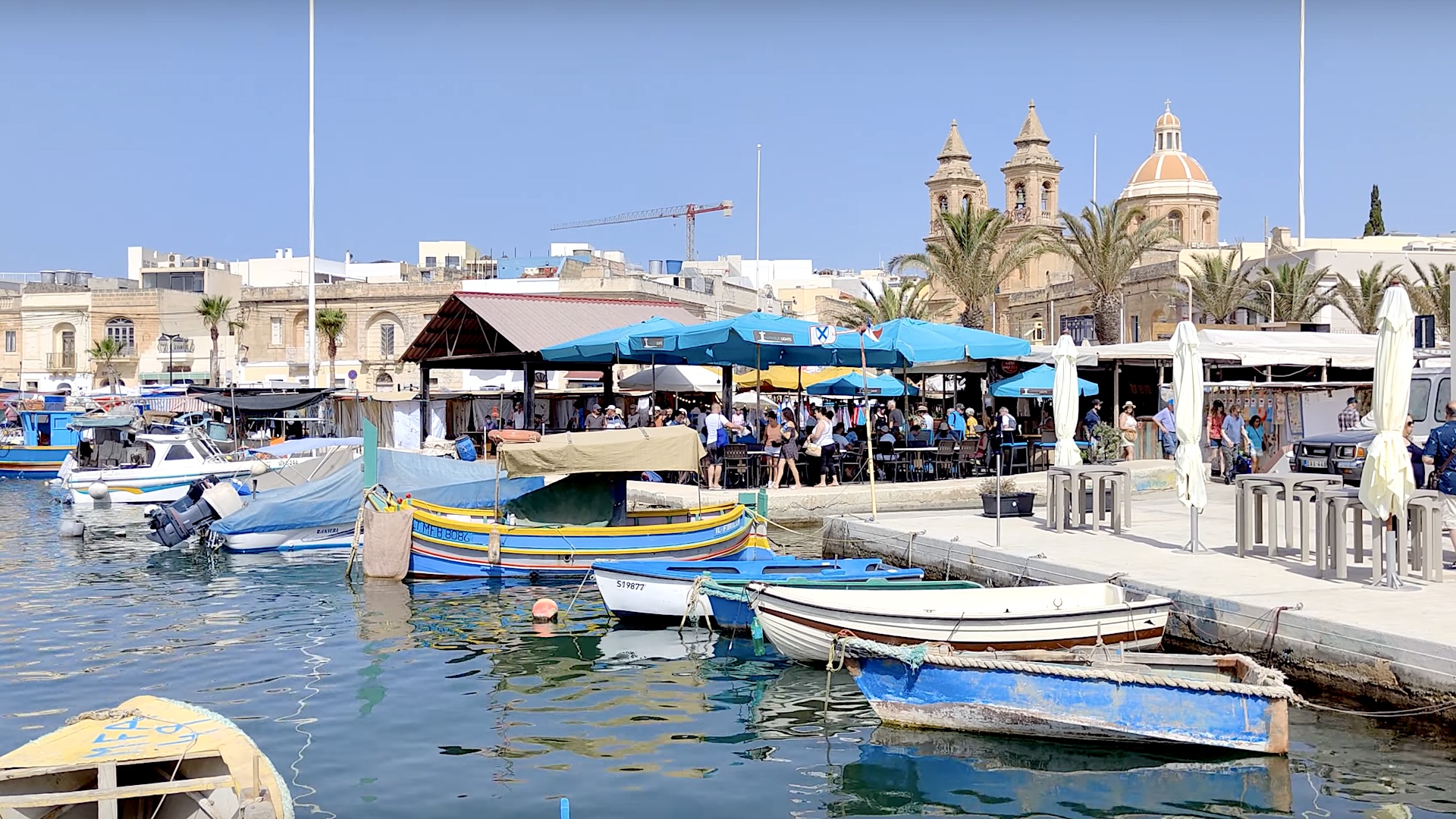
Tucked into southern Malta, Marsaxlokk is a charming coastal town renowned for its fishing harbour and authentic atmosphere. Its picturesque basin is home to a multitude of luzzu, the traditional boats in dazzling colours, adorned with the iconic Eye of Osiris said to protect the sailors.
Every Sunday, the town comes alive around its famous market: locals and visitors stroll among the stalls of fresh fish, seafood and artisan goods, for a truly sensory experience.
Marsaxlokk also lends itself to pleasant strolls along the waterfront, between cafes and restaurants serving Maltese specialities. It's the perfect place to savour grilled fish with a glass of local wine, or to set off on a boat trip from the harbour. On Sundays, it's best to plan your visit to the market early in the day to avoid the crowds.
From the Baroque splendour of Valletta to the turquoise waters of the Blue Lagoon, Malta packs a rare density of exceptional sites into a tiny stretch of land. Ten essentials for a first trip, to round out as the mood takes you, between the treasures of Gozo and the archipelago's finest beaches.