Where in the World Should You Learn English?
Speaking English opens doors, and when evening classes and binge-watching series in the original version no longer cut it, immersion remains the most effective method. A university exchange, a language-study trip or a job abroad: every destination has its strengths, its price tag and its constraints. Here are the 10 best countries in which to learn English, and what each one will really do for you.
England

English is spoken in 59 countries, but it comes from England first and foremost. It is therefore only natural that this is where you will learn the most standardised English of all, the variety known as the Queen’s English or BBC English.
Although England sits just across the Channel from mainland Europe, its culture still feels like a genuine change of scene. The country offers very different settings depending on the city: urban life in London, Manchester or Liverpool, or a seaside atmosphere in Brighton, Bournemouth or Bristol.
The two drawbacks are well known: the weather and the cost of living. You will soon grasp the full meaning of the expression it’s raining cats and dogs, and you will need a substantial budget, whether for a language-study trip or a longer stay.
In return, the academic environment is exceptional, with world-class institutions such as Oxford and Cambridge. The country attracts more than 300,000 international students every year. As for English schools, they are everywhere: in the major cities, along the coast and, of course, in London.
Malta
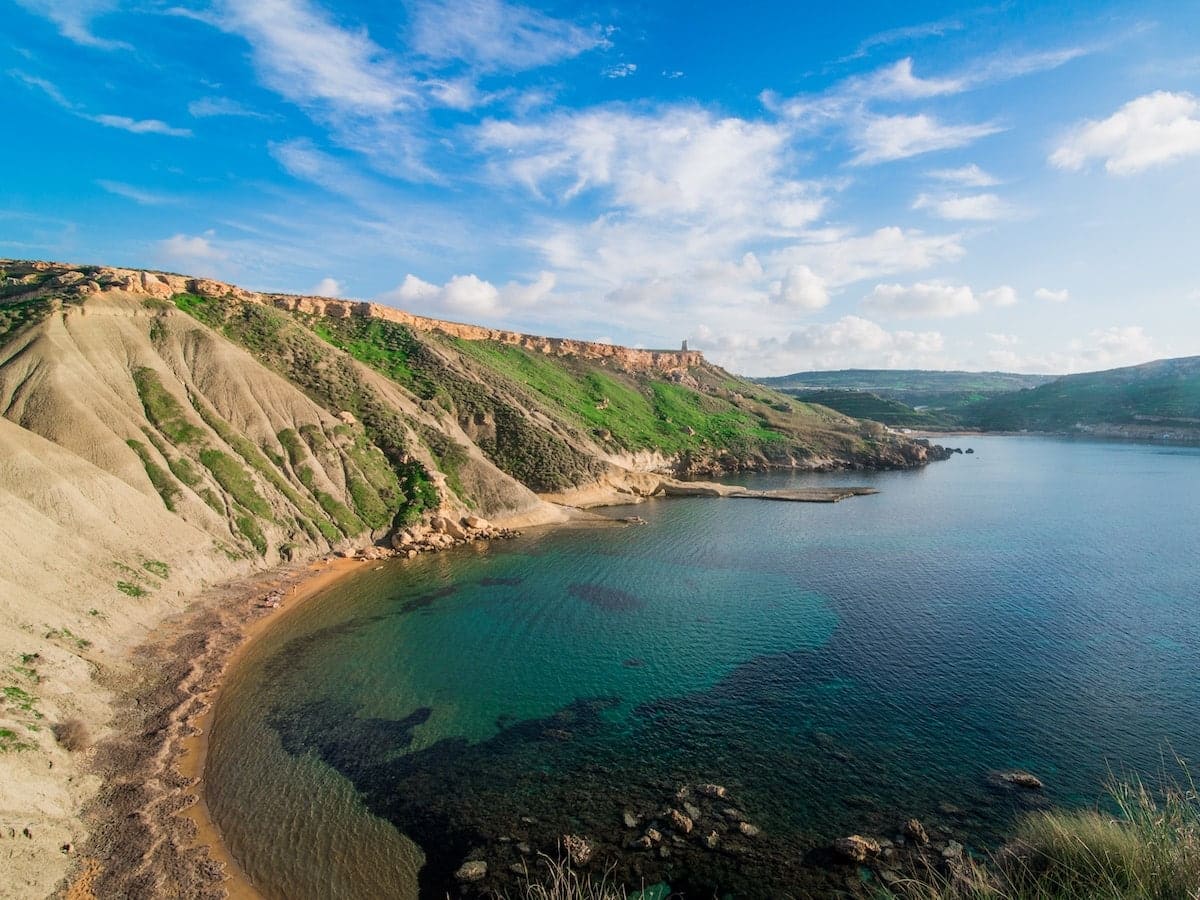
This small archipelago off the coast of Sicily has become a leading destination in just a few years. A former British colony, Malta has kept English as one of its two official languages.
On top of the Mediterranean setting comes a distinctly international atmosphere, sustained by a large expat community. People come for the sun and the sea, and stay for the people they meet. That combination is precisely what makes learning English in Malta such a success.
The island has a university in Msida, but it is the language schools that have built its reputation: every year, close to 76,000 students from all over the world come to learn English at one of the 31 ELT Council-certified schools. Prices well below those in England seal the deal.
Ireland
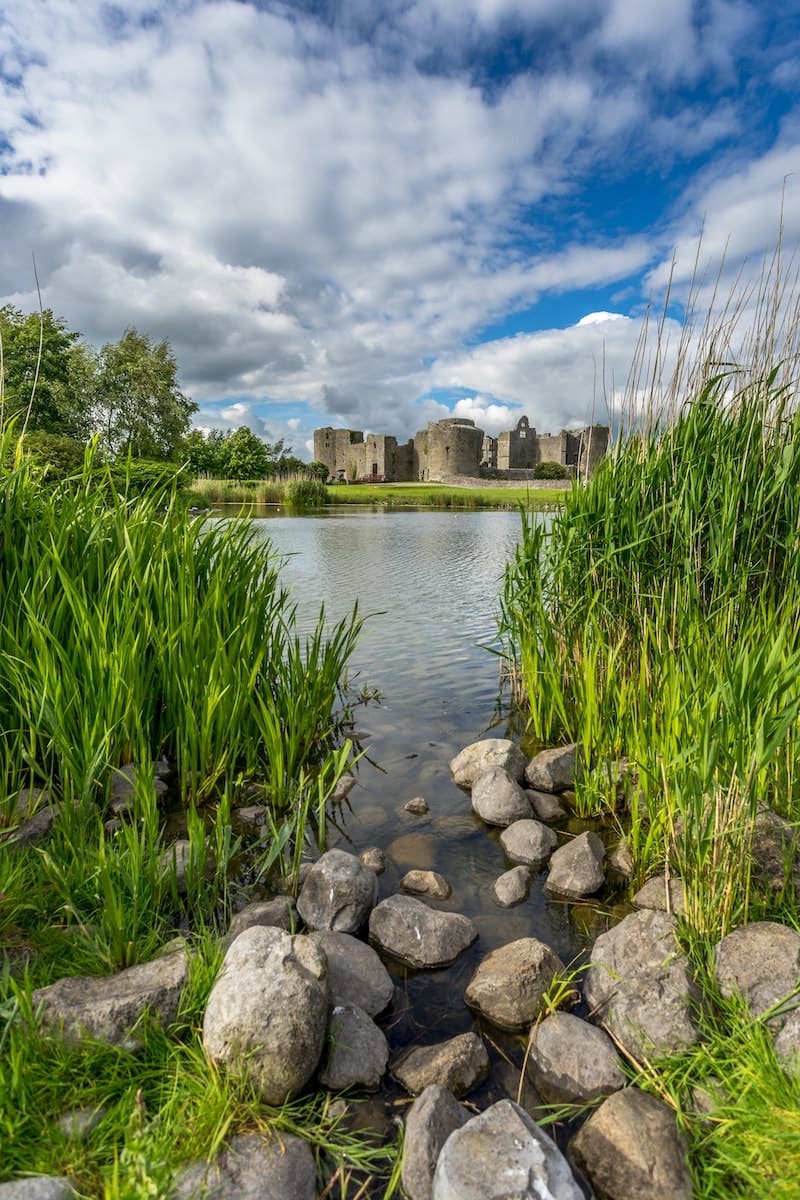
The Emerald Isle has some solid arguments: a population famous for its warm welcome, landscapes and folklore that feel like another world, and a large international student community that makes settling in much easier.
Going to Ireland generally means choosing between Dublin and Cork. The capital wins on energy and student life; Cork, being smaller, comes out on top for friendliness and authenticity. Either way, pack a raincoat: the Irish climate is very wet.
The country has only 9 universities, which keeps the choice simple if you are heading there on a university exchange. On the other hand, Ireland hosts the European headquarters of many tech companies, from PayPal to Google, which are constantly recruiting international profiles for their global operations. A good way to combine work and learning.
When it comes to language-study trips, specialist schools are plentiful. Prices are slightly lower than in England: still budget around €1,500 for two weeks, depending on the number of lessons and the type of accommodation.
Scotland

In the north of the United Kingdom, Scotland cultivates a strong identity against a wild, mountainous backdrop, from the lochs of the Highlands to the peaks of the Cairngorms. It is the destination for you if you love rugby, authenticity and rural landscapes.
One word of caution: the Scottish accent is hard to follow at beginner level (A1 or A2). Fortunately, international students are numerous in Glasgow and Edinburgh, and the English schools there welcome international groups that make those first steps easier.
On the funding side, be aware that tuition-fee support through the SAAS scheme is reserved, subject to conditions, for residents of Scotland: since Brexit, European students are no longer eligible and should aim instead for the merit scholarships offered by the universities.
Wales
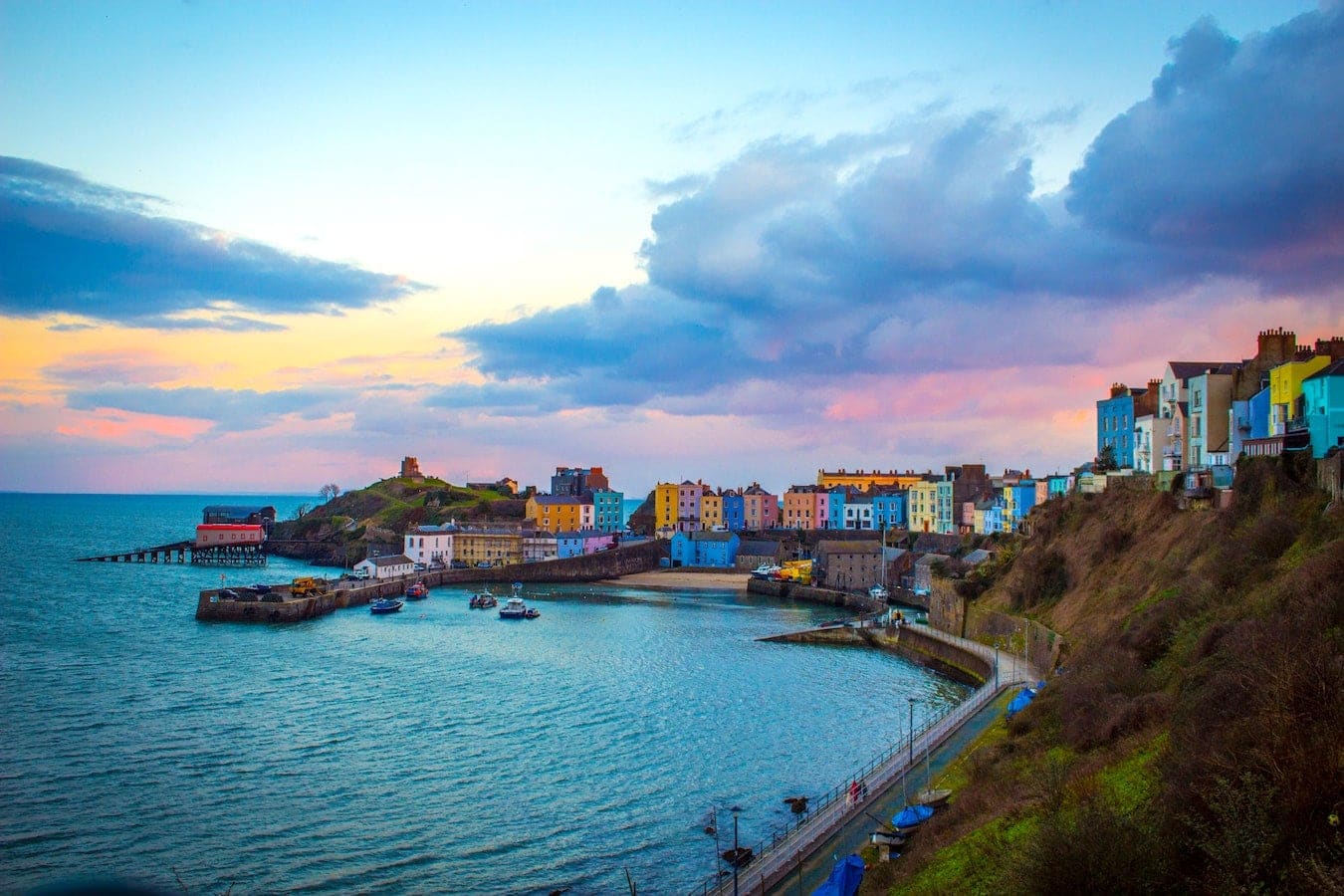
In the south-west of Great Britain, Wales offers an excellent alternative to the rest of the United Kingdom. This small country of 3 million people boasts an unspoilt environment of hills and mountains, underpinned by a very much alive Celtic culture.
Do bear in mind, however, that the Welsh accent can throw you on a first language-study trip.
Cardiff and Swansea are home to most of the students. These two coastal cities are prized for their atmosphere, their nightlife and their cultural calendar. Universities and language schools are well represented in both.
United States

The United States remains the destination people dream about most. Getting there takes preparation, though: you have to cross the Atlantic, but above all you have to clear a demanding administrative obstacle course.
The academic landscape is an undeniable strength. The country has more than 18 million students, including 1 million from abroad, spread across more than 4,000 higher-education institutions. Sixteen of the world’s twenty best universities are American, according to the Shanghai Ranking.
For an immersion stay, the choice is dizzying: the country is vast and English schools are countless. You could aim for New York with the Brooklyn School of Languages or Miami with Oxford House. The hardest part will be picking your home base.
Canada

Canada blends Anglo-Saxon culture with a European heritage across a vast territory, at once wild and highly urbanised in its major cities. Above all, it is the land of great unspoilt open spaces.
For English, you are better off steering clear of largely French-speaking Quebec and heading for Alberta or British Columbia instead. The country is one of the most open to international students, welcoming close to half a million young people into its university programmes every year.
Language schools abound, from Toronto to Vancouver via Victoria. Another possible route is to combine work and learning. The International Experience Canada program, open to 18-to-35-year-olds from many countries depending on nationality, remains one of the best ways to learn English while funding your stay.
Australia

Australia draws students, backpackers and young people looking for adventure. The country is famous for the Great Barrier Reef, the desert expanses of the Outback and its kangaroos.
Its trump card is economic: the job market is buoyant and unemployment low, so it is relatively easy to find work to fund your stay. Farms are constantly recruiting and pay enough to live on while you learn English.
Two downsides, however: the upfront budget and the paperwork. Allow around €8,000 for the flight and the first few months, and leave plenty of time for the visa, whether it is the eVisitor (subclass 651), the ETA (subclass 601) or the working holiday visa, available up to age 30 or 35 depending on your nationality.
Melbourne, Sydney and the cities of Queensland make the best home bases for a university exchange or a language school.
New Zealand

This is arguably the most far-flung destination in this selection, and one of the most spectacular. New Zealand offers pristine landscapes between sea and mountains, the very ones that served as the backdrop for The Lord of the Rings, Avatar and The Last Samurai.
The price of the plane ticket puts many people off making the trip to the “land of the long white cloud”. But once you are there, the quality of life and the infrastructure more than live up to the journey.
South Africa

African destinations are still rare choices for a language-study trip, even though the continent has 22 English-speaking countries, from Ghana to Kenya via Mauritius, Uganda and the Seychelles. Among them, South Africa, a founding member of the Commonwealth, is by far the most popular destination.
The “rainbow nation” offers a unique cultural melting pot, with no fewer than 12 official languages, in which English remains the language everyone uses to communicate. There is no shortage of unforgettable things to do, from safaris to hiking.
The cost of living is low, which makes English courses extremely competitive. The country is, however, going through a period of political instability, and crime is a real concern in some areas. A destination best kept for seasoned travellers: check with your consulate before you go.