8 Reasons to Visit Malta
Is Malta really worth visiting? The figures go some way to answering that: according to the NSO (National Statistics Office), the archipelago welcomed 4,022,310 tourists in 2025, a record and 12.9% more than the year before, in a country of barely 316 km².
UNESCO-listed heritage, crystal-clear sea, nearly 3,000 hours of sunshine a year, festivals, safety and English spoken everywhere: here are the 8 reasons behind that success, with verified information and practical tips to plan your visit.
1. UNESCO-listed historic heritage
Despite its area of just 316 km², Malta has three UNESCO World Heritage Sites, all listed since 1980:
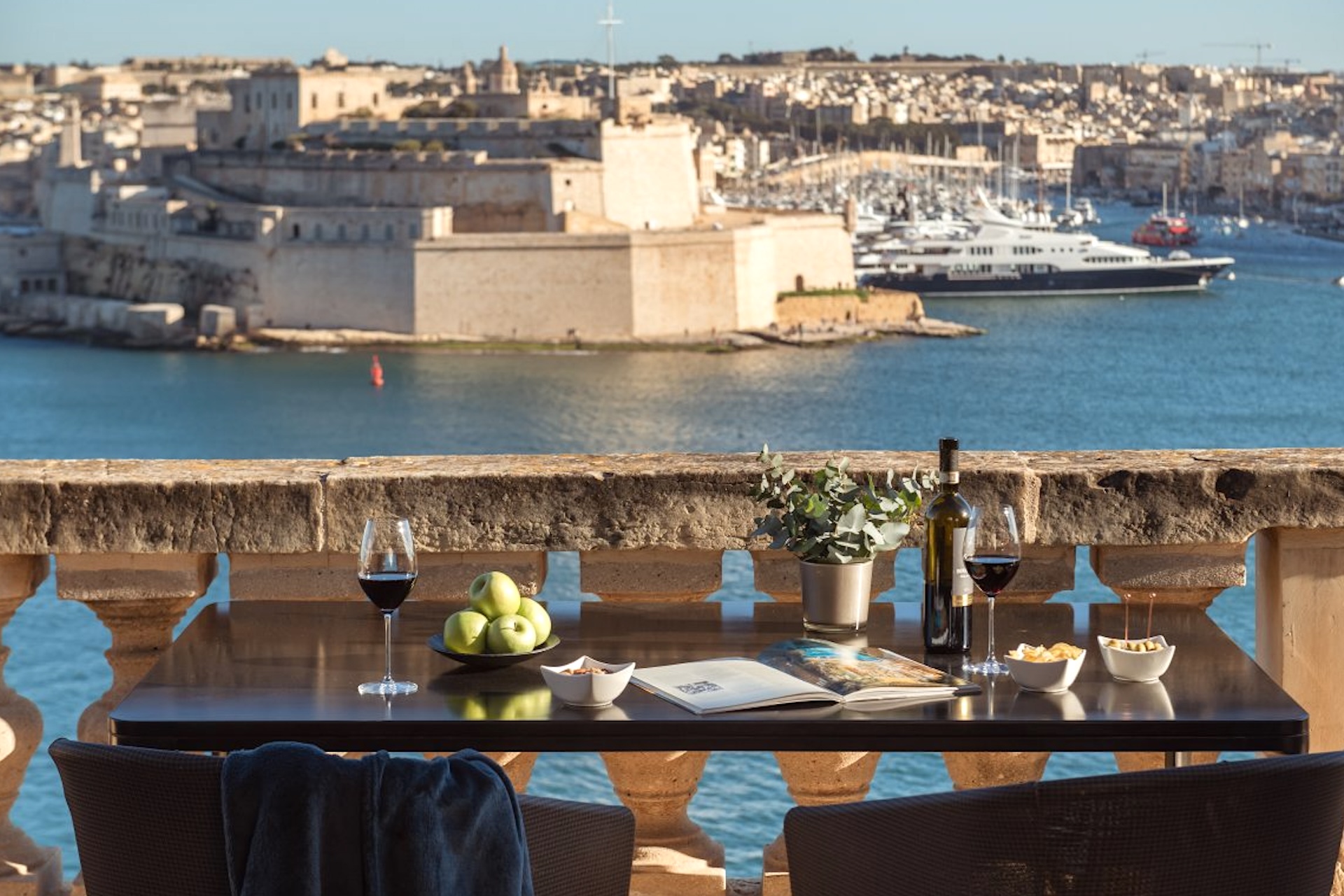
- The City of Valletta: the capital built by the Knights of St John after the Great Siege of 1565 packs some 320 monuments into 55 hectares, one of the densest concentrations of historic sites in the world. Our guide to Valletta and our list of 13 places to visit in the capital will help you plan your visit.
- The Megalithic Temples: seven temples spread across six sites (Ġgantija in Gozo, Ħaġar Qim, Mnajdra, Ta’ Ħaġrat, Skorba and Tarxien). The oldest date back to around 3600 BC, several centuries before the Egyptian pyramids.
- The Ħal Saflieni Hypogeum: a sanctuary and burial site carved entirely out of the rock in the Neolithic period, unique in the world for its state of preservation.
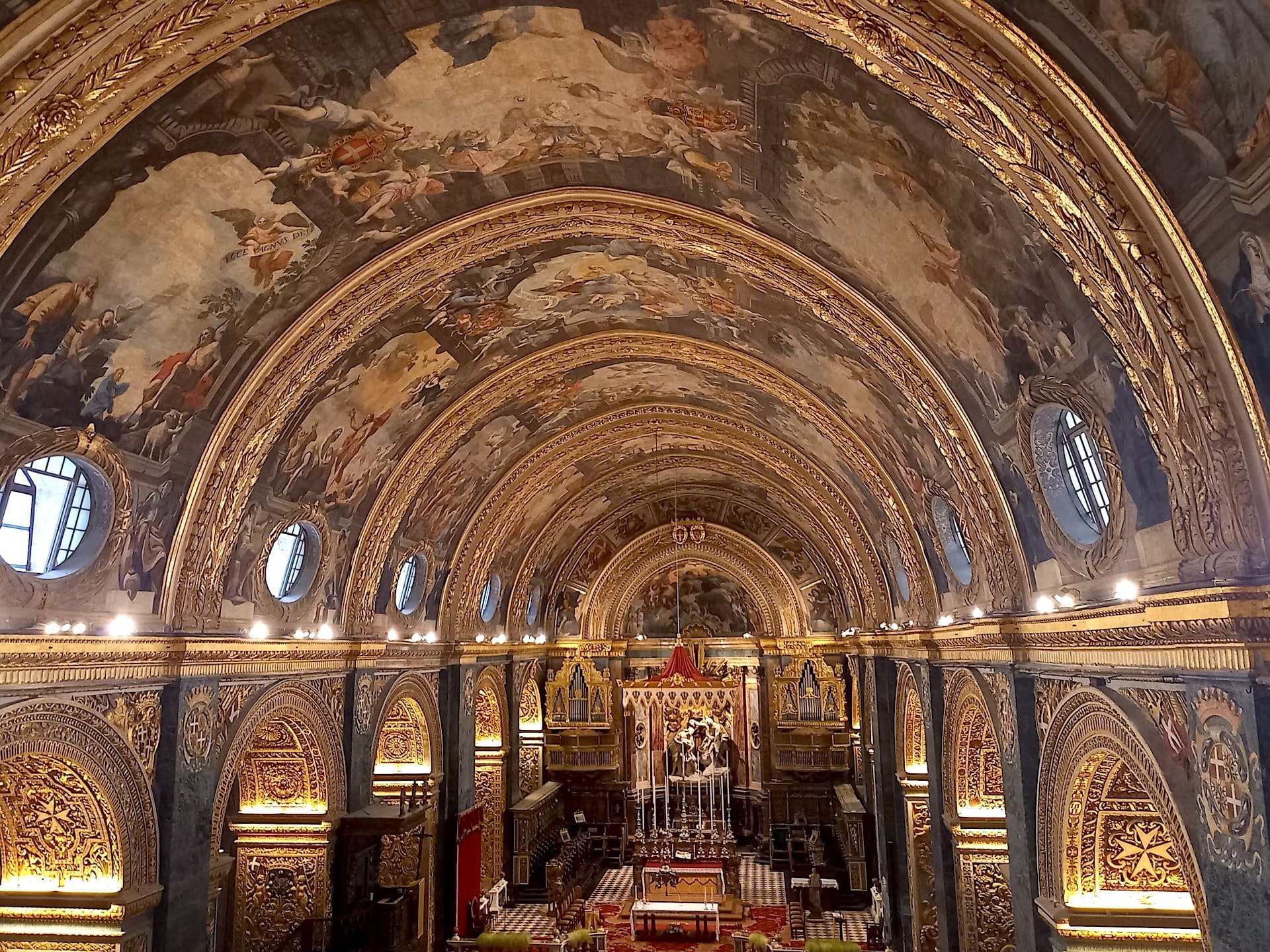
Beyond these three sites, every era has left its mark: Phoenicians, Romans, Arabs, Normans, the Knights of the Order of St John, the French and then the British until independence in 1964. St John’s Co-Cathedral houses Caravaggio’s The Beheading of Saint John the Baptist (1608), the only painting the artist ever signed, while the medieval city of Mdina shows a completely different side of Malta, silent and fortified. To get to grips with the capital in a morning, the Valletta walking tour with St John’s Co-Cathedral is a good place to start.
2. Outstanding beaches and coastline
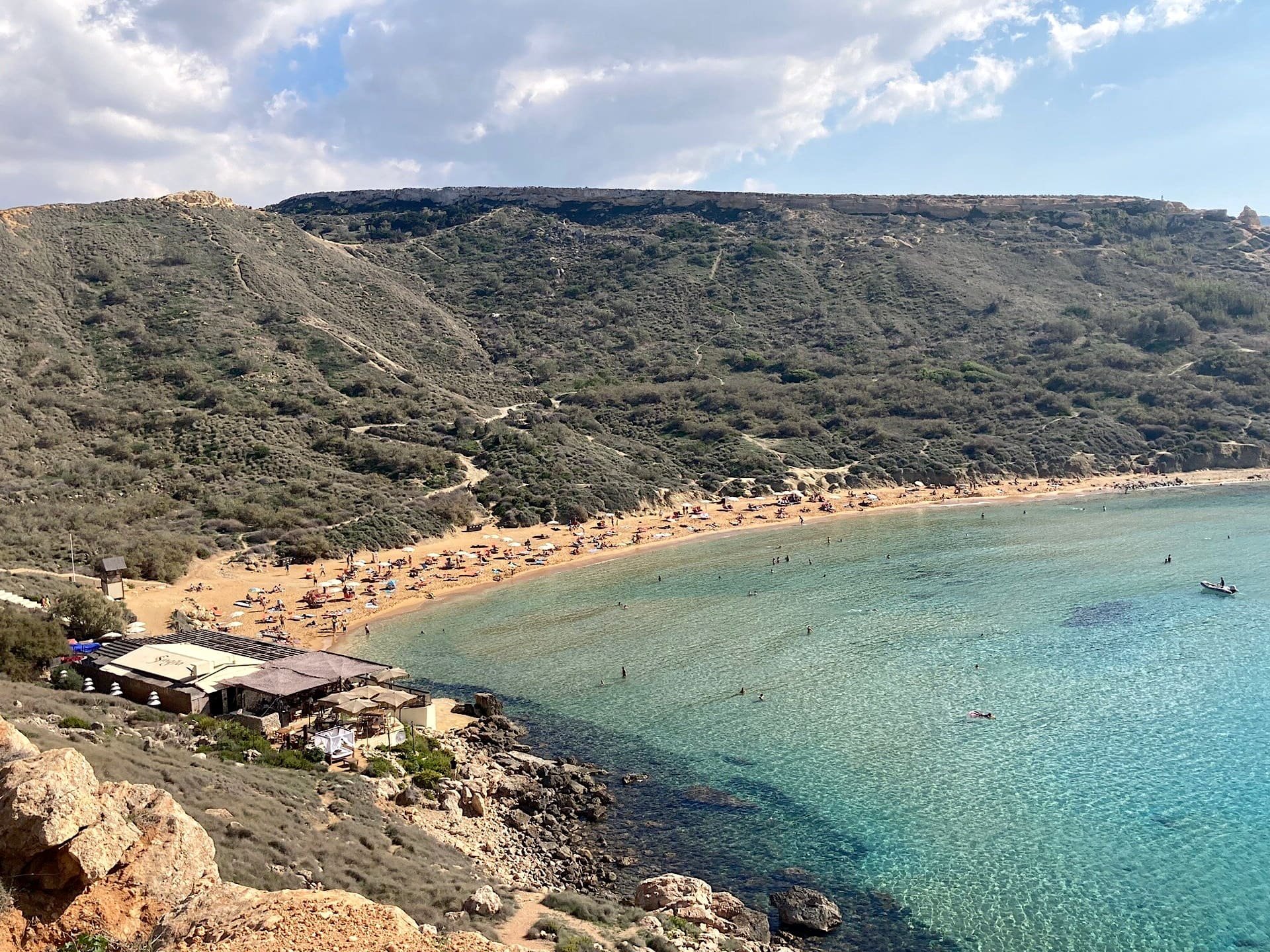
Malta’s coastline is above all rocky: limestone cliffs, deep coves and stone platforms dropping into remarkably clear water. Sandy beaches in Malta do exist, but there are few of them and they are very popular in summer: Mellieħa Bay (Għadira), the largest and most family-friendly, Golden Bay and Riviera Beach (Għajn Tuffieħa) in the north-west, or Ramla l-Ħamra and its orange sand in Gozo. Our ranking of the 10 best beaches in Malta compares them on video.
If you love jumping into the sea, head for St Peter’s Pool, a natural swimming pool near Marsaxlokk, reachable on foot or by a boat trip to St Peter’s Pool. As for the Blue Lagoon, on the island of Comino, it remains the archipelago’s most famous image: since 2025, a free booking is required to land on the island, with numbers capped at 4,000 people at any one time (see how to get to the Blue Lagoon). In the south, the Blue Grotto is explored by small boat, ideally in the morning, when the light makes the seabed glow.
3. Sunshine all year round
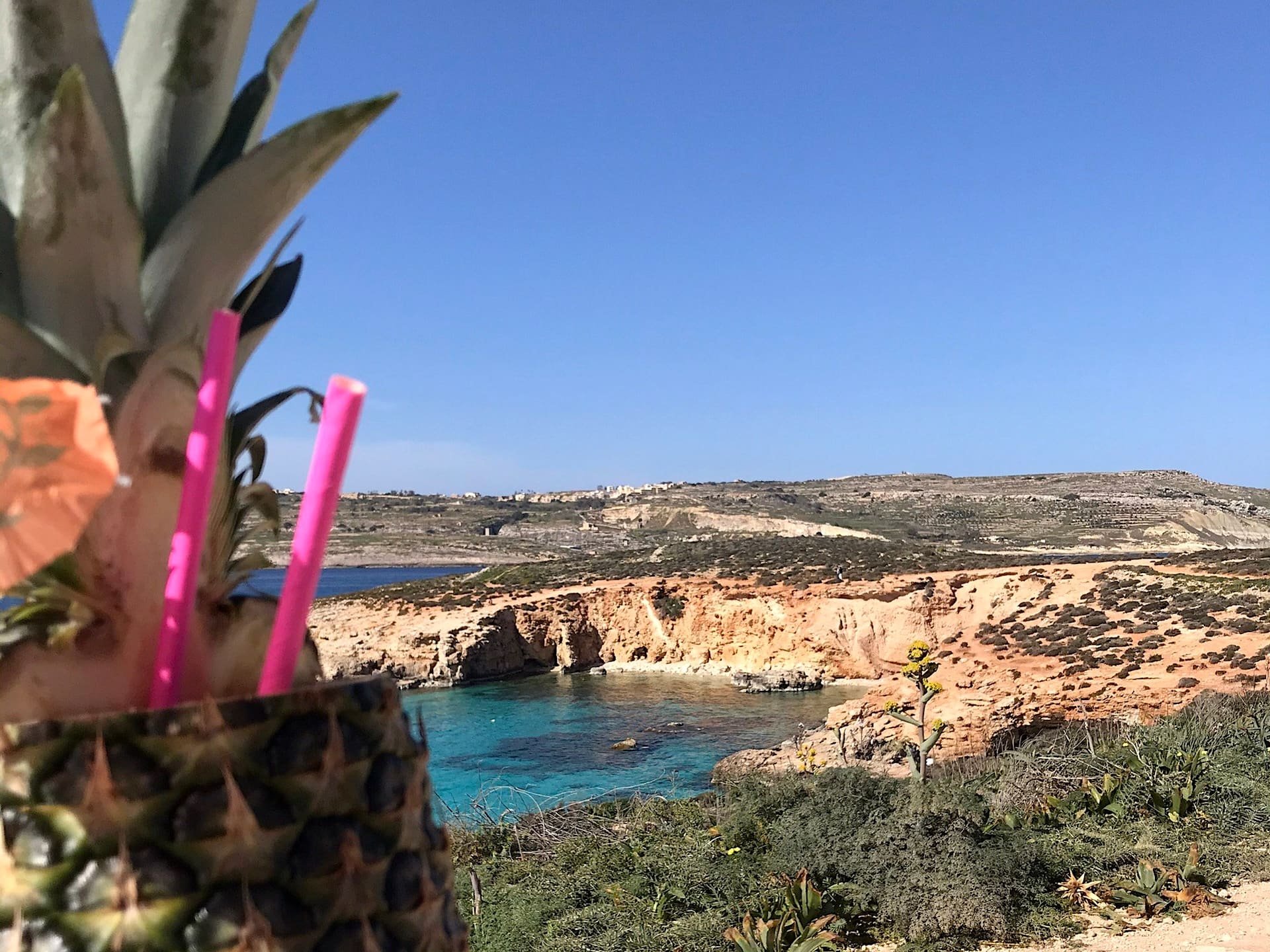
Malta is one of the sunniest destinations in Europe. According to the 1991-2020 climate normals published by NSO Malta (readings from the Met Office at the international airport), the archipelago gets nearly 3,000 hours of sunshine a year, with an average annual temperature of around 19.5°C:
- in winter, January stays mild, with average highs of around 16°C and lows of 10°C;
- in summer, July and August top 31°C during the day and there is almost no rain in July (0.2 mm on average);
- the sea reaches around 25 to 26°C in August and rarely drops below 15°C in winter.
Rainfall (around 84 rainy days a year) is concentrated between October and March, often as short showers followed by sunny spells. So every season has something to offer: summer for the beach and watersports, spring and autumn to combine swimming and sightseeing, winter for cultural sites and hiking at gentler prices. For month-by-month temperatures and live weather, see our page on the weather in Malta.
4. A wide range of activities
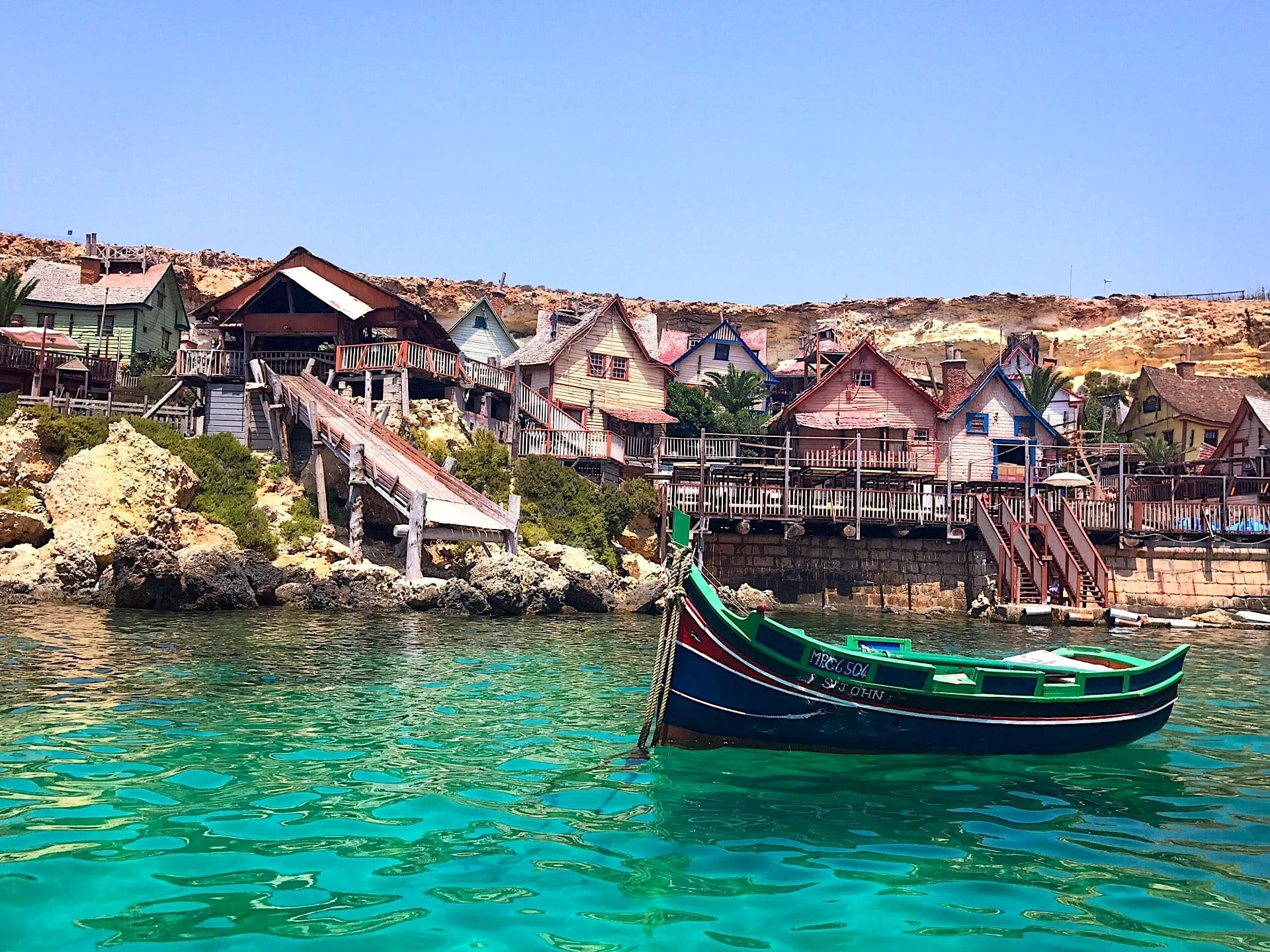
The archipelago’s small size is a real advantage: most sights are less than an hour’s drive from one another, so you can vary your days without wasting time. Our selection of the top 10 activities in Malta and our top 10 must-see attractions will help you choose.
- Sea and watersports: scuba diving among wrecks, kayaking, paddleboarding, cruises to Comino, jet skiing or parasailing.
- Culture: Valletta’s museums, the prehistoric temples and the Manoel Theatre (1731), one of the oldest working theatres in Europe.
- Family fun: the Malta National Aquarium in Qawra and Popeye Village, the set of the film Popeye (1980) turned into a leisure park.
- Nature and thrills: the clifftop paths of Dingli or the north-west coast, and the more rural island of Gozo, to explore by quad or jeep (see things to do in Gozo).
Here are a few activities that sum up the variety the archipelago has to offer:
| Option | Departure point | Price |
|---|---|---|
 | Valletta | 23 € |
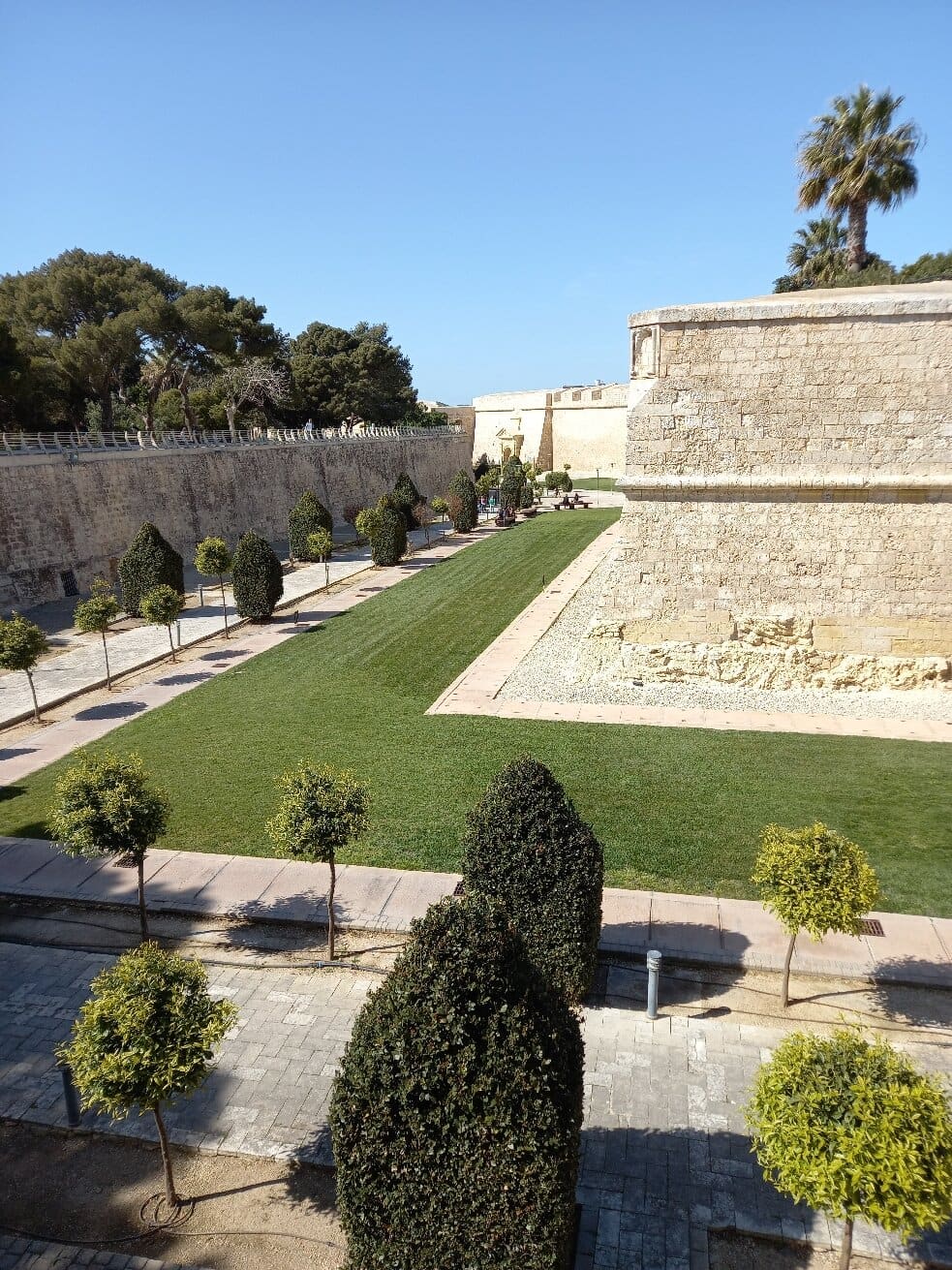 | Mdina | 26 € |
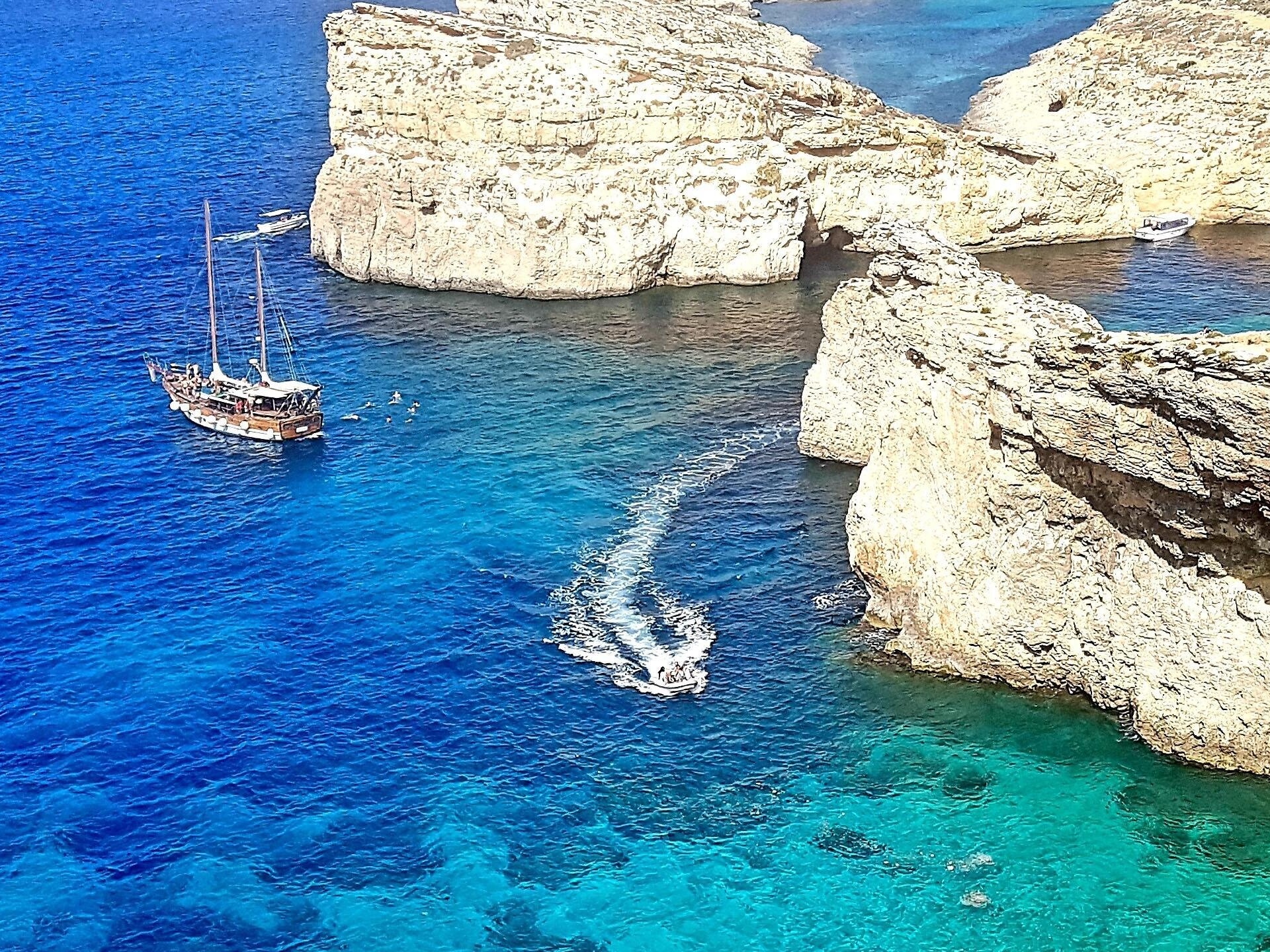 | Mellieħa (Ċirkewwa) | 169 € |
 | Qala | 60 € |
 | Malte | 98 € |
 | Mellieħa | 15 € |
5. Lively festivals and nightlife
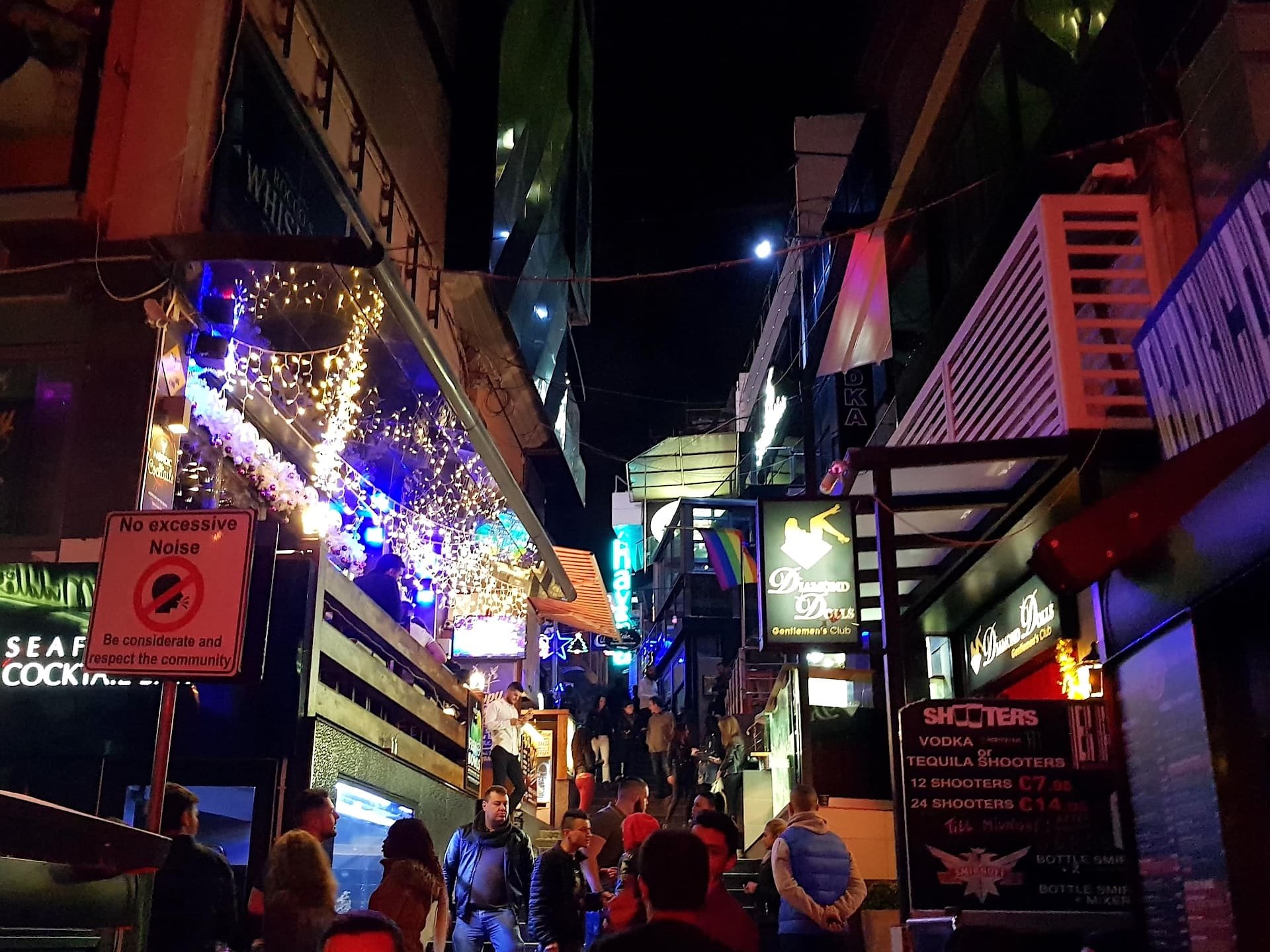
Malta is one of the favourite Mediterranean destinations for 18 to 30-year-olds. The Paceville district, in St Julian’s, is packed with bars and clubs open until the early hours, especially from June to September. For your first night out, the Paceville pub crawl is a fun way to discover the area’s venues as a group.
The partying is not limited to clubs. The calendar is punctuated by popular events, usually at the same time every year:
- Carnival in February, with floats and costumes in Valletta and Nadur (Gozo);
- the Malta International Fireworks Festival in spring, over the Grand Harbour;
- village festas, from June to September: each parish celebrates its patron saint with processions, brass bands and fireworks;
- summer concerts, such as the Malta Jazz Festival in July or Isle of MTV, a free open-air concert in Floriana (headlined by Katy Perry on 22 July 2026);
- Notte Bianca, a cultural night that takes over the streets of Valletta in the autumn.
Religious holidays also shape local life: check the list of public holidays in Malta to find out what will be closed during your stay.
6. Good value for money, especially out of season
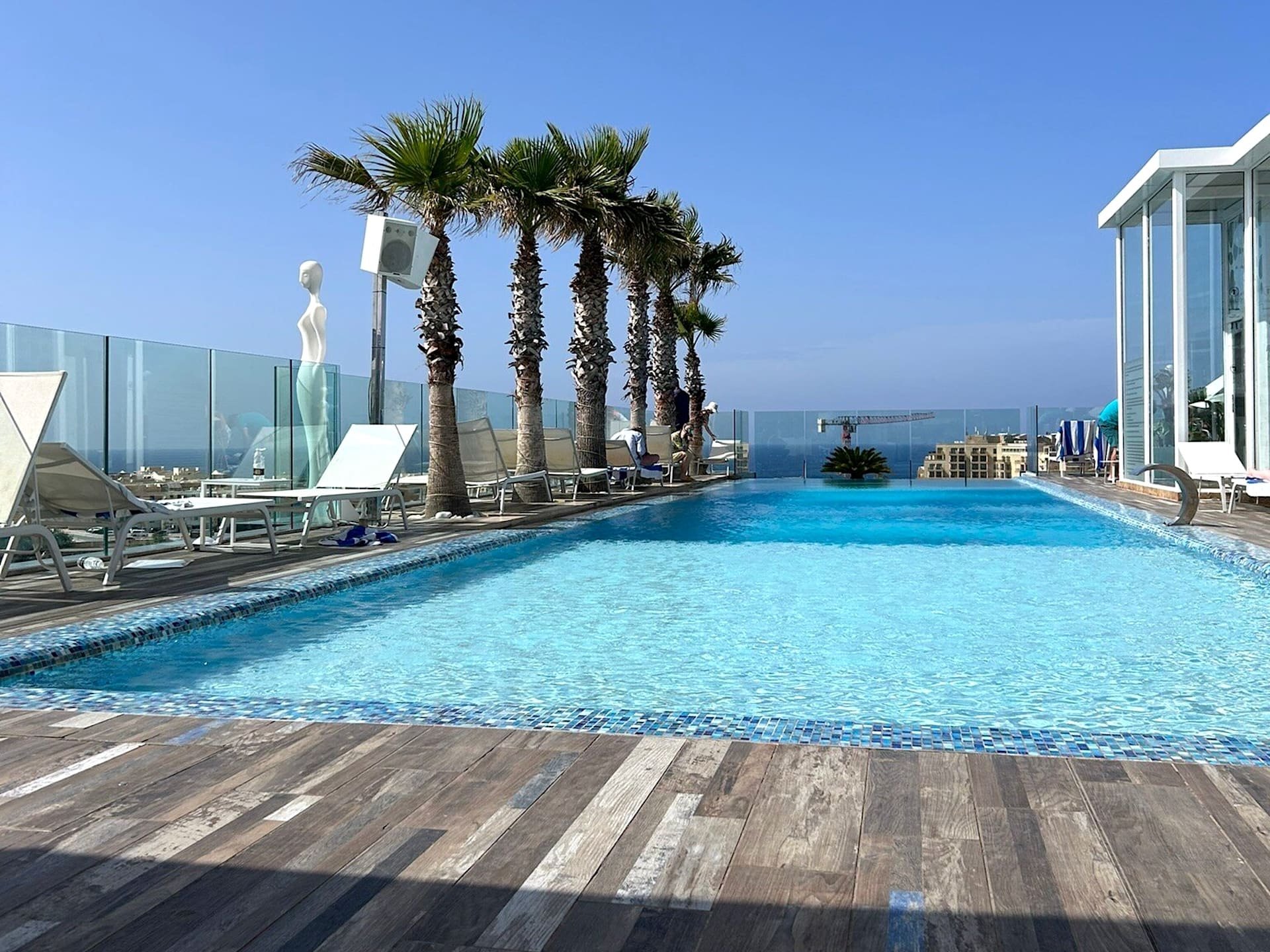
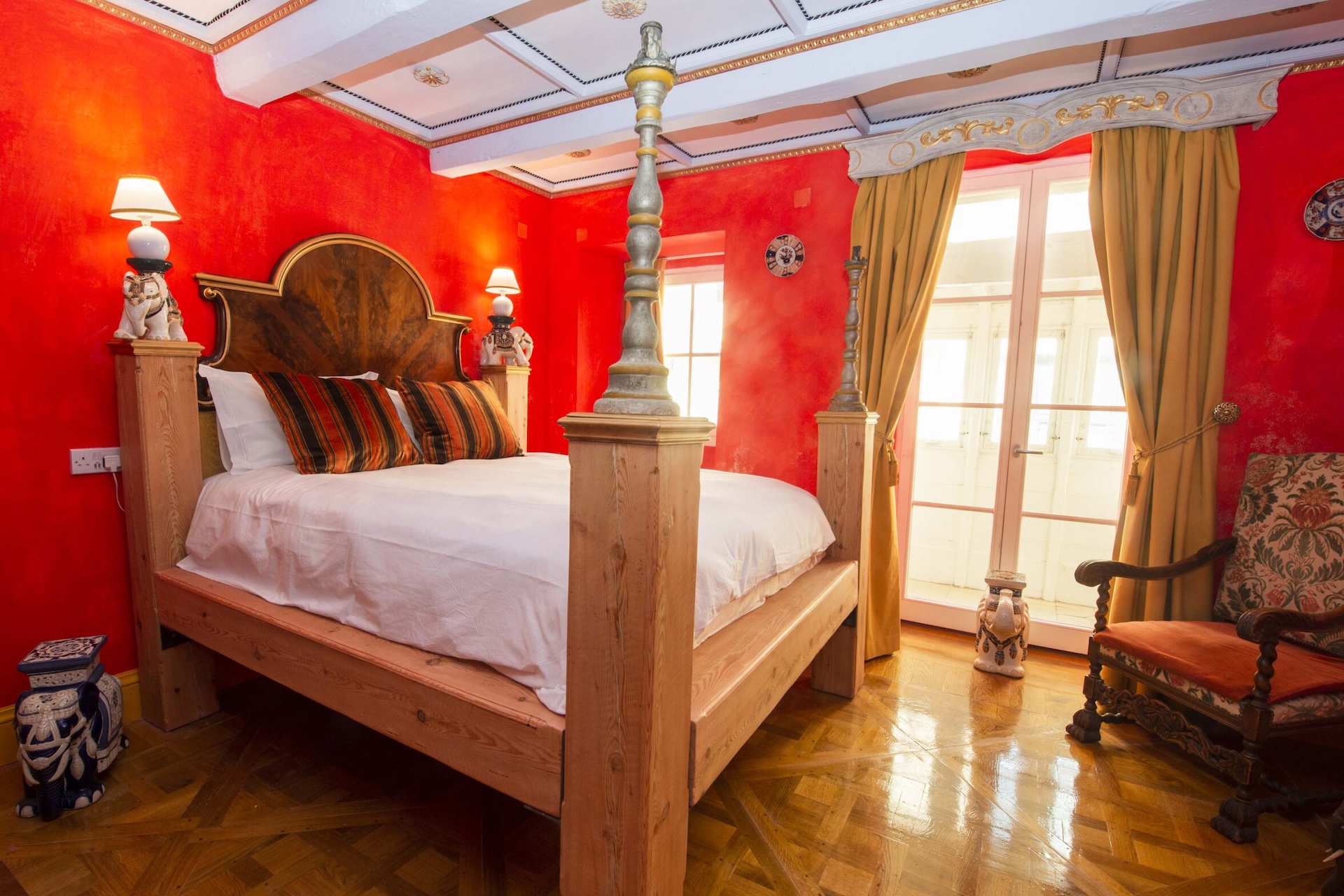
Malta is no longer the budget destination it was twenty years ago, but it is still affordable if you avoid the July and August peak. Accommodation covers every budget, from youth hostels in St Julian’s to luxury hotels in Valletta, and prices drop sharply from November to March, with February usually the cheapest month.
Transport is one of the most economical items. On the official Malta Public Transport network, a ticket bought on board costs €2 in winter and €2.50 in summer, valid for 2 hours including transfers; the Explore card gives you 7 days of unlimited travel for €25. Ride-hailing apps such as Bolt, Uber and eCabs fill the gaps at reasonable prices, and our guide to getting around Malta covers every option.
When it comes to food, street snacks (pastizzi, ftira, timpana) let you eat for a few euros, and the Valletta food tour is a great way to taste local specialities. Finally, plenty of direct flights link Europe with Malta: compare dates on Skyscanner, as fares often vary considerably from one departure day to the next.
7. One of the safest countries in Europe
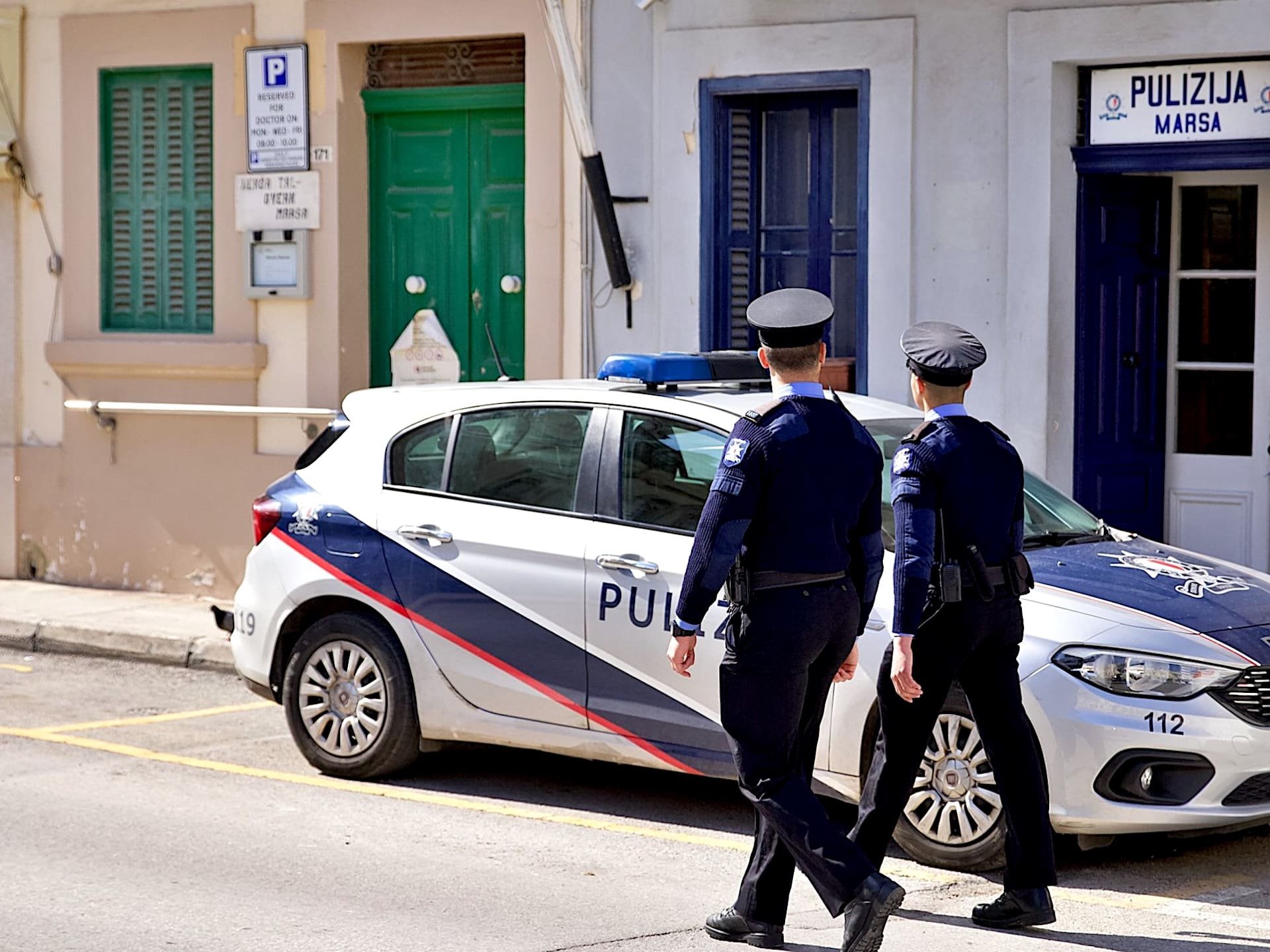
Malta is a place where you can stroll around with peace of mind, including in the evening, in the streets of Valletta as in the villages. In the 2025 edition of the World Justice Project Rule of Law Index, the country ranks 12th out of 143 for order and security, ahead of Germany, Spain, France and Italy. Crime rates, calculated on the resident population alone, are also inevitably inflated by the four million visitors who come each year.
The real risks are mostly everyday ones: driving on the left on narrow, busy roads, keeping an eye on your drinks and belongings in Paceville, sunburn and jellyfish in summer (purple flag on beaches). In an emergency, dial 112; Mater Dei, the public hospital, accepts the European Health Insurance Card (EHIC) and the UK Global Health Insurance Card (GHIC), and English makes every exchange easier. All the details are on our page on safety in Malta.
8. An ideal destination for learning English

English is, alongside Maltese, one of the two official languages of Malta: together with Ireland, it is the only country in the European Union where English has that status. Road signs, menus, public services: everything is in English, which makes travelling easy whatever your level.
It is also one of Europe’s leading destinations for language stays. According to the NSO, more than 76,000 foreign students took courses at the country’s 31 licensed English schools in 2025, mainly from Italy (23%), Germany (10.6%) and France (10.4%). To find out whether it is right for you, read our review of studying English in Malta, then compare the English schools in Malta and our English language stays.
Planning your visit to Malta
How many days do you need?
Allow 4 to 5 days for Valletta, Mdina, the Three Cities and the south of the island (Marsaxlokk, the Blue Grotto, the temples). With a week to ten days, you can comfortably add Gozo, Comino and a few beach days. Our page on Malta’s most iconic towns will help you plan your stops.
When is the best time to go?
The best periods are mid-April to June and September to October: warm enough to swim, bearable heat and fewer crowds than in August. Winter suits cultural sightseeing and smaller budgets.
How do you get there and get around?
Malta International Airport has direct flights to many European cities, including several in the UK and Ireland (roughly 3 hours’ flying time from London). Malta is in the European Union and the Schengen area: EU citizens only need a valid identity card or passport, while UK, US, Canadian and Australian travellers can visit without a visa for up to 90 days in any 180-day period, with a passport issued less than 10 years before arrival and valid for at least 3 months after leaving the Schengen area (see our guide to visas for Malta). Once there, buses and ride-hailing apps cover most visits; hiring a car at the airport gives you more freedom to explore the coast, and the ferry links Ċirkewwa with Gozo in about 25 minutes. Before you go, browse our 11 tips for travelling to Malta and our dos and don’ts for a successful trip.
Frequently asked questions about visiting Malta
Is Malta really worth visiting?
Yes, especially if you like combining history, sea and sunshine in a compact area: three UNESCO sites, some of the clearest water in the Mediterranean and nearly 3,000 hours of sunshine a year, all just a few hours’ flight from the UK and most of Europe.
How many days do you need to visit Malta?
Four to five days are enough for the main island. Allow a week or more to add Gozo and Comino without rushing.
When is the best time to visit Malta?
Mid-April to June and September to October, for a good balance of weather, sea temperature, crowds and prices. July and August are the hottest and most expensive months.
Do I need a passport to travel to Malta?
Yes if you are British, American, Canadian or Australian: you need a valid passport, and visa-free stays are limited to 90 days in any 180-day period. EU citizens can travel with a valid national identity card alone, as Malta is in the European Union and the Schengen area.
Can you visit Malta without a car?
Yes. The bus network serves the whole island, ride-hailing cars are plentiful and ferries link Malta with Gozo and Comino. A car is only useful to explore the coast and villages more freely, bearing in mind that traffic drives on the left.
Is Malta an expensive destination?
It remains affordable outside July and August: cheap public transport, inexpensive street food and much lower accommodation prices from November to March. Book early for summer.
Ancient heritage, crystal-clear coves, near-constant sunshine, festivals, safety and English in everyday life: few destinations combine so many assets just a few hours’ flight away. Whether you come for a long cultural weekend, a week on the beach or a language stay, Malta is easy to explore at your own pace.